ANSA: Most fruits and vegetables on the market are safe; non-compliant lots blocked from consumers
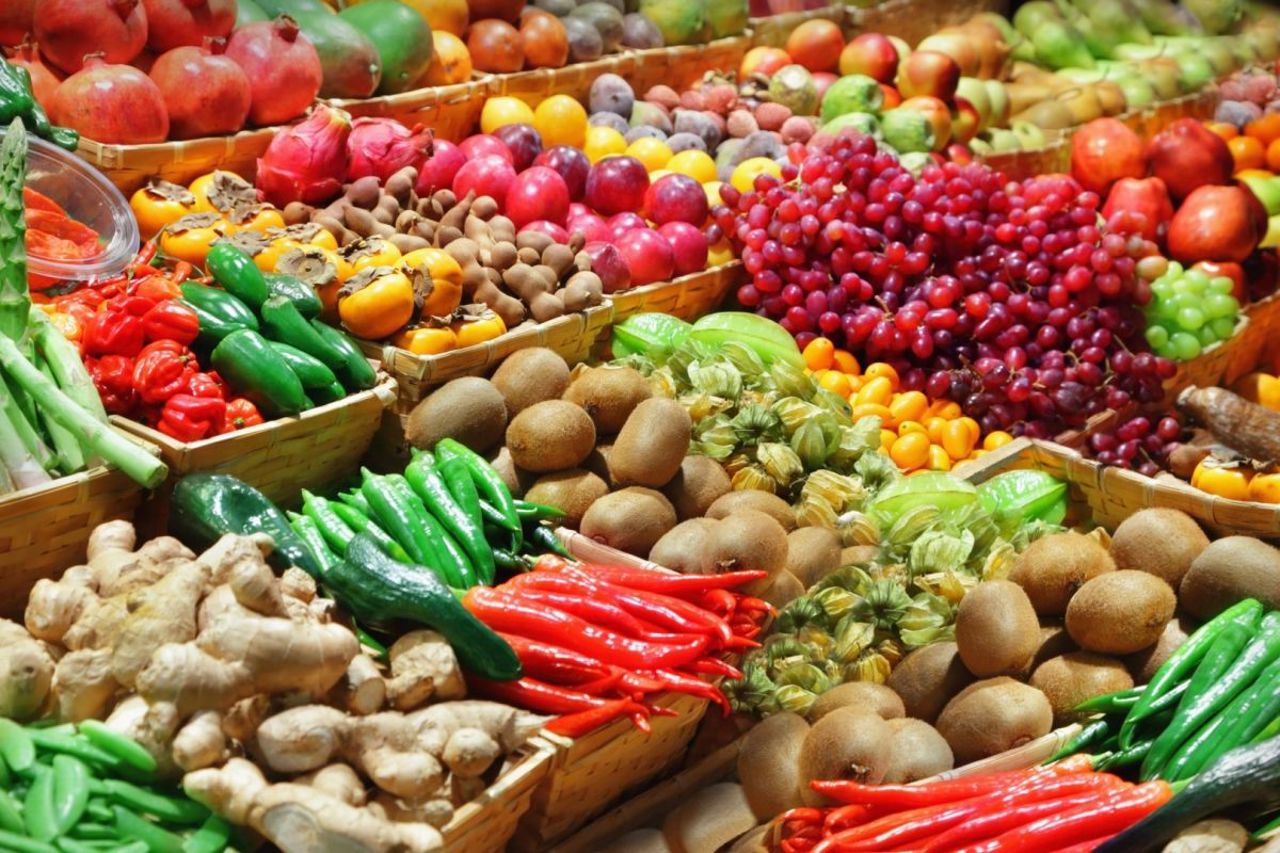
Most fruits and vegetables available in stores and markets in the Republic of Moldova are safe to eat, according to data from the National Food Safety Agency (ANSA). Last year, over 91% of the samples analyzed were found to comply with legal pesticide limits.
The authorities have examined over 2,100 samples, and any products found to exceed the permitted limits were withdrawn or destroyed before reaching store shelves, according to Marina Dintiu, head of the Directorate for the Safety of Non-Animal Origin Food Products within ANSA. She shared this information during the “Zi de ZI” program on Radio Moldova.
Dintiu stated that ANSA has intensified controls, particularly on imported products, where there is a higher risk of exceeding permissible pesticide limits.
“Food products are checked at border inspection posts, and the batches from which samples are taken are not allowed to enter the market until the laboratory test results are received. Thanks to these controls, the agency has successfully prevented the sale of food products with excessive pesticide residues,” Dintiu explained.
If any products are found to exceed permitted limits, ANSA inspectors oversee the entire product recall process. According to Dintiu, the authorities aim to either destroy these products or redirect them for other uses, ensuring that non-compliant items do not reach consumers.
Most of the non-compliance cases detected last year were related to specific batches of imported products, including tea, fresh aromatic herbs such as parsley and dill, pomegranates, and certain batches of bell peppers.
Conversely, checks on organically certified products did not indicate any instances of exceeding allowable limits. Out of 38 samples labeled as ECO or BIO that were analyzed, all complied with regulations and contained no pesticides, Dintiu said.
"For the first time, we sampled ECO and BIO certified products, and we can confidently guarantee that these labeled and certified products meet organic product requirements. In addition to complying with organic standards, no pesticides were detected in these products," Dintiu highlighted.
Dintiu also noted that while small producers can sell products at markets or fairs, these items must be accompanied by documents verifying their quality or laboratory analysis results, as required by market administrations.
Specialists recommend that consumers purchase fruits and vegetables only from authorized retailers, where products undergo sanitary checks and can be verified for quality and food safety. Marina Dintiu added that washing or peeling fruits and vegetables may reduce pesticide residues to some extent, but its effectiveness is limited. Residues can not only remain on the surface but can also penetrate the products. Therefore, regulatory oversight and ensuring the safe provenance of products are essential for protecting consumer health.