Energy resilience: Moldova aligns with EU standards through new strategic oil storage law
The Republic of Moldova is set to establish its first-ever strategic fuel reserves, a landmark move aimed at insulating the national economy from regional supply shocks and geopolitical volatility.
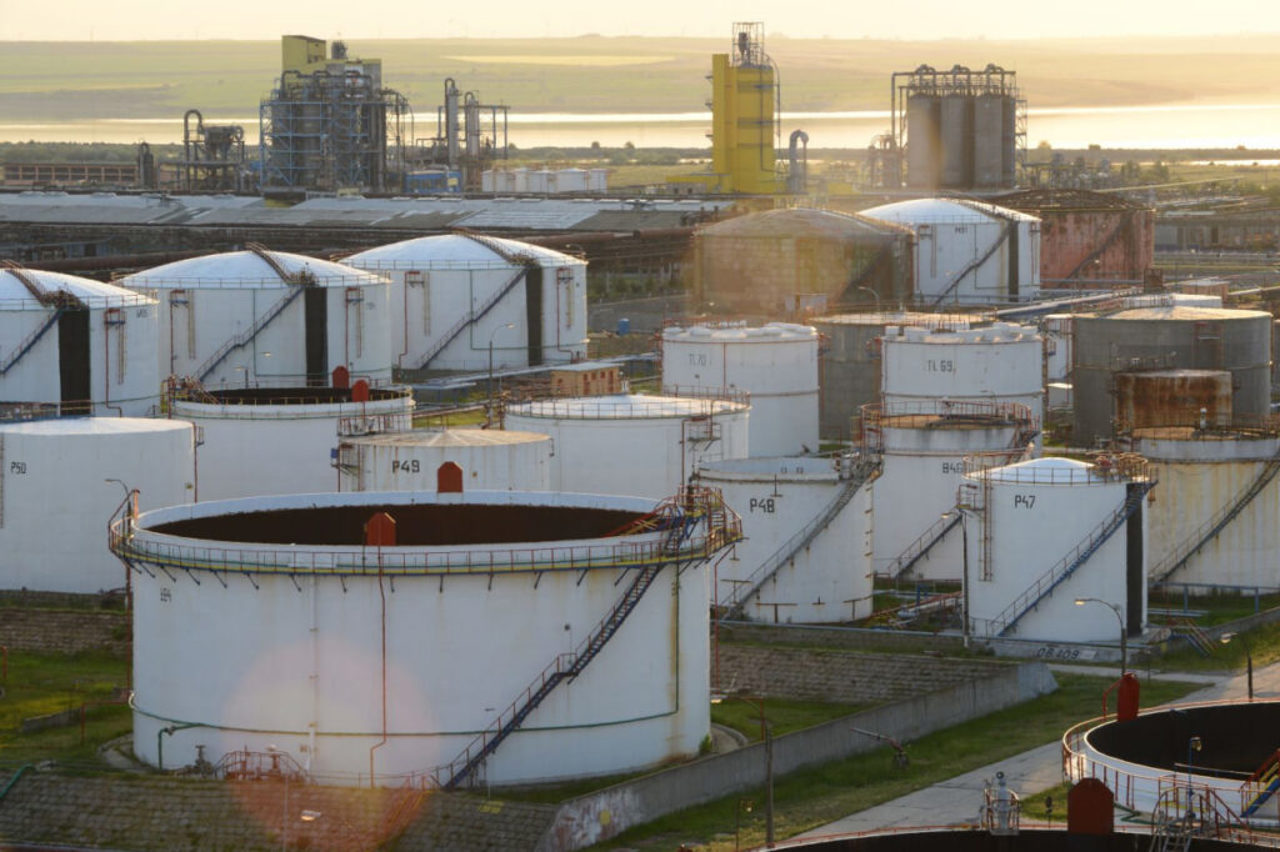
A draft law recently reviewed by the Government mandates the creation of emergency stocks totaling approximately 180,000 to 200,000 tonnes of petroleum products. This volume is designed to cover 61 days of internal consumption, ensuring stability in the event of major import disruptions.
Institutional framework and funding
To manage these assets, the government will launch the Central Storage Entity (CSE). Operating as an autonomous, non-profit public institution, the CSE will oversee the procurement, quality monitoring, and renewal of the national fuel stockpile.
The project carries an estimated annual cost of €27 million (approx. 528 million MDL). Funding will be secured through a dedicated "security contribution" integrated into the retail price of fuel, estimated at roughly €0.02 (0.48 MDL) per liter starting in 2026.
Strategic flexibility and EU alignment
Reflecting the country's current logistical constraints, the law allows for a portion of these reserves to be stored abroad if domestic commercial terms are unfavorable. This provision prevents local storage monopolies from dictating costs to the state.
Major private fuel importers will also share the responsibility. These "storage obligation holders" must maintain stocks proportional to their market share, further diversifying the country's risk profile.
A decade-long commitment
This legislative push fulfills a commitment made by Moldova in 2010 upon joining the Energy Community. By transposing EU Directive 2009/119/EC, Chisinau is moving beyond reactive crisis management toward a standardized European security model.
The draft law is currently moving toward public consultations, with the full mechanism expected to be operational by the beginning of 2026.
Translation by Iurie Tataru