Moldova exports 70% raw agri-food materials and only 30% processed products
In 2025, Moldova's agri-food exports rebounded, increasing by 13.8% after three consecutive years of declining agricultural production. However, economic expert Veaceslav Ioniță highlights a significant issue: the rise in exports is largely due to an increase in shipments of raw materials rather than processed food products.
“The situation is a mix of joy and concern. After three years, we have seen a positive change, with an increase in agricultural production of 13.8%,” said Ioniță.
The last quarter of 2025 marked a turning point in agri-food trade. Following a challenging second quarter, during which exports totalled only $296 million, a strong recovery occurred in the fourth quarter.
“We achieved the highest export volume in a single quarter in our history: $635 million,” Ioniță emphasized.
Total exports reached $1.838 billion, falling short of the historical high of $2.15 billion.
Products that boosted exports
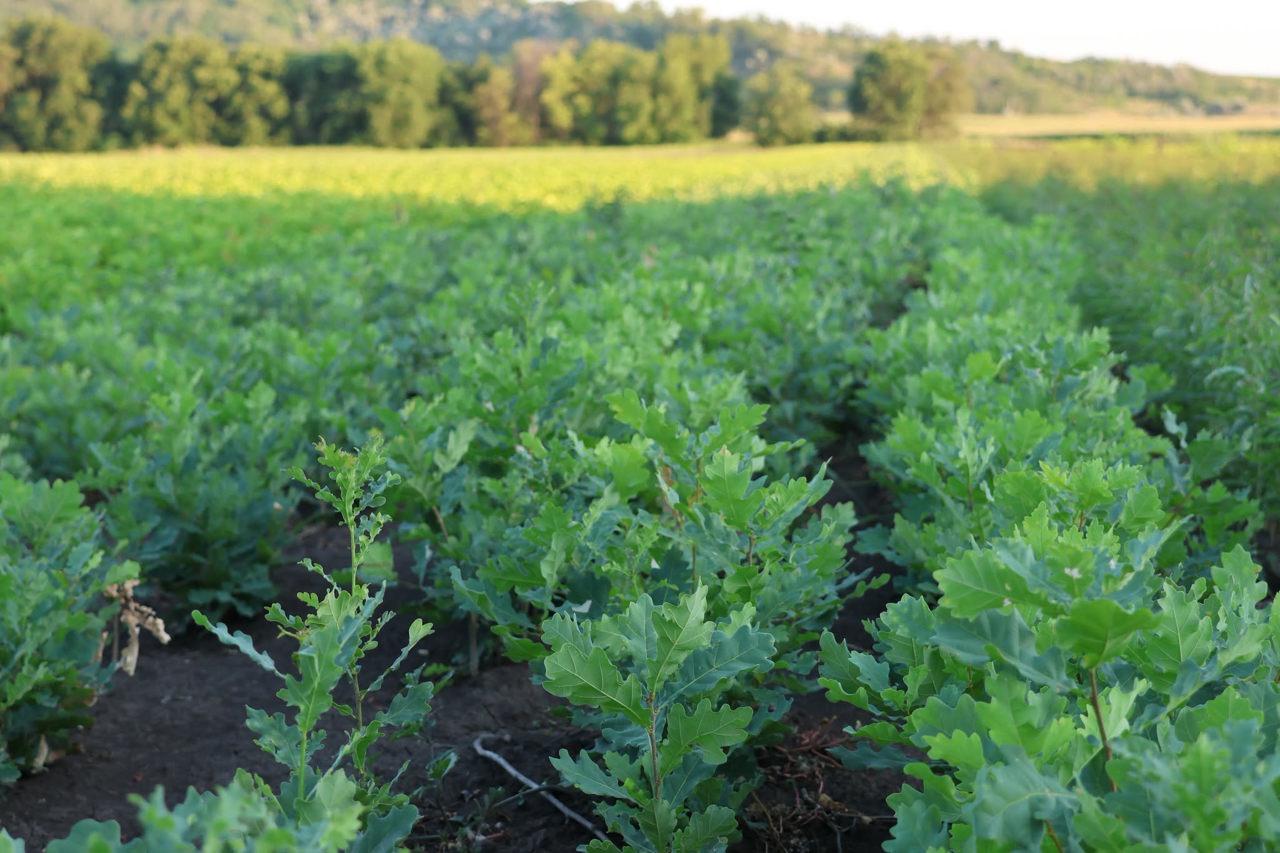
The growth in exports was primarily driven by oilseeds, particularly sunflower and rapeseed.
"Approximately $226 million came from oilseeds," Ioniță explained.
According to the expert, the fruit and nut sector continued to develop, benefiting from the extended trade facilities provided by the European Union, which resulted in a $39 million increase in exports.
In contrast, vegetable and fruit preparations, cereals, and alcoholic beverages saw significant declines, including a $16 million drop in vermouth previously exported to the United States.
Raw materials versus processed products
Ioniță expressed concern about the structure of exports.
"We are increasingly exporting raw materials, while exports of processed food products are decreasing. In the 1990s, approximately 70% of our exports were food products; today, the situation is the opposite: 70% are raw materials and only 30% are food products," the expert noted.
In 2025, the export of raw materials increased by $250 million, while the export of processed products decreased by the same amount. Ioniță highlighted the importance of developing the livestock sector and the processing industry.
“If you have raw materials, you send them to livestock, then to processing, and only then to export. This value chain allows you to increase the number of employees, turnover, and budget revenues three to four times,” Veaceslav Ioniță pointed out.
Agriculture: Pillar of competitiveness
Despite the challenges, agriculture remains a vital sector for the Republic of Moldova, accounting for nearly 50% of the country's exports.
“It is practically the only sector in which the Republic of Moldova continues to be competitive in international markets,” Ioniță concluded.
The expert also reiterated the need to transform exports from raw materials into value-added products to sustain the country's value chain and stimulate the national economy.