Oil market tensions favor Russia. Deliveries from shadow fleet tankers
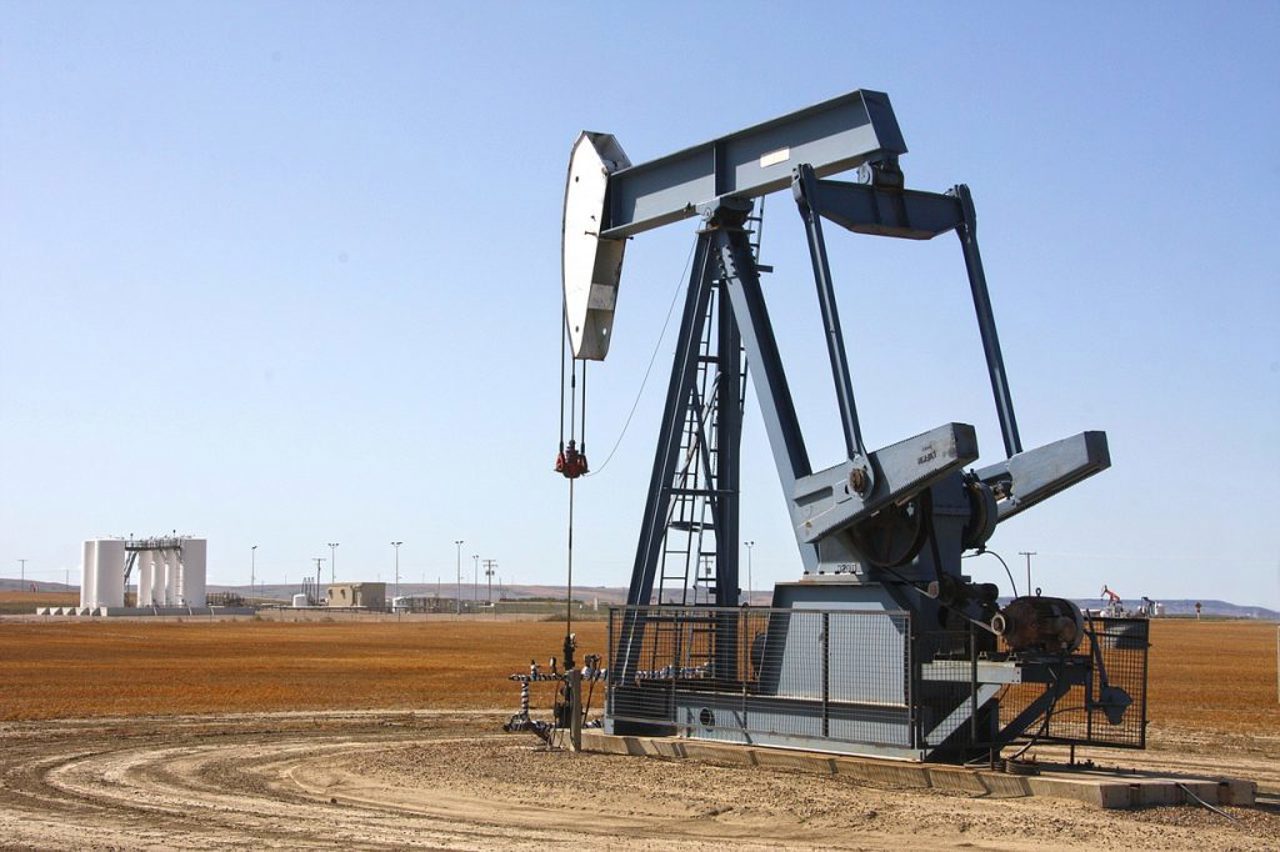
Russia benefits from keeping oil prices high. The longer uncertainty lasts on the international market, the greater the gains for Moscow, says Romanian commentator Sorin Ioniță, president of Expert Forum Bucharest.
The price of oil again rose above 100 dollars per barrel on Friday, March 13. The expert told Radio Moldova's “Zi de Zi” program that this situation benefits Russia.
“Russia still manages to export. More recently, it even received some waivers from Donald Trump to release certain quantities it holds on shadow-fleet tankers onto the market. The United States sees this as a temporary step to ease market tensions,” the commentator said.
Sorin Ioniță explained that the oil market is complex and involves many players. Given the regional conflict, Tehran's threats to block the Strait of Hormuz, through which one fifth of the world's oil passes, were somewhat predictable.
“These fluctuations are temporary, but we do not know how long they will last. They will continue as long as President Trump chooses to keep pressuring Iran for failing to negotiate honestly on nuclear disarmament. Eventually the situation will stabilize. However, as often happens during periods of panic, the market looks forward, not backward. Those who hold oil or fuel stocks keep them or sell them at higher prices. This always happens,” the expert stressed.
The Bucharest based commentator added that several countries have tried to stabilize prices, including by setting caps, but such measures remain only temporary fixes and cannot last long. In Romania, officials discuss extending diesel compensation for transport companies and farmers.
“In my view, no real solution exists. All measures act as temporary fixes. Engaging in such a market is akin to investing in an endless cycle. In fact, I heard the Romanian energy minister say yesterday that fuel sales during the past week tripled compared with a normal period. Clearly people rushed to build reserves, expecting further price increases,” said the president of Expert Forum Bucharest.
In Chișinău, authorities also attribute diesel shortages at some fuel stations to higher demand. They assure the public that national stocks remain sufficient and that imports continue normally. According to data from the Customs Service, imports have even increased recently.
Vitalie Mîța, state secretary at the Ministry of Energy, said on the program “Zi de Zi” that supply flows remain stable. Daily analyses show no current risks to fuel supply routes.
“Some farmers tried to build reserves before prices rise. This created disruptions in diesel deliveries and some stations ran out of stock. At the same time, price caps forced several stations to close permanently. Authorities introduced the cap to protect consumers from sudden price spikes. Because the cap fell below limits acceptable to some operators, they chose to suspend activity. We know about this trend. We urge residents and businesses that need fuel to look for stations that still have supplies, because they exist,” the state secretary said.
Vitalie Mîța also noted that price fluctuations remain temporary and urged the public to use fuel rationally, a solution that has proven effective during previous crises.
According to the Ministry of Energy, on March 12, 219 tons of gasoline and 2,083 tons of diesel entered the country through the Giurgiulești International Free Port. Through the Leușeni and Ungheni land customs points, authorities imported another 865 tons of gasoline and 1,560 tons of diesel.
Fuel stocks currently cover 22 days of gasoline consumption, 11 days of diesel consumption, and 12 days of LPG consumption.
For the first time since 2022, during the crisis triggered by Russia’s war in Ukraine, diesel prices have exceeded gasoline prices. Over the weekend of March 14 and 15, one liter of diesel will cost 26.24 lei, 0.77 lei more than on March 13, according to price caps set by the National Energy Regulatory Agency. Gasoline will cost 26.22 lei per liter, an increase of 0.42 lei.