Russian strike on Ukrainian power plant triggers environmental emergency in Moldova
Moldovan authorities have expanded emergency protection measures following a significant oil spill on the Dniester River. The National Crisis Management Center (NCMC) has ordered the temporary suspension of water services in several northern districts and a total ban on fishing along a key sector of the river.
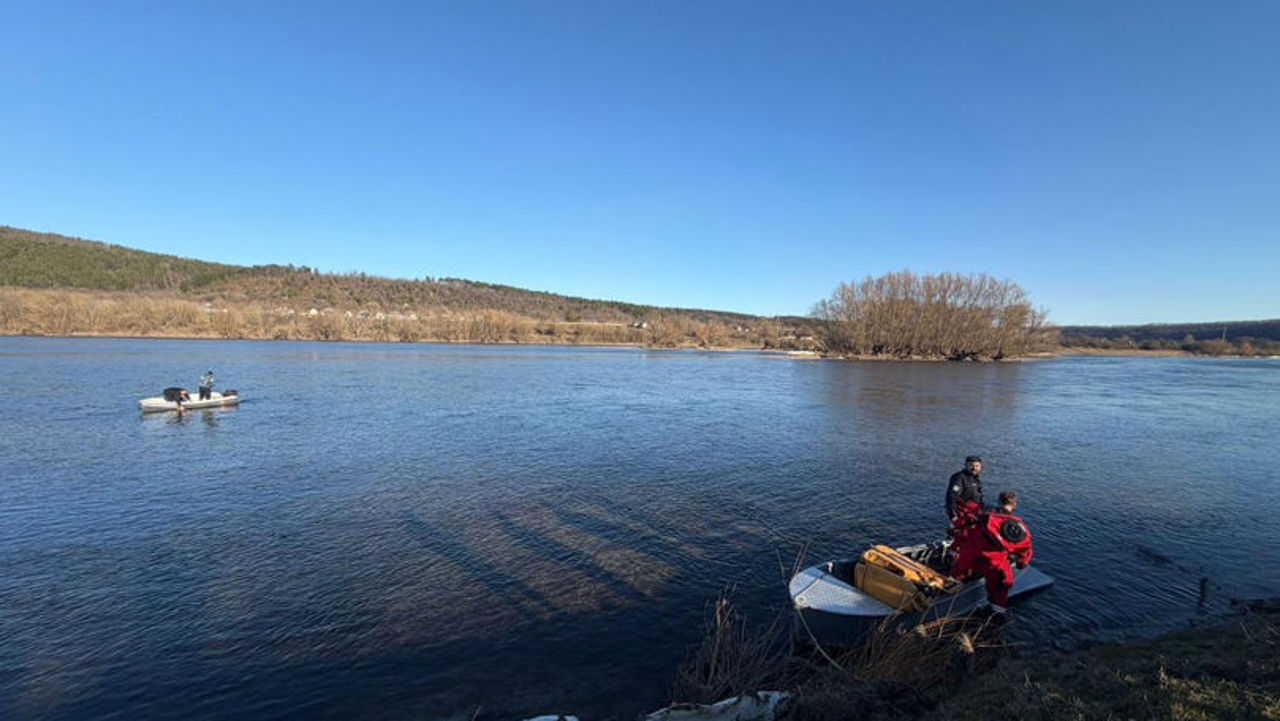
As of March 14, water supply was halted in Naslavcea and the districts of Soroca, Balti, Floresti, and Sangerei. Authorities describe the move as a precautionary measure until water quality tests can confirm the safety of the supply, as petroleum pollutants continue to migrate downstream.
The environmental crisis was triggered on March 10, when massive oil slicks were detected near Naslavcea following a Russian drone attack on the Novodnestrovsk hydroelectric plant in Ukraine. While initial estimates suggested 1.5 tonnes of fuel entered the water, Environment Minister Gheorghe Hajder warned that the actual volume could be significantly higher.
Emergency response and containment
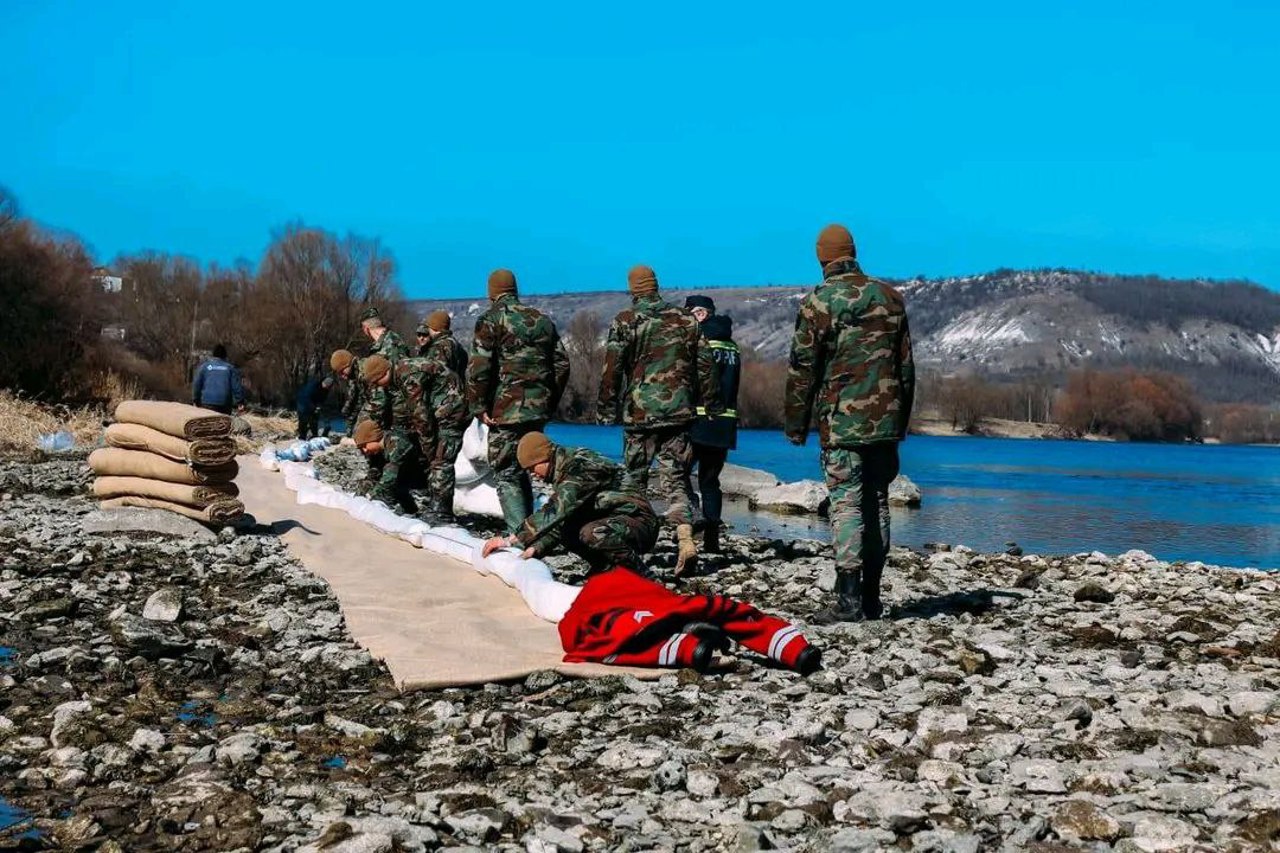
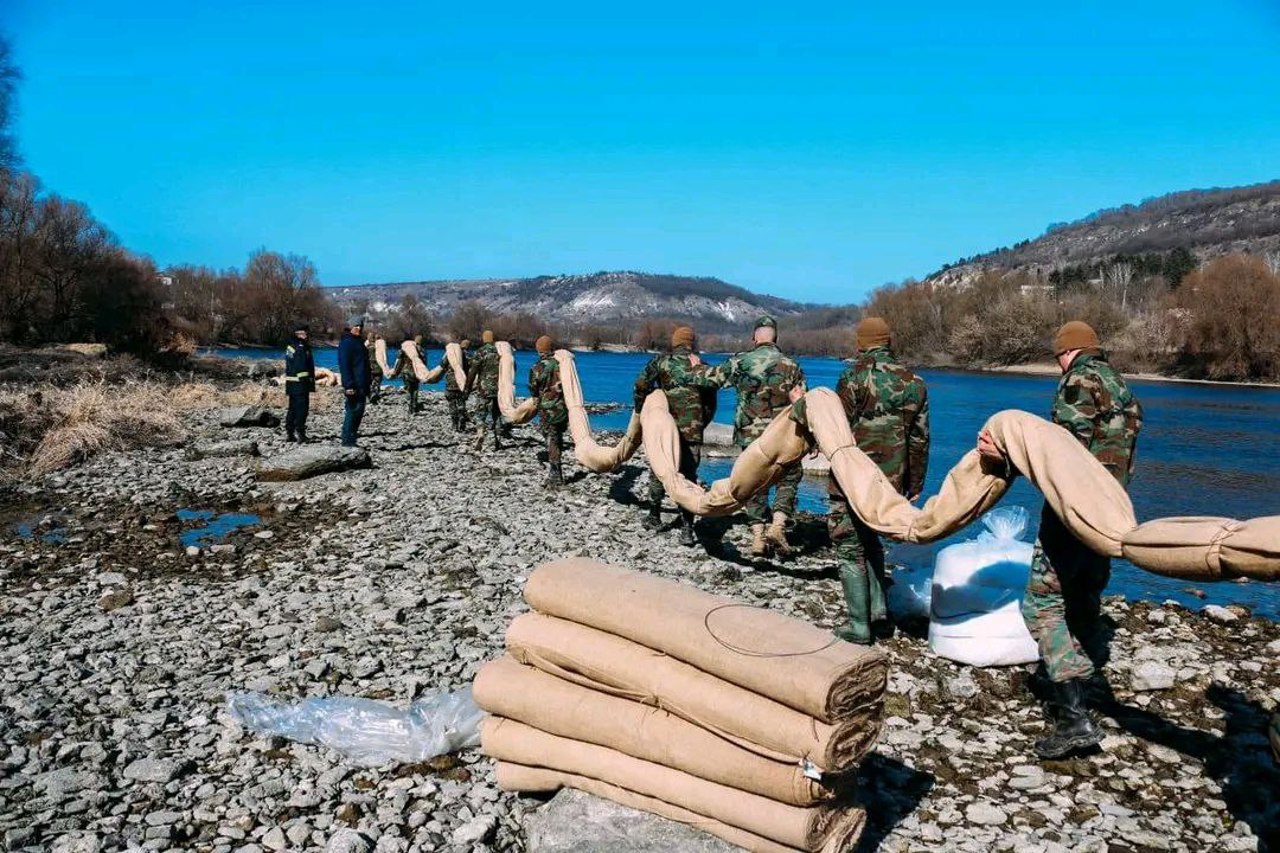
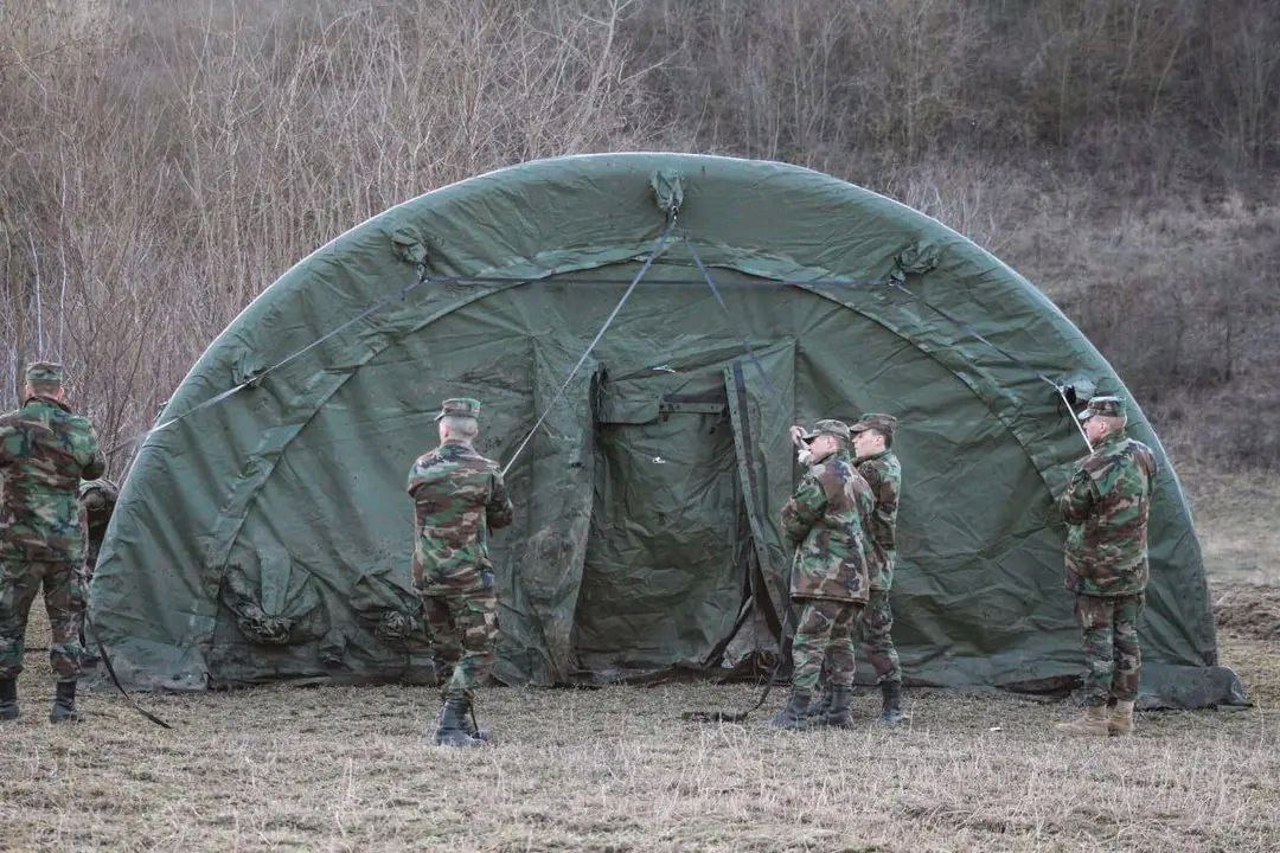
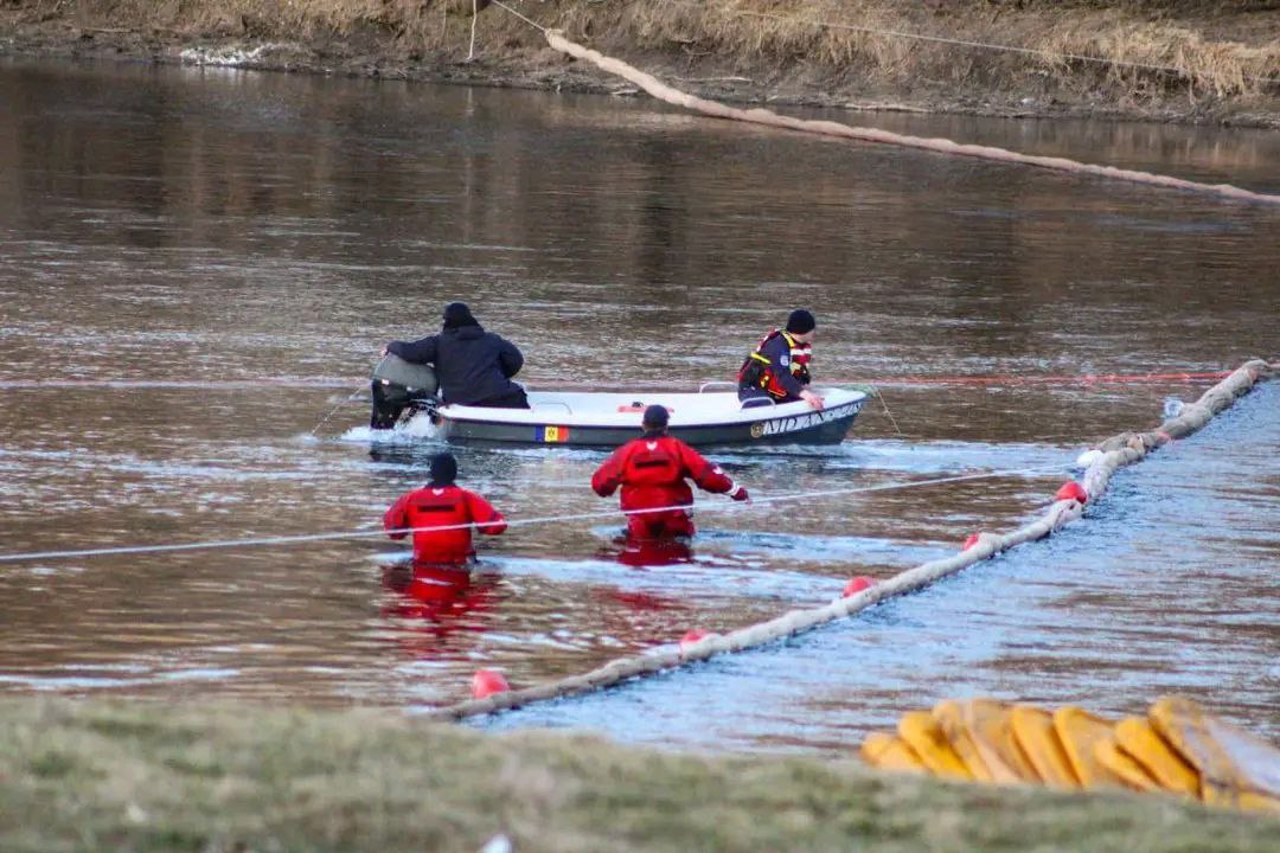
Military teams from the "Moldova" Motorized Infantry Brigade have joined the General Inspectorate for Emergency Situations (IGSU) to deploy absorbent booms and filtration units near the village of Unguri. At the Cosauti intake station, which supplies major urban centers, specialized absorbent materials are being used to neutralize surface pollutants.
A temporary ban on recreational and sport fishing is now in effect between Naslavcea and the Dubasari reservoir. This restriction will remain in place until April 1, 2026, to protect the river's ecosystem from the toxic impact of the spill.
Guidance for residents
Public water operators have been instructed to prioritize critical institutions, including hospitals and schools, using alternative water sources. Residents in affected areas are strongly advised to use only bottled water or safe, verified sources for drinking and cooking.
The Ministry of Environment confirmed that the source of the leak in Ukraine may still be active. Moldova has formally requested detailed information from Ukrainian authorities regarding the scale of the incident while receiving technical assistance and absorbent materials from neighboring Romania to contain the slick.
Translation by Iurie Tataru