Bratislava ends standoff over Alisher Usmanov and Mikhail Fridman sanctions
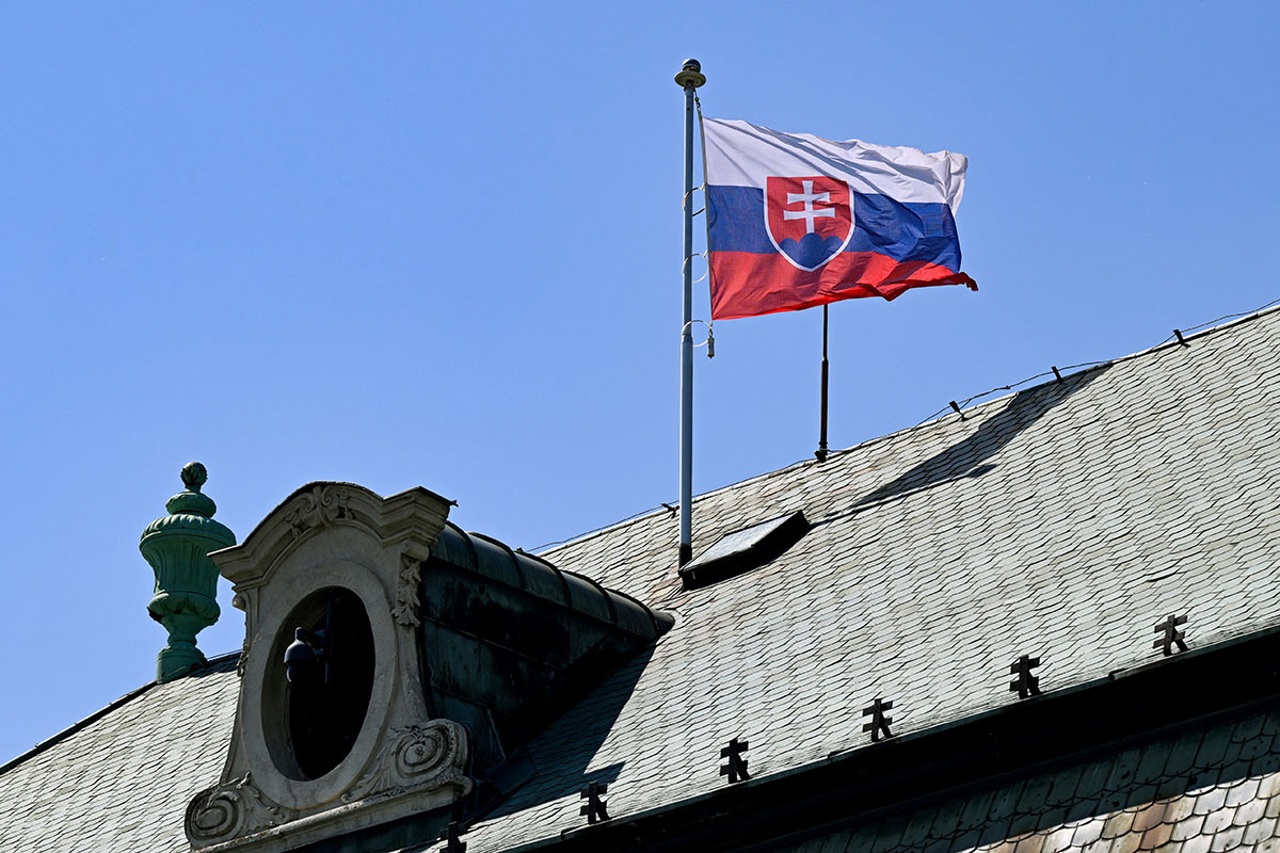
Slovakia has abandoned its last-minute opposition to the renewal of European Union sanctions against approximately 2,500 Russian oligarchs and entities. Diplomatic sources confirmed the shift on Saturday, March 14, narrowly averting a legal vacuum.
The EU has since launched the formal written procedure to finalize the renewal. The decision comes just 24 hours before the existing measures were set to expire on Sunday.
The terms of the standoff
Individual sanctions imposed following the February 2022 invasion of Ukraine require unanimous approval from all 27 member states every six months. Bratislava had previously threatened to block the entire package unless two specific names were removed from the list.
The targets of Slovakia’s intervention were Russian billionaire Alisher Usmanov and Mikhail Fridman, a co-founder of the Alfa Group. However, Slovak officials ultimately withdrew these demands, allowing the diplomatic process to move forward.
Broader regional tensions
Hungary and Slovakia, often identified as Kremlin-aligned voices within the bloc, have frequently utilized the renewal process to seek concessions. Despite the recurring threats, consensus has historically been reached in the final hours of negotiations.
The current sanctions regime targets approximately 2,500 individuals and entities, including President Vladimir Putin. These measures involve asset freezes across the EU and strict travel bans within member territories.
Persistent roadblocks
While the individual sanctions are secure, Hungary continues to block a separate €90 billion loan package intended for Ukraine. Budapest maintains this position pending the resumption of Russian oil deliveries through regional pipelines.
Furthermore, Hungary remains an obstacle to the adoption of new economic sanctions against Moscow. These ongoing delays highlight the continued use of national vetoes to influence broader EU foreign policy objectives.
Translation by Iurie Tataru