Urban paralysis: The legislative deadlock over Chisinau’s abandoned fleet
Abandoned vehicles with rusted chassis and flat tires have become a permanent fixture in Chisinau’s courtyards. These derelict cars occupy critical parking spaces for years, prompting residents to demand immediate removal by municipal authorities.
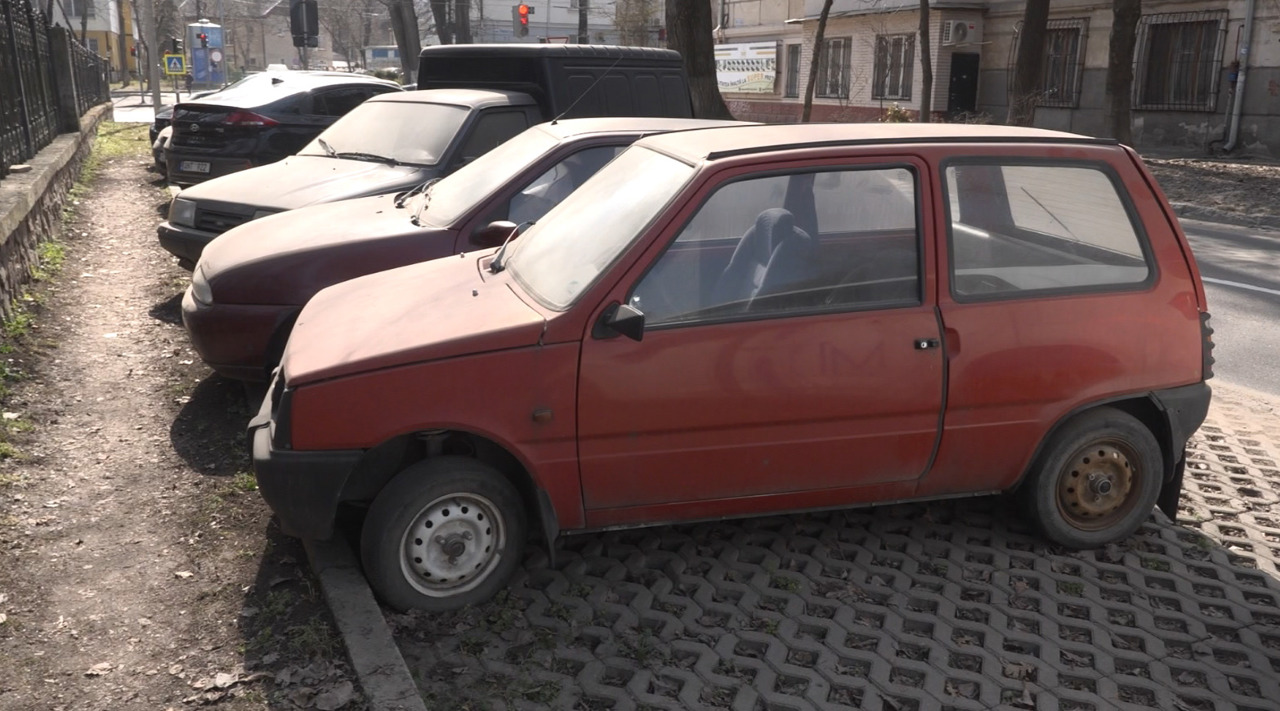
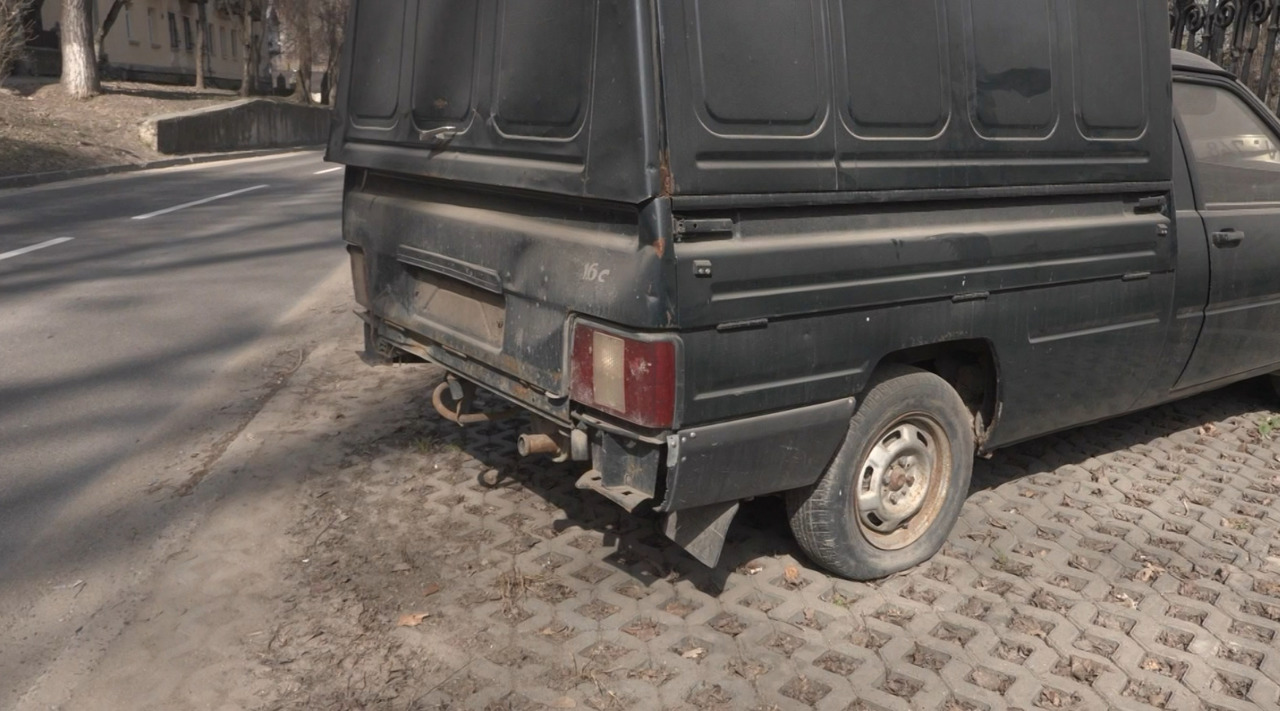
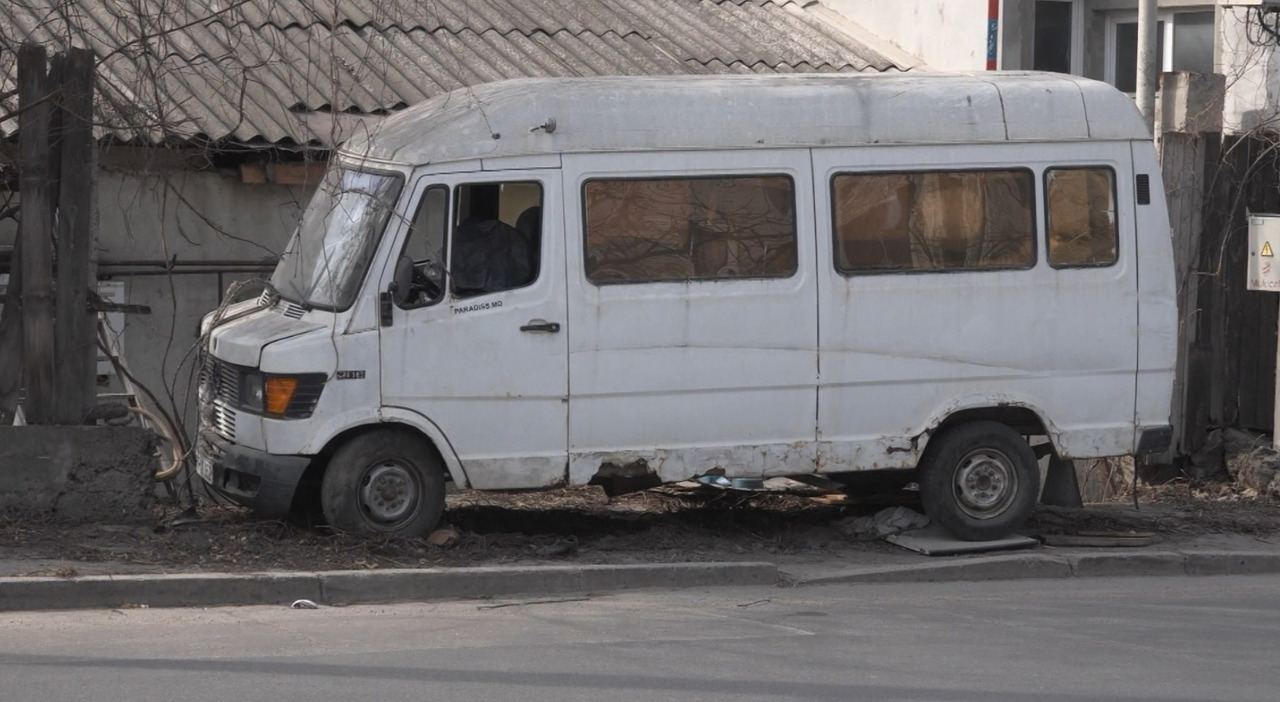
The crisis is particularly visible in the Buiucani district, specifically on Eugen Coca Street. Here, abandoned vans and cars feature shattered doors and layers of dust, indicating they have not been moved for a decade.
The public outcry
"These vehicles are nothing but scrap metal," one resident noted. Many locals argue that any car stationary for over three years should be towed and recycled to free up public infrastructure.
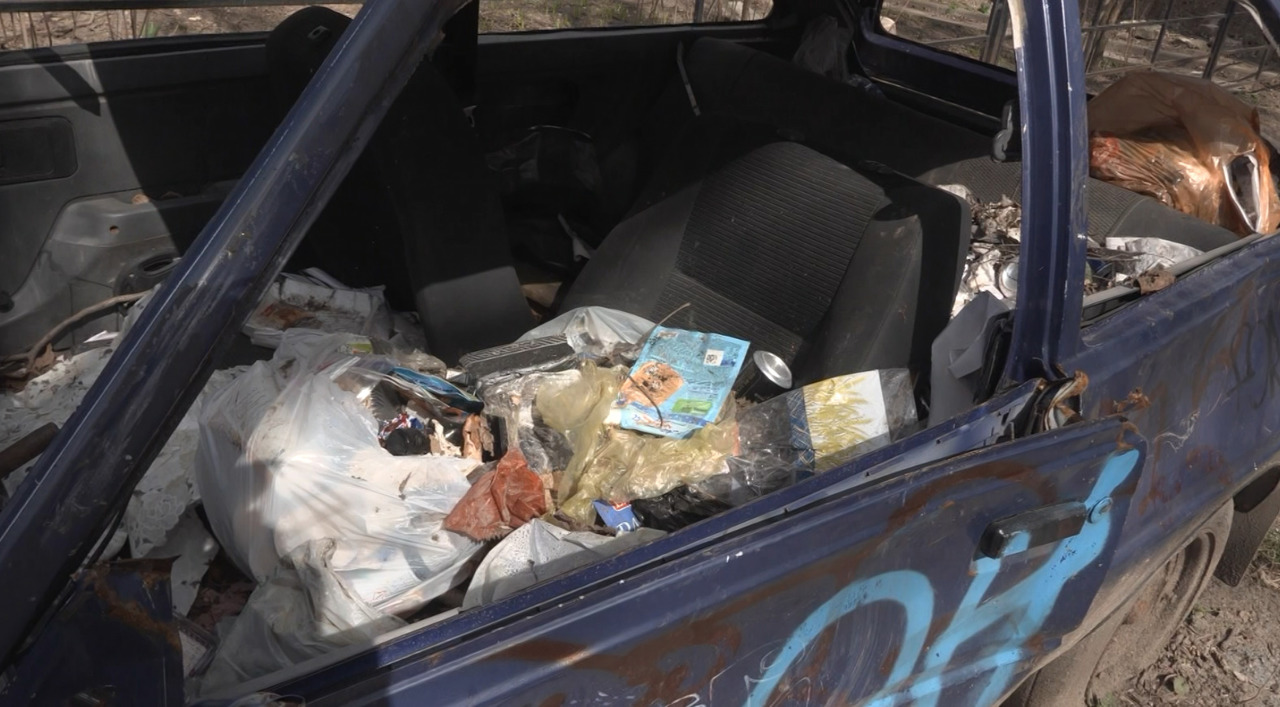
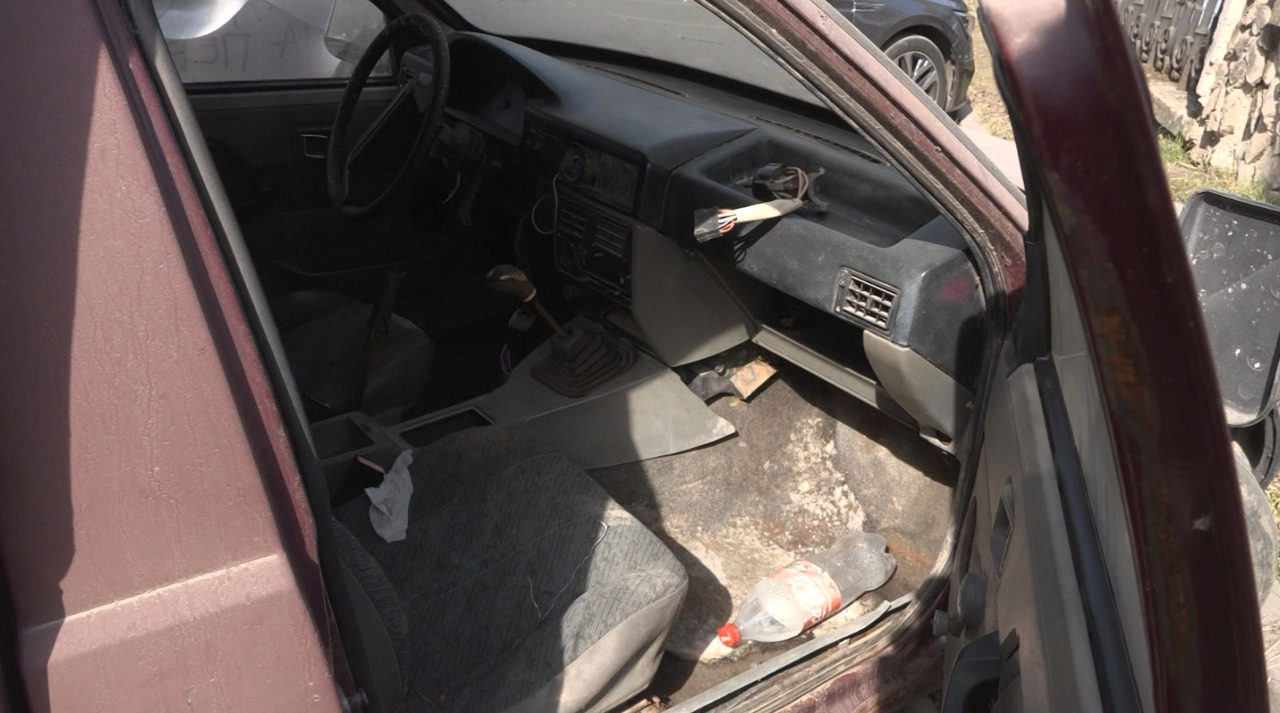
The issue extends to the Centru district, where abandoned vehicles have degraded further. Some have been turned into makeshift garbage depots, while others serve as impromptu shelters for the displaced.
A jurisdictional deadlock
Current Moldovan legislation lacks a clear definition of "abandoned vehicle," leaving a vacuum of responsibility. Police can only intervene if a car is parked illegally, while the Municipality claims it lacks the legal standing to seize private property from public land.
Chisinau Mayor Ion Ceban addressed the stalemate, noting that the solution lies with the national Parliament. He emphasized that the city needs a simplified legal framework to evacuate these vehicles without facing protracted legal consequences.
Legislative vacuum
Currently, there is no centralized database of abandoned cars in the capital. Without a regulation specifying the timeframe for "abandonment" and a clear evacuation procedure, the city's streets remain cluttered with decaying steel.
Translation by Iurie Tataru