IGSU and Army deliver 92.9 tons of water to northern Moldova
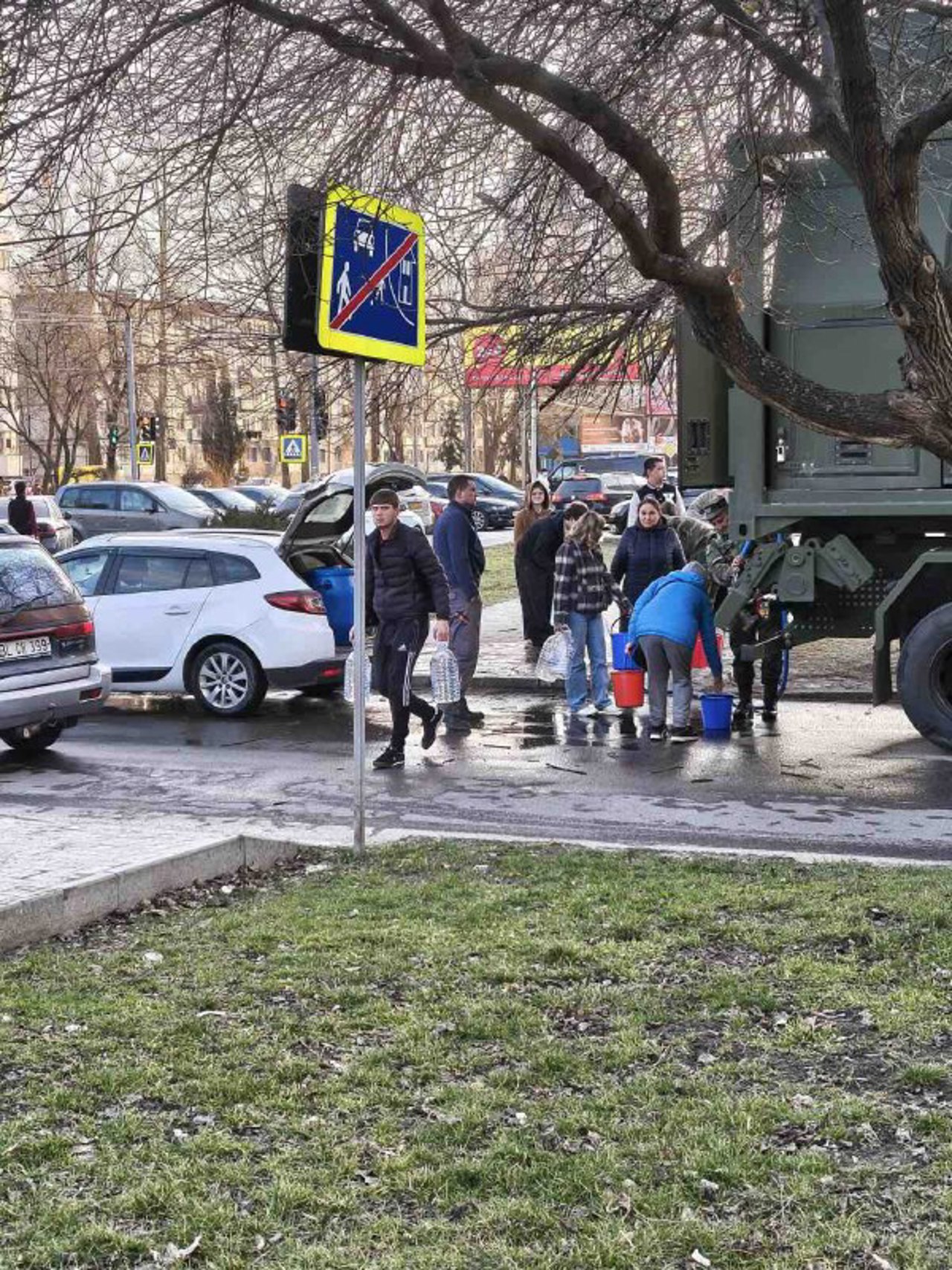
After the water supply was cut off in several areas in northern Moldova due to pollution of the Nistru River with petroleum products, authorities transported 92.9 tons of water over the past day to various localities in the north and center of the republic.
The National Crisis Management Center (CNMC) reported that special vehicles from the General Inspectorate for Emergencies (IGSU) were deployed to Bălți, Dondușeni, Râșcani, and Ungheni, delivering 32.9 tons of technical water in response to requests from local public authorities.
Additionally, the National Army transported 28.6 tons of drinking water and 31.4 tons of technical water using 15 units of equipment to support supply efforts in northern and central regions of the country.
“In the coming hours, through a coordinated effort involving the Material Reserves Agency, the National Army, the General Inspectorate for Emergencies, the General Inspectorate of Carabinieri, and the General Inspectorate of Police, several tankers will be dispatched to the north of the country, particularly to the municipality of Bălți,” the CNMC stated.
According to the same source, water distribution is being carried out based on the needs communicated by local authorities to ensure access to drinking water for consumption and technical water for domestic use and hygiene.

The mayor of Iași, Mihai Chirica, announced on March 16 that the municipality would send water tankers to Bălți. Additionally, the regional water operator in Iași indicated its willingness to provide water directly from the Măcărești intake.
Several localities in the Republic of Moldova, particularly in the north, were left without water after tons of petroleum products contaminated the Nistru due to an attack by the Russian Federation on the Ukrainian hydroelectric power plant in Novodnestrovsk on March 7.
In response, the government declared a 15-day state of environmental alert in the Nistru basin, starting March 16. This preventive measure aims to limit environmental impact and safeguard public health.