From Bokashi composting to solar energy: Moldovan students lead local climate action
Vocational education in Moldova is undergoing a strategic shift as 11 technical institutions successfully transition from theoretical ecology to hands-on environmental engineering.
Supported by the Eco Impact initiative, these schools have implemented projects focused on waste reduction, energy efficiency, and sustainable resource management.
Innovative waste management in Țaul
The Center of Excellence in Horticulture and Agricultural Technologies in Țaul, which manages 250 hectares of land, has integrated circular economy principles.
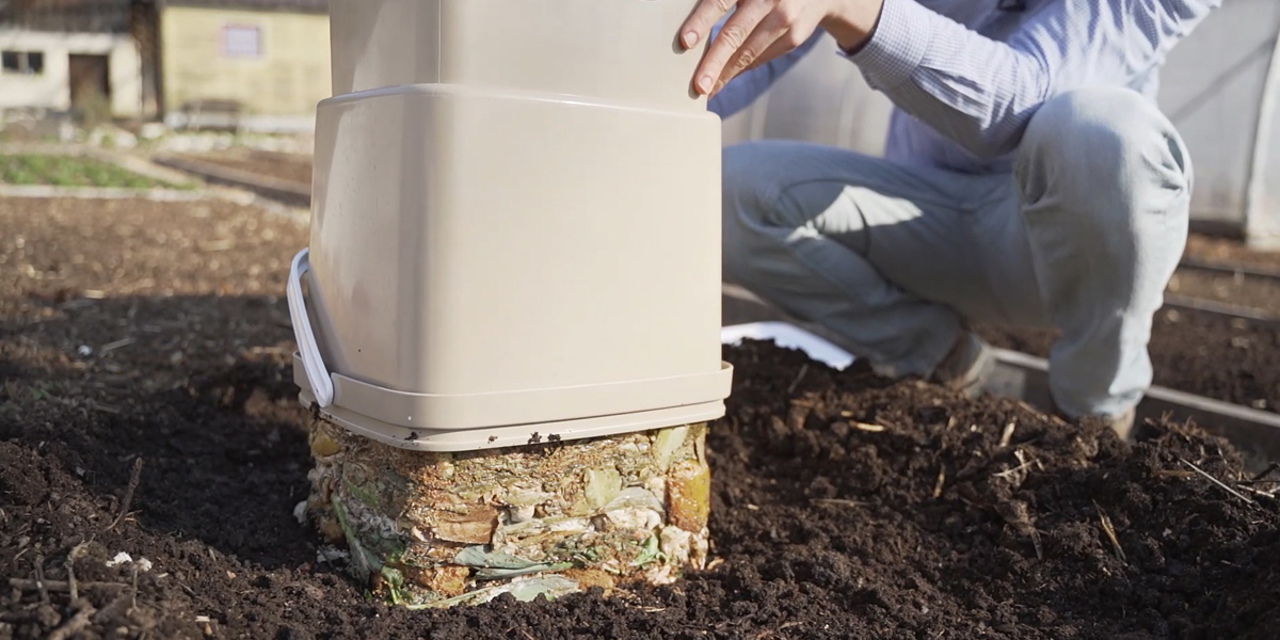
Using a grant of €3,010 (approx. 59,000 MDL), the center established a dedicated composting site. Students now utilize the "Bokashi" method, an advanced fermentation process for organic matter.
"We are experimenting with new composting techniques that were previously unavailable to us," noted Aurel Serdeșniuc, Deputy Director at the Țaul Center.
Energy autonomy in Bălți
In the north, the Bălți Polytechnic College has established a specialized hub for renewable energy. The facility focuses on solar and wind power technology.
"It is about everything related to solar panels and turbines. We will no longer depend solely on the municipal grid; we will generate our own energy," explained Cătălin Manea, a student involved in the project.
Building long-term sustainability
The Eco Impact initiative has mobilized 25 local partners to build 11 functional ecological laboratories nationwide.
Ludmila Stihi, State Secretary at the Ministry of Education and Research, emphasized that these activities extend beyond the classroom, involving local authorities and families in the green transition.
Launched last year, the project provided a total of €25,510 (approx. 500,000 MDL) in funding to 10 selected institutions, ensuring that sustainable practices remain embedded in the national curriculum.
Translation by Iurie Tataru