Moscow court expands censorship laws to cover 2008 Georgia war
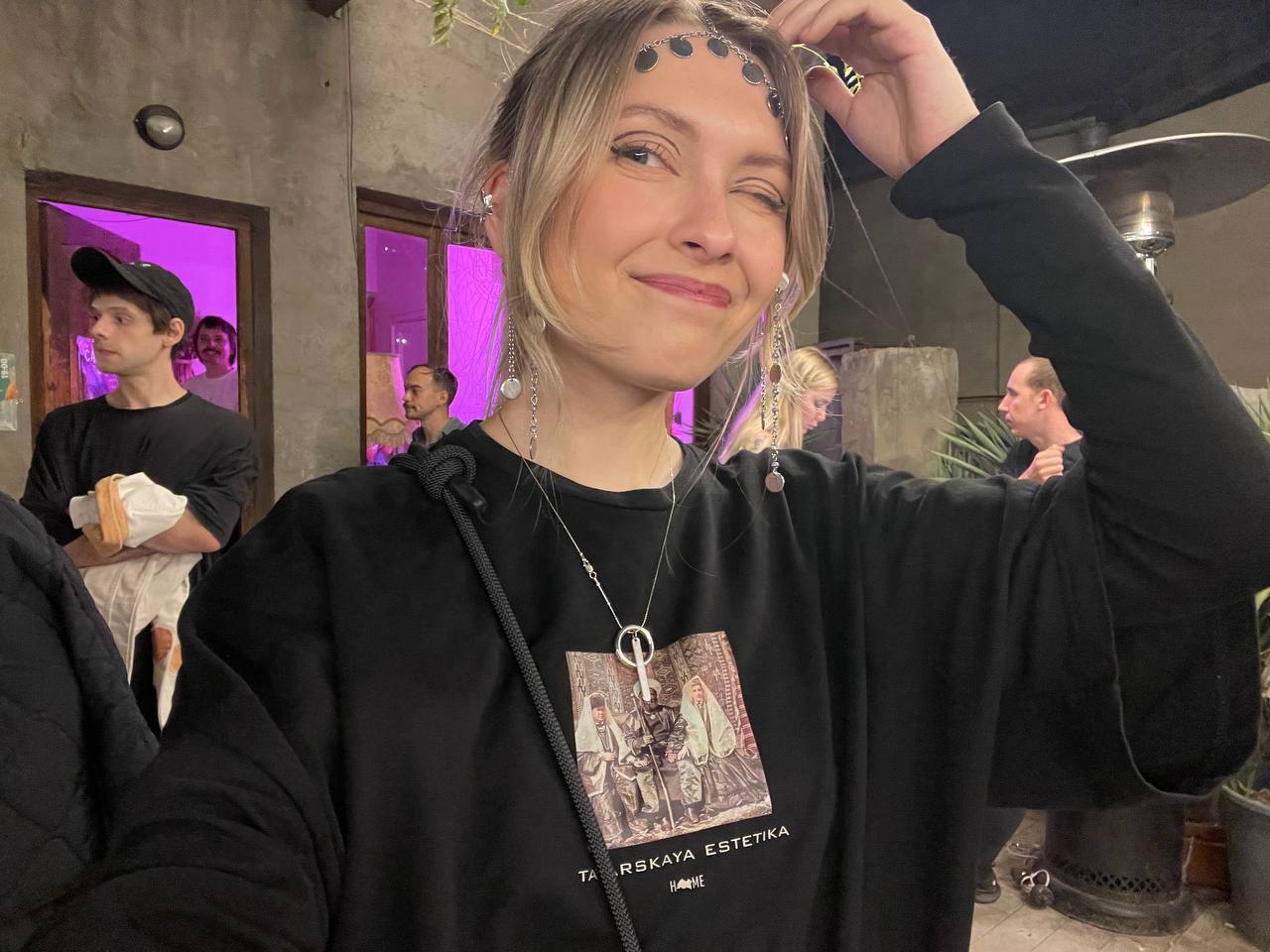
A Moscow court sentenced TV Rain journalist Valeria Kichigina to 10 years in prison in absentia on Tuesday for social media posts criticizing the Russian military.
The Tagansky District Court found Kichigina guilty of spreading "fake news" about the armed forces. In a significant expansion of Russian censorship practices, the prosecution included a 2008 post regarding the Russo-Georgian war, marking the first time these laws have been applied to conflicts prior to the 2022 invasion of Ukraine.
The court also banned Kichigina from publishing online for five years. According to independent outlets Mediazona and Ostorojno Novosti, the charges stemmed from two episodes: an Instagram post about the 2008 war and a repost of an article by journalist Dmitry Kolezev concerning the Bucha massacre.
Link to Baimak protests
Russian authorities initiated the criminal case in November 2024, following Kichigina's investigative reporting on the "Baimak case"—a series of mass protests in the Bashkortostan region. Kichigina, who was placed on a federal wanted list in early 2025, maintains the prosecution is a direct retaliation for her recent work.
"I have no doubt that this is about my journalism and the Baimak case," Kichigina stated previously. She questioned why a 2023 post remained ignored for over a year, only to be prosecuted in Ufa, a city she has not lived in since 2015.
Wider crackdown on media
The sentencing follows a pattern of increasing judicial pressure on independent voices. Recently, Russian journalist Ksenia Luchenko received an eight-year sentence in absentia for reporting on a Russian strike against a children's hospital in Kyiv.
Kichigina remains outside of Russia, where the sentence would be served in a general regime penal colony if she is ever detained.
Translation by Iurie Tataru