Chisinau towers over a shrinking nation, census shows
New data from the 2024 Census reveals a stark demographic imbalance in Moldova, as over a quarter of the country’s settlements struggle with dwindling populations.
According to the National Bureau of Statistics (NBS), 403 localities — nearly 27% of the total — now house fewer than 1,000 residents. The figures, collected between April and July 2024, paint a picture of a nation increasingly concentrated in its capital.
The rise of the city-state
Chisinau has emerged as the country’s sole primary hub, housing 567,000 people. This represents 23.5% of Moldova’s total population.
The gap between the capital and the rest of the country is widening. Balti, the second-largest municipality, accounts for only 3.8% of the population, with fewer than 100,000 residents.
Vanishing rural life
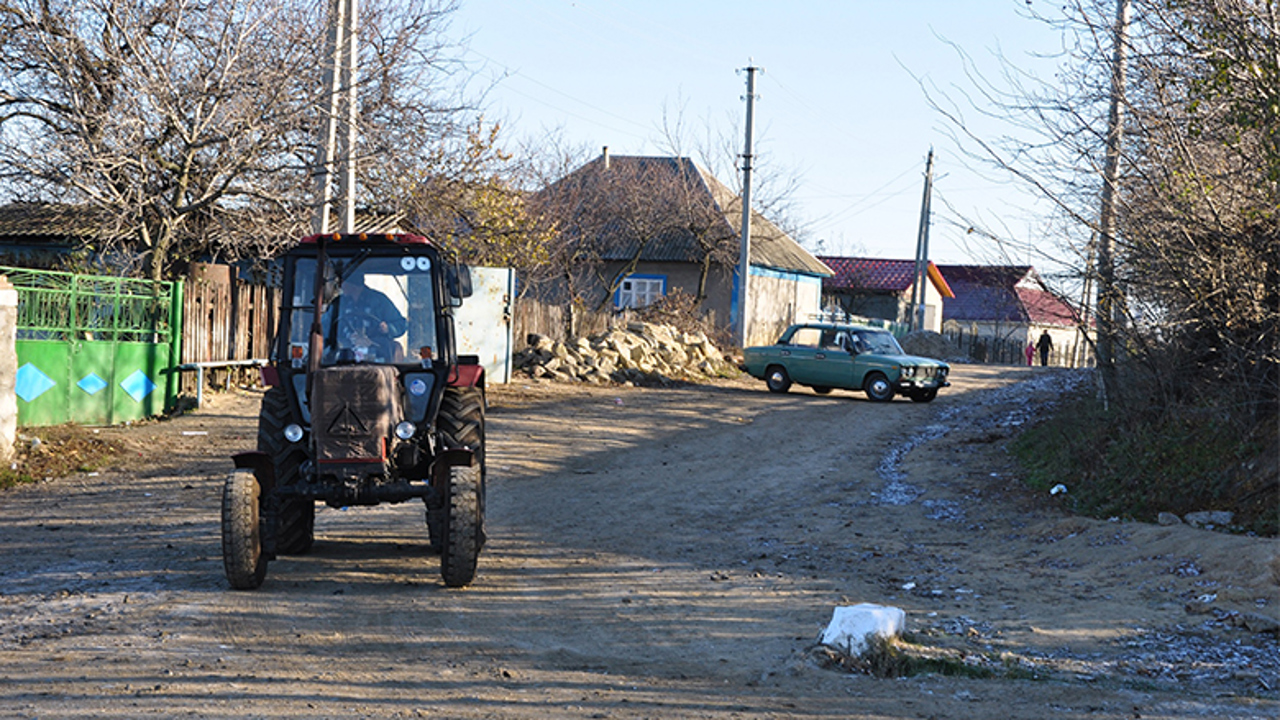
The rural landscape is fracturing into increasingly smaller clusters. The NBS identified 176 villages with fewer than 100 inhabitants, including 29 settlements with less than ten residents.
Most alarmingly, nine localities are now officially "ghost villages." Settlements such as Caraiman in the Donduseni district and Chetrisul Nou in Falesti recorded zero permanent residents during the census period.
Demographic disparities
The data also highlights significant gender and age gaps. Women remain the majority, making up 52.8% of the population compared to 47.2% for men.
In the smallest settlements, the age structure is becoming unsustainable. In 19 localities, over 70% of the population consists of working-age adults, while eight villages show a high concentration of children and elderly, signaling future social pressure.
Central Moldova remains the most densely packed region with 596 localities. In contrast, the southern regions and the autonomous territory of Gagauzia show significantly lower settlement density.
Translation by Iurie Tataru