Judges warn of burnout in Moldova as court reforms trigger exits
Moldova’s judicial system is facing a severe staffing crisis, with only 388 out of 524 judge positions currently filled. The Supreme Court of Justice (CSJ) is the hardest hit, operating with only half of its required bench.
The shortage has left remaining magistrates overwhelmed, with some reporting 14-hour workdays to prevent a massive backlog of cases. Judges are now urging the government to prioritize the digitalisation of court processes to alleviate pressure and accelerate legal proceedings.
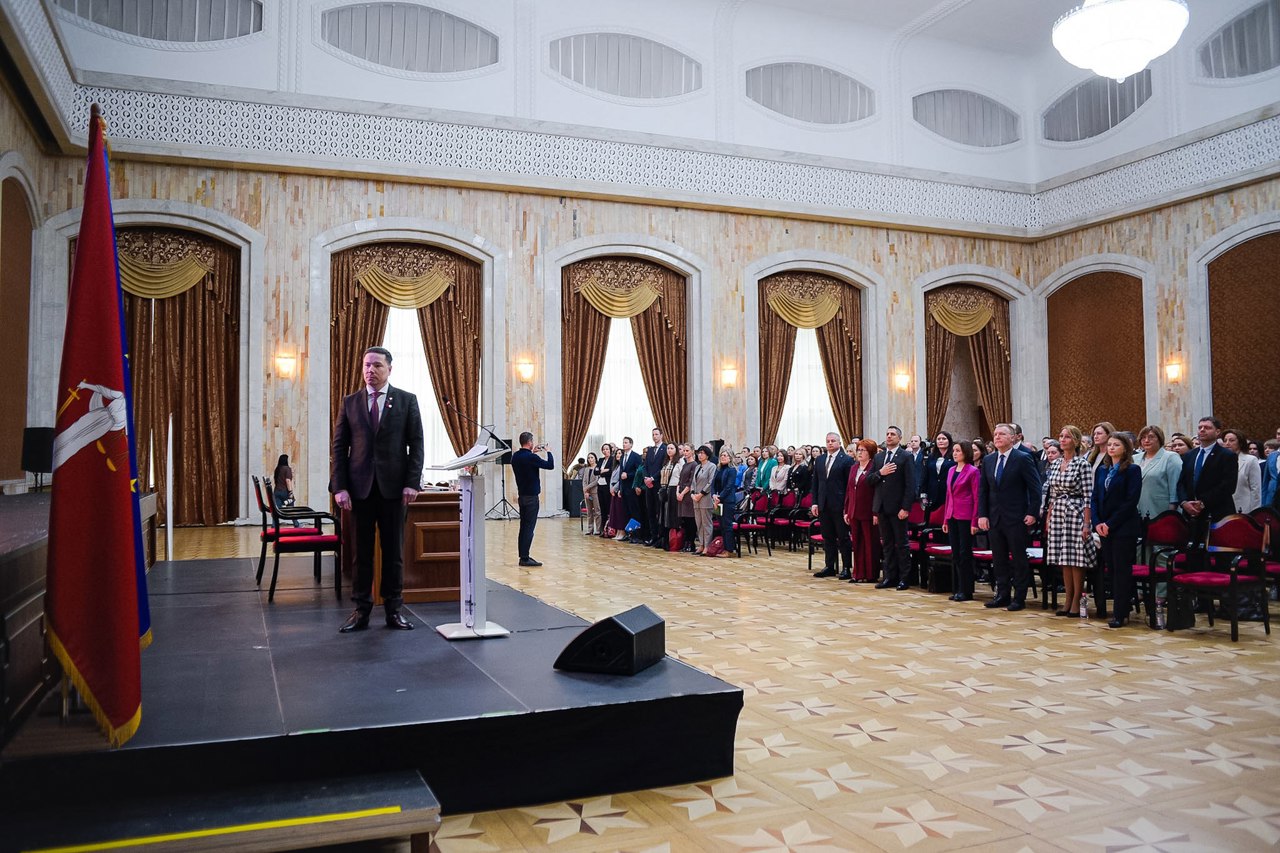
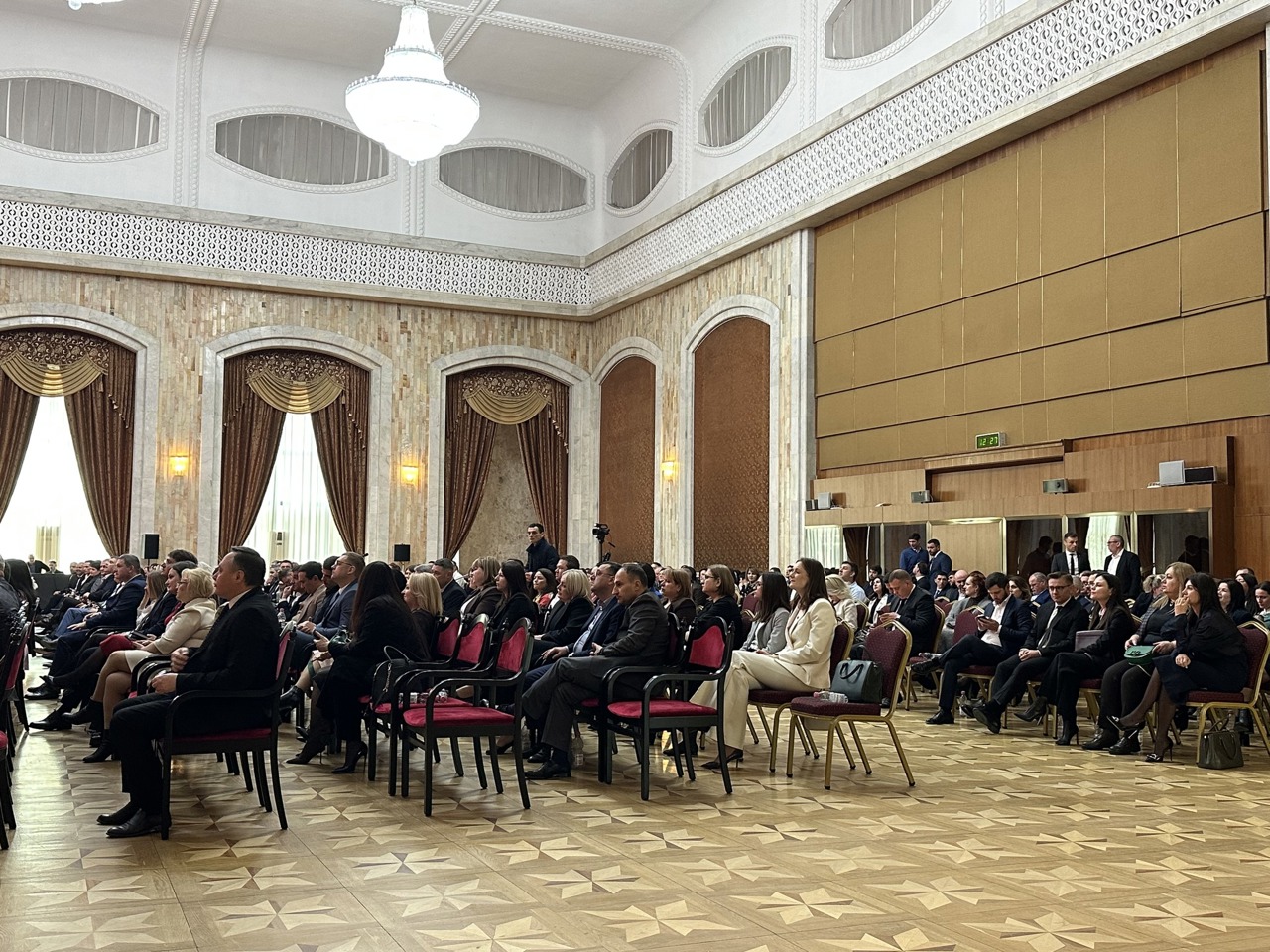
The crisis is equally visible in the appellate courts. "We have 38 judges out of a required 63," said Eugeniu Beșelea, a judge at the Chisinau Court of Appeal, during the General Assembly of Judges on March 27. He noted that remaining staff must handle between 100 and 120 cases per month to keep pace.
At the Supreme Court, only 10 of the 20 seats are occupied. "I start at 8:00 a.m. and finish at 10:00 p.m. This is not sustainable," stated Supreme Court Judge Vladislav Gribincea. He emphasized that while digitalisation is vital, the Parliament and Ministry of Justice must focus on the integrity and quality of new recruits.
The Superior Council of Magistracy (CSM), the system's governing body, maintains that while delays exist, essential court activity remains stable. CSM member Livia Mitrofan noted that 51 new judges are currently being proposed for appointment. The Council is also using temporary transfers to cover gaps in the appellate courts while permanent candidates undergo evaluation.
President Maia Sandu, attending the assembly, insisted that vacancies must not be filled at the expense of integrity. "We need sustained efforts, but we cannot allow vulnerabilities caused by rapid or superficial appointments," Sandu said, defending the ongoing judicial reforms.
The staff shortage is largely attributed to high workloads and a wave of resignations linked to external integrity evaluations. According to official data, a judge managed an average of 103 cases per month last year, compared to 83 in 2024.
Translation by Iurie Tataru