Quality over quantity: Moldova’s €1.4b lesson in market resilience
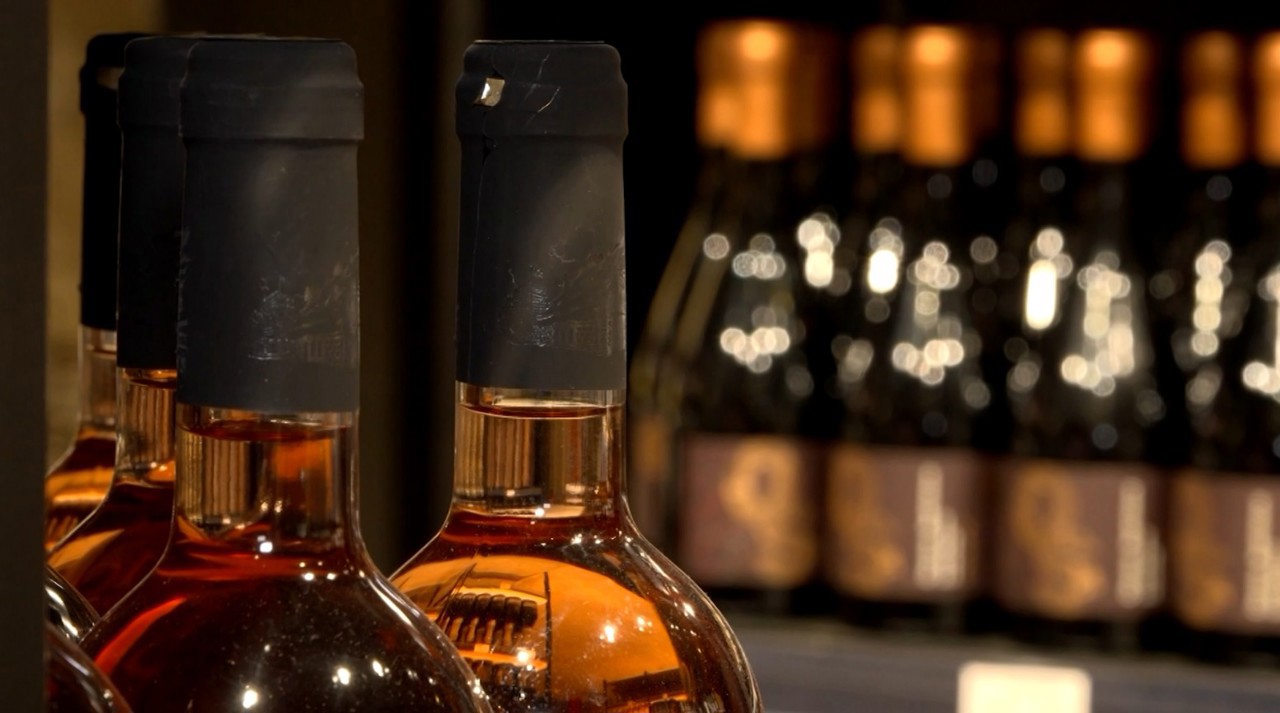
Twenty years after Russia imposed a total ban on Moldovan wine, the industry has transformed from a Soviet-era bulk supplier into a high-value global competitor. On 27 March 2006, the Kremlin blocked imports citing "health concerns," a move widely interpreted by international observers as geopolitical retaliation.
From dependency to diversification
The 2006 embargo caused an immediate economic shock. In 2005, Moldova exported wine worth $300 million, with 80% of volumes destined for Russia. Following the ban, exports plummeted to $100 million.
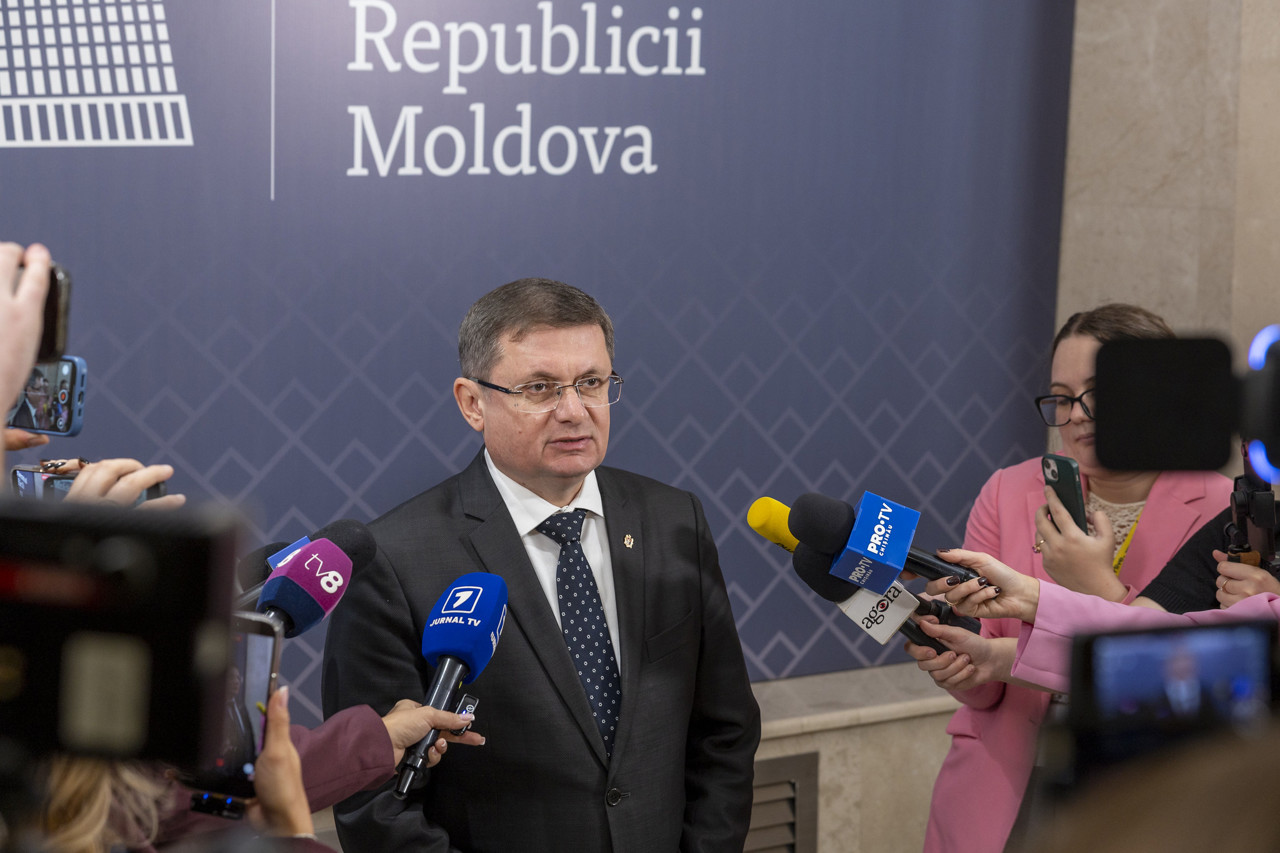
"The Russian market lacks predictability," stated Andrian Digolean, State Secretary at the Ministry of Agriculture. "We are ready to export anywhere, provided there are fair and equal conditions."
Today, the landscape is unrecognisable. By 2025, exports recovered to $220 million (approx. €202 million). Crucially, the European Union now absorbs 60% of Moldovan wine, with Romania and Poland leading the demand.
The price of quality
The transition forced a shift from quantity to prestige. While the total vineyard area decreased from 150,000 to 109,000 hectares, yields and values have surged. In 2005, Moldovan wine sold for an average of $0.70 per litre. Today, that price has nearly tripled to $2 per litre (€1.83).
"We wanted to end the dependency on bulk exports and focus on bottled wines with high added value," Digolean added. Despite the industry’s share of GDP shrinking from 10% to 1.8%, the sector is now more robust and technologically advanced.
Recovering lost ground
The financial toll remains significant. Officials estimate direct losses at $300 million, with missed revenues reaching $1.5 billion (€1.38 billion) over two decades.
Sorin Maslo, director of one of Moldova's leading wineries, described the 2006 crisis as a "heavy blow" that ultimately opened new doors. His company, which once sent 20% of its production to Russia, now exports to 37 countries, including the US, Canada, and emerging markets in Africa.
Modern resilience
While the industry still faces climate and economic challenges, the risk of a single-market collapse has evaporated. Through re-tooling and planting new varieties, Moldovan producers have secured a foothold in the elite European market, proving that geopolitical pressure can, in the long run, serve as a catalyst for excellence.
Translation by Iurie Tataru