G7 backs plan to reopen Hormuz as oil prices breach $110
United States Secretary of State Marco Rubio announced at the G7 Summit in Paris that joint operations with Israel are expected to conclude within weeks. Allied leaders called for a rapid end to the conflict to facilitate the reopening of the Strait of Hormuz.
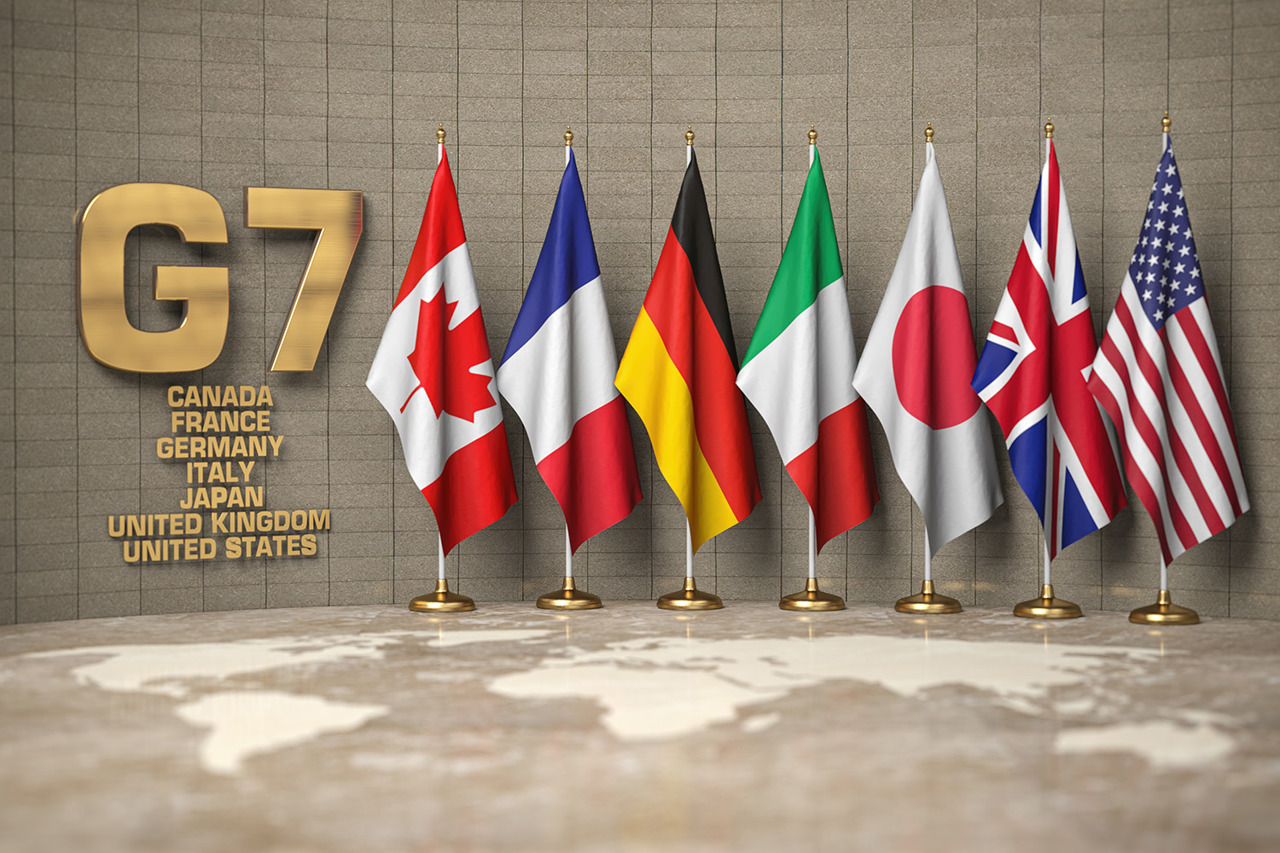
The Group of Seven nations expressed support for the initiative, issuing a resolution that demands a halt to the bombardment of civilian infrastructure in Iran.
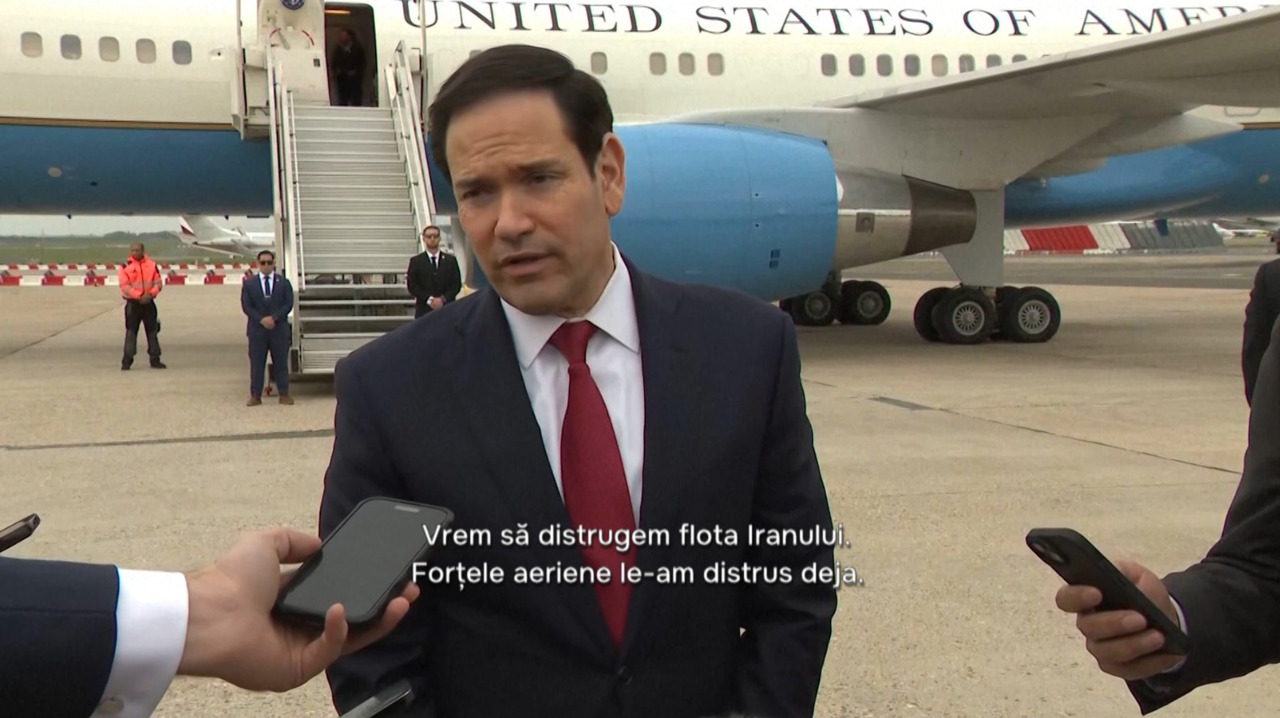
"We intend to destroy Iran’s fleet," Rubio stated, noting that air assets have already been neutralised. He added that the coalition is now targeting missile and drone production facilities to prevent Tehran from using these capabilities as a shield for nuclear weapons development. Rubio emphasised that the operation is ahead of schedule.
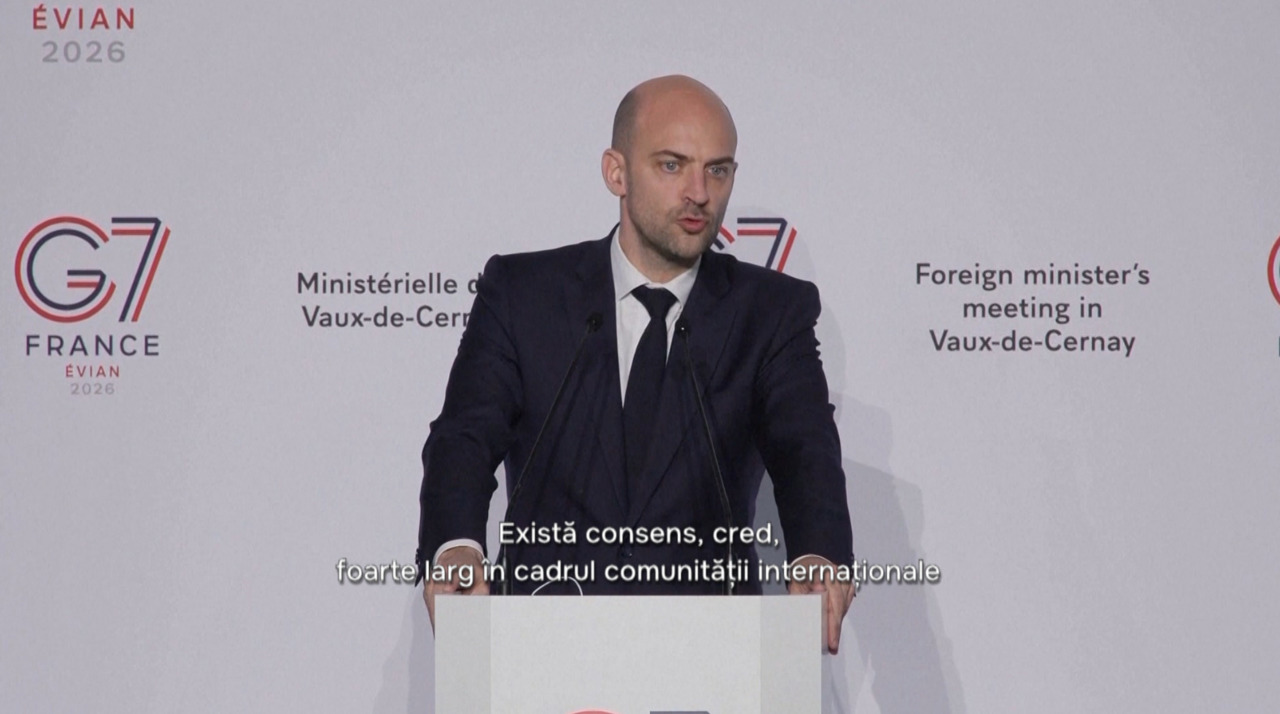
French Foreign Minister Jean-Noel Barrot reinforced the coalition's stance, citing a broad international consensus to defend the global principle of freedom of navigation. Barrot argued that international waters must remain open regardless of regional conflicts.
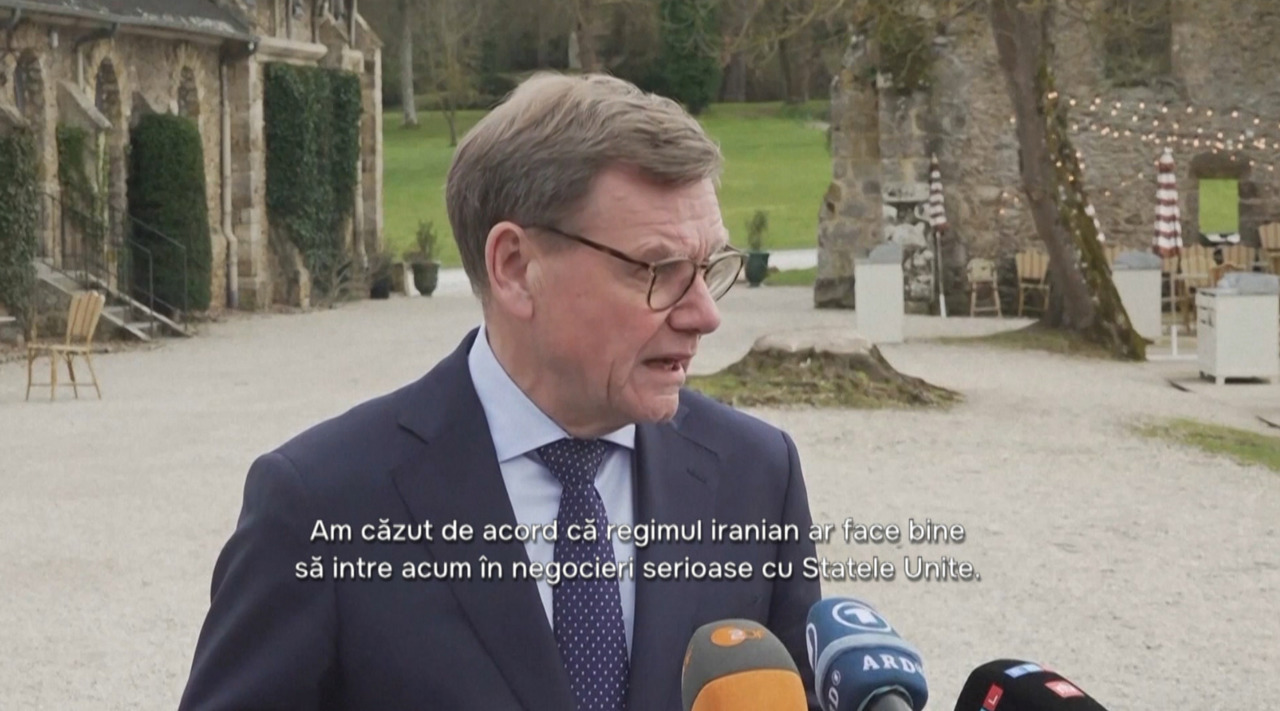
German Foreign Minister Johann Wadephul noted "initial signs of optimism" regarding potential negotiations between the Iranian regime and the United States. He stressed that Iran must cease to be a threat to regional stability and the global economy.
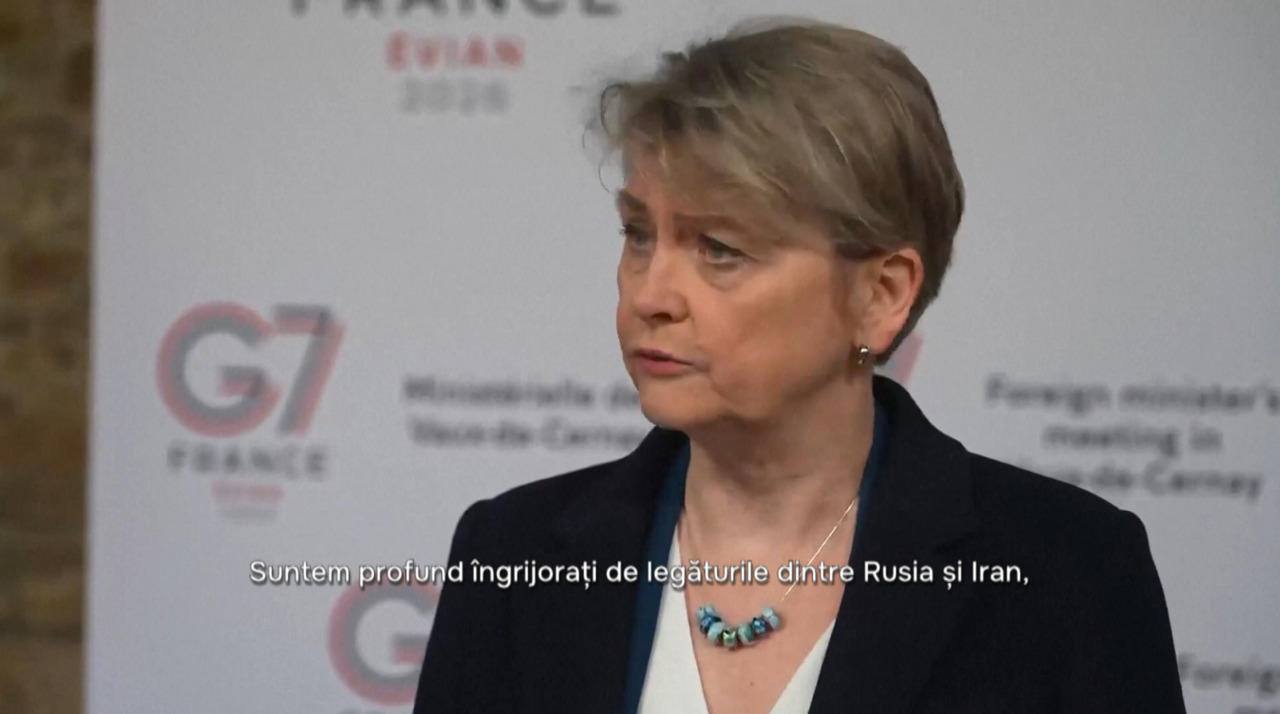
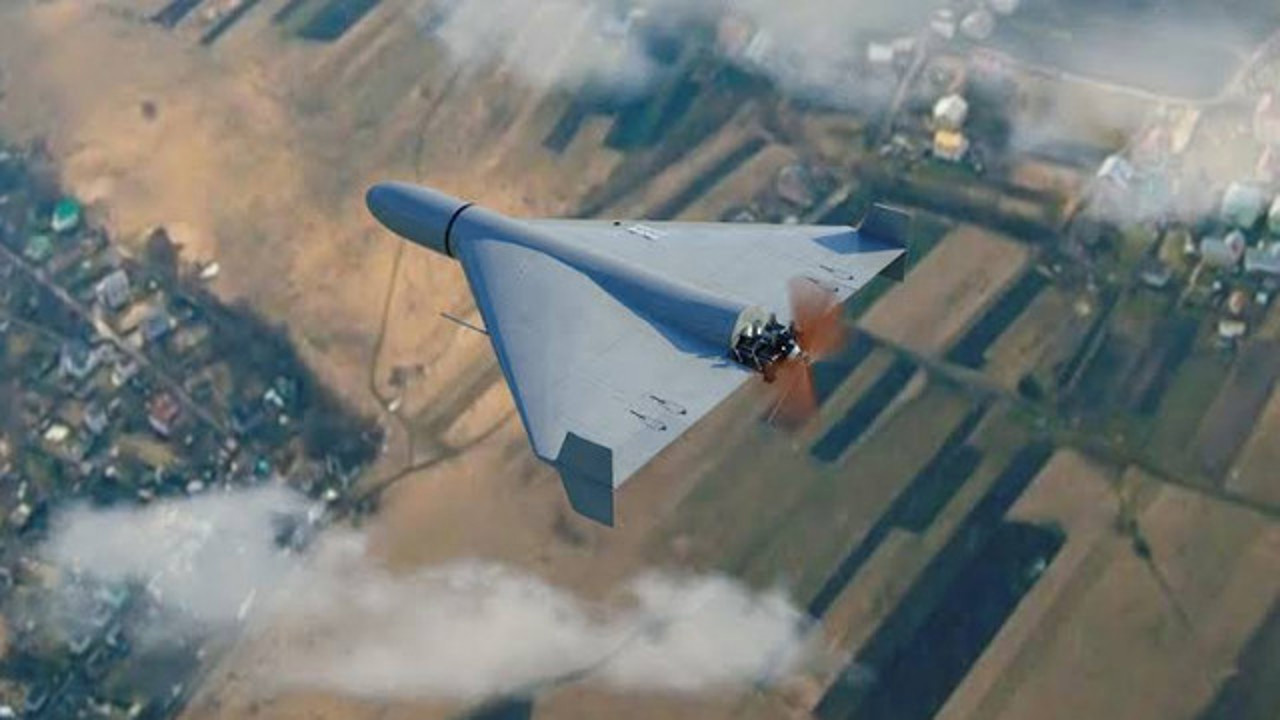
However, security concerns remain high. UK Foreign Secretary Yvette Cooper highlighted "deep concerns" regarding the long-standing military ties between Russia and Iran. Cooper pointed to the shared use of drone technology in the Ukraine conflict and recent Russian support for Tehran in the Middle East.
The joint US-Israeli operation has now entered its fourth week. Tehran continues to block the Strait of Hormuz, a transit point for nearly 20 per cent of global oil and gas flows. Following the stalemate, crude oil prices surpassed $110 per barrel today. While the Trump administration has proposed a 15-point ceasefire plan, Tehran has yet to issue an official response.
Translation by Iurie Tataru