Moldova wine exports 20 years after Russia embargo
Twenty years after Russia imposed a devastating embargo on Moldovan wine, the industry has successfully pivoted from Eastern dependence to European growth. The 2006 crisis, which shuttered 100 wineries and eliminated thousands of jobs, is now viewed as the catalyst for a total sector overhaul.

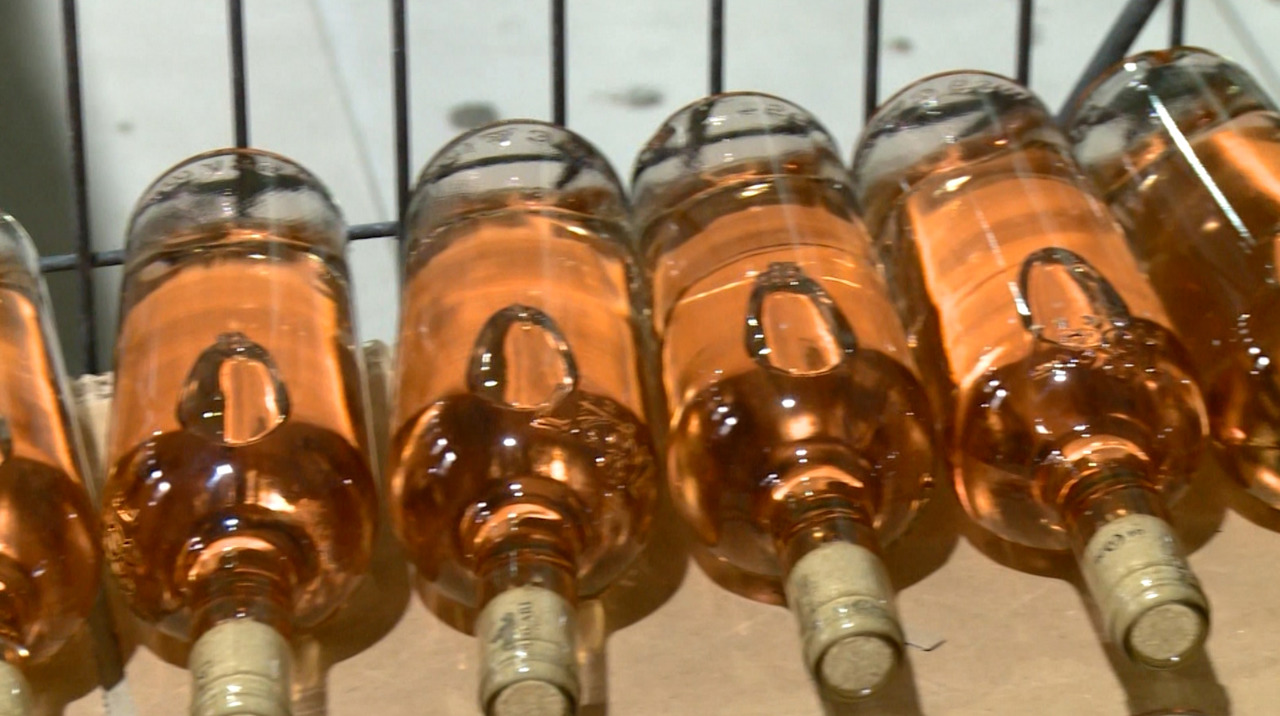
The transformation is evident in the Ștefan Vodă region, home to the country’s oldest vineyards. Two decades ago, local producers exported 80% of their volume to Russia. Today, these wines reach over 30 countries across Europe and Asia, with turnover for leading firms tripling to €100 million.
Geopolitical shock as a catalyst
Victor Bostan, a prominent Moldovan winemaker, described the 2006 ban as a "tornado" that nearly erased the country from the global wine map. Direct losses at the time were estimated between €250 million and €300 million.
"The embargo was a massive blow for Moldovan growers," Bostan said. "At the time, our company was capitalised at €50-60 million, but after the ban, no one would offer a single leu for it. It remains a deep wound."
Despite the collapse, Bostan chose to restructure and expand. His company is now valued at approximately €200 million, with 75% of exports targeting European Union markets, including Romania, Poland, and the Czech Republic.
The human and economic cost
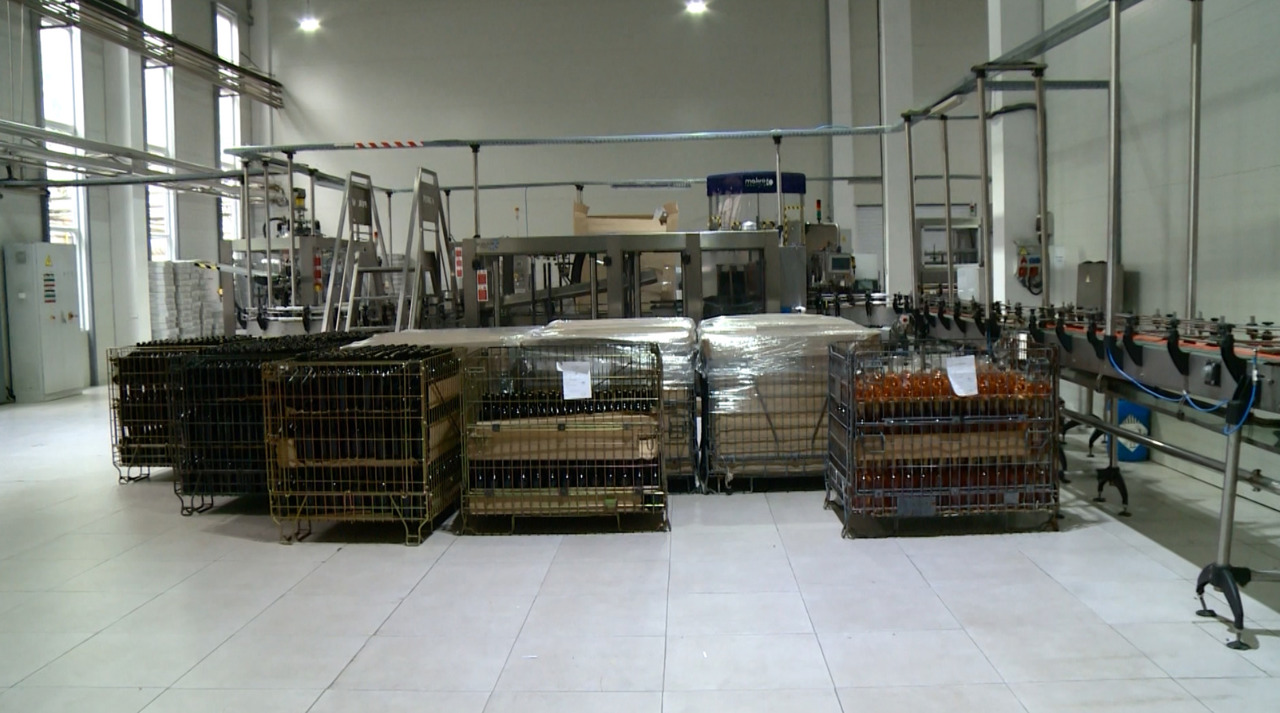
The transition was not without hardship. Employees recall working for months without pay as the industry struggled to find new buyers. Angela Dragan, a winery worker, remembers relatives being forced to migrate illegally to find work abroad during the height of the crisis.
Data from the Chamber of Commerce and Industry (CCI) highlights the scale of the shift. Before 2006, Moldovan wine exports to the CIS region totaled $260 million. Today, Moldova exports to over 60 countries, with Romania serving as the primary commercial partner.
A strategic economic pillar
The wine sector remains a strategic pillar of the Moldovan economy, contributing approximately 2% to the national GDP. It provides employment for nearly 150,000 people, according to official data.
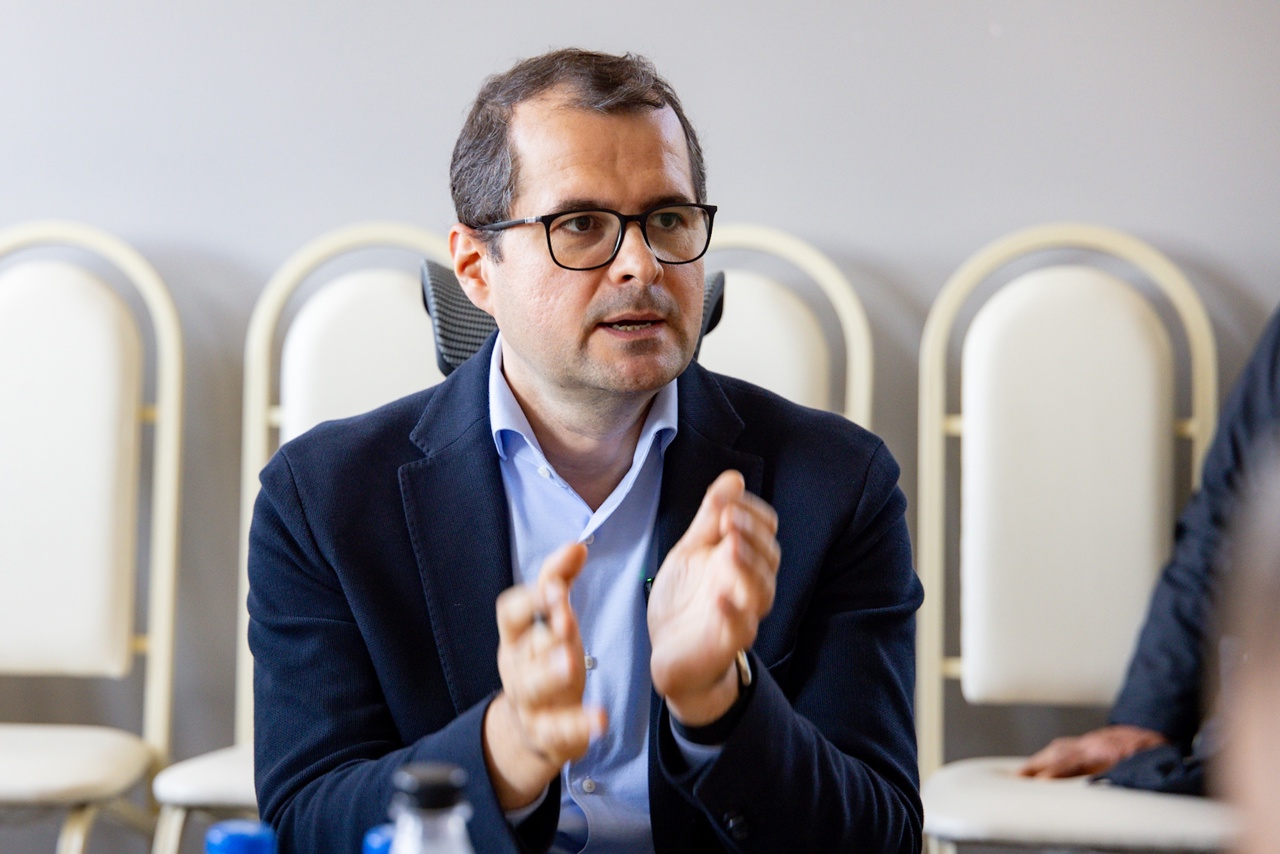
Sergiu Harea, President of the CCI, noted that while the 2006 ban was the first major shock, subsequent Russian trade pressures in 2014 further accelerated the move toward Western standards. Industry leaders now emphasize that while the "wound" of the embargo remains, there is no nostalgia for the volatile Russian market.
Translation by Iurie Tataru