Cimișlia, growing tourist potential: Cellars dug into the house and homes adorned with gables
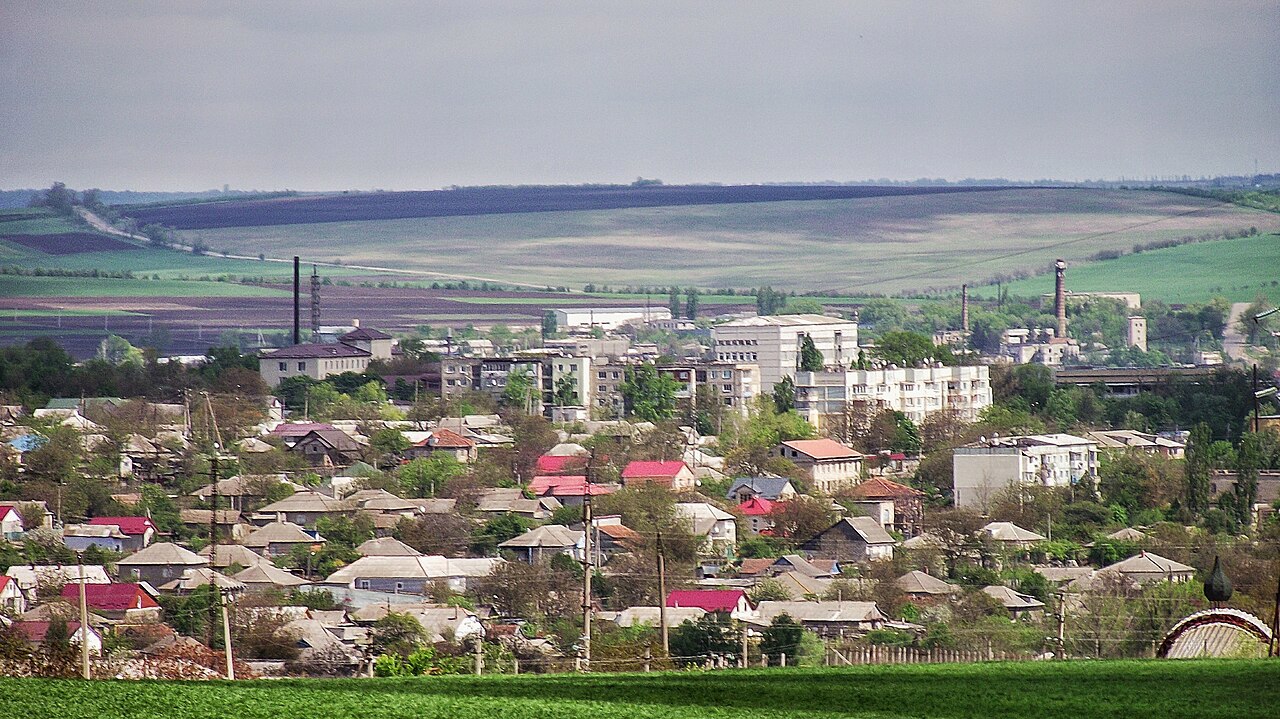
Cimislia, situated in the southern part of the Republic of Moldova, is known for its rich traditions, the warm hospitality of its locals, and the serene steppe landscapes. The area has a growing tourism potential thanks to its cultural heritage and favorable geographical location. In some villages within Cimislia, houses were traditionally built with cellars dug into them, often featuring decorative gables on the exterior.
The gabled houses in the Cimișlia area are true representations of the local identity and the region's unique aesthetic.
In the village of Selemet, cellars were traditionally dug into the houses.
"We have a small corridor in the house that leads to the cellar, designed as a part of the home. This type of cellar was especially common in our area after World War II, but even during the war, Soviet authorities would come and confiscate almost everything around the house. Having a cellar allowed households to store essential food items for survival. In Selemet, it seems there are only one or two cellars left in the homes. We keep various homemade products in our cellar—canned goods, wine, pickles, and more," explained Mădălina Jalova during the "Zi de Zi" show on Radio Moldova.
In the Cimișlia district, the houses are distinctive not only inside but also outside, with gabled roofs particularly characteristic.
"As you walk through the villages in the Cimișlia district, you notice the beautiful houses with gable roofs, featuring intricately designed wooden gables that have been preserved since the early 20th century. These carved gables often include small windows, balconies, and wooden symbols like the sun and the snake—a feminine symbol that protects the home and brings healing to everyone in the yard. Some houses display a masculine symbol, such as the sun or a rooster that wakes us in the morning. At the top of the house, you can often find a compass rose and a beautifully crafted rooster, primarily made of wood or tin. However, in Cimișlia, they are most frequently made of wood. The villages closer to the Prut River often feature the symbol of the fish, which can be found on both the gables of houses and the gates of households and wells," noted Elena Cojocari, deputy director of the National Museum of Ethnography and Natural History and a tourist guide.
The carved pediments and decorative elements on the roofs and windows are made from materials that are easier for carpenters to work with, such as ash, linden, and fir. The pediments were typically painted in colors like blue and green; the sun and flowers had their own unique colors, added Elena Cojocari. Some houses featured well-processed wood that was treated to prevent rotting, sun damage, and mold growth.
"The construction of gabled houses is characteristic of the central part of the Republic of Moldova, particularly in the center-south. In the north, you’ll find more gabled houses, and the roofs are predominantly gabled. In the south, while roofs are also gabled, they were more commonly made of reeds rather than thatch. In northern regions like Briceni, Soroca, Bălți, and Glodeni, roofs were often crafted from reeds, whereas in the center-south, near the Prut and Nistru rivers, homes were typically covered with reeds," stated the deputy director of the National Museum of Ethnography and Natural History.
Overall, the gabled houses in the Cimișlia area reflect the traditions, crafts, and lifestyle of the community over the years, preserving architectural elements passed down through generations. These houses stand as significant representations of local identity and the region's aesthetic appeal.