Chisinau restores key power line after drone clearance in South
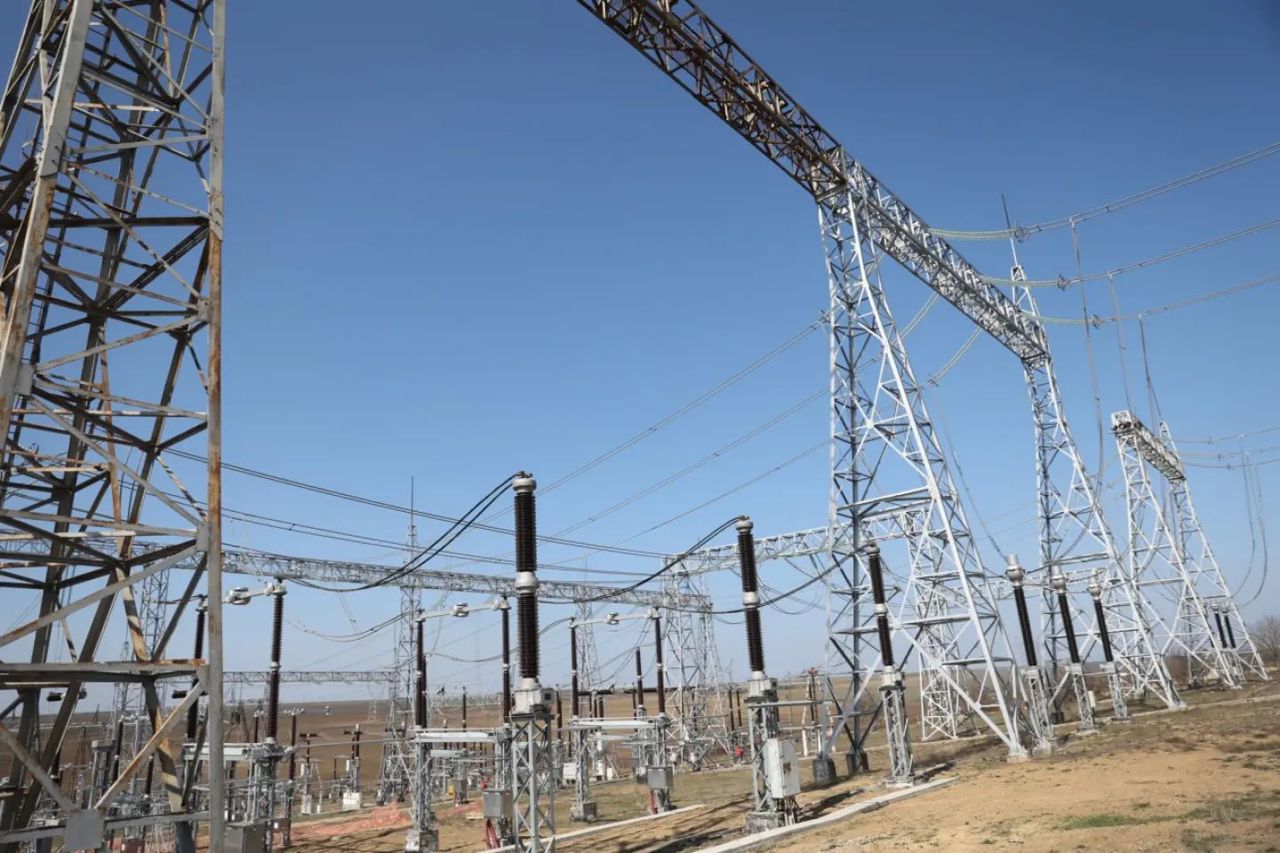
Moldova has managed to meet its full electricity demand in recent days without resorting to emergency supplies, despite a heavy reliance on imports following Russian strikes on regional energy infrastructure.
Eugeniu Buzatu, the interim CEO of state energy trader Energocom, stated that the country maintained stability by purchasing power through interconnections with Romania and Ukraine. The grid faced significant pressure after the strategic Isaccea-Vulcanesti line was knocked out on 23 March.
Regional synchronization
Following the disruption, Moldovan authorities coordinated with operators in Romania, Ukraine, Poland, and Slovakia. "The European Network of Transmission System Operators (ENTSO-E) views our system as a single, integrated block with Ukraine," Buzatu told TVR Moldova.
The state-owned operator Moldelectrica activated four 110 kV lines connecting to Romania to compensate for the lost capacity. Additional volumes were secured commercially through Ukrainian routes to ensure no consumer disconnections occurred.
Managing peak demand
The system faced its highest stress during evening hours when domestic production fell short of consumption. During these peaks, imports from Ukraine accounted for approximately 25% to 30% of Moldova's total electricity usage.
By contrast, during daylight hours, the country relied primarily on internal sources, including local combined heat and power (CHP) plants and renewable energy.
Restoring the backbone
The main 400 kV Isaccea-Vulcanesti line was disabled after Russian attacks on southern Ukraine. Repair efforts were delayed when drone debris was discovered near the damaged sites, requiring demining operations before technicians could intervene.
In response to the heightened risk of "chain-reaction" blackouts, the Moldovan Parliament declared a 60-day state of emergency in the energy sector on 24 March. Repairs were successfully completed on 28 March, fully restoring the country's primary interconnection capacity and bolstering national energy security.
Translation by Iurie Tataru