Moldovan MPs visit Georgia; trip sparks controversy in Chișinău
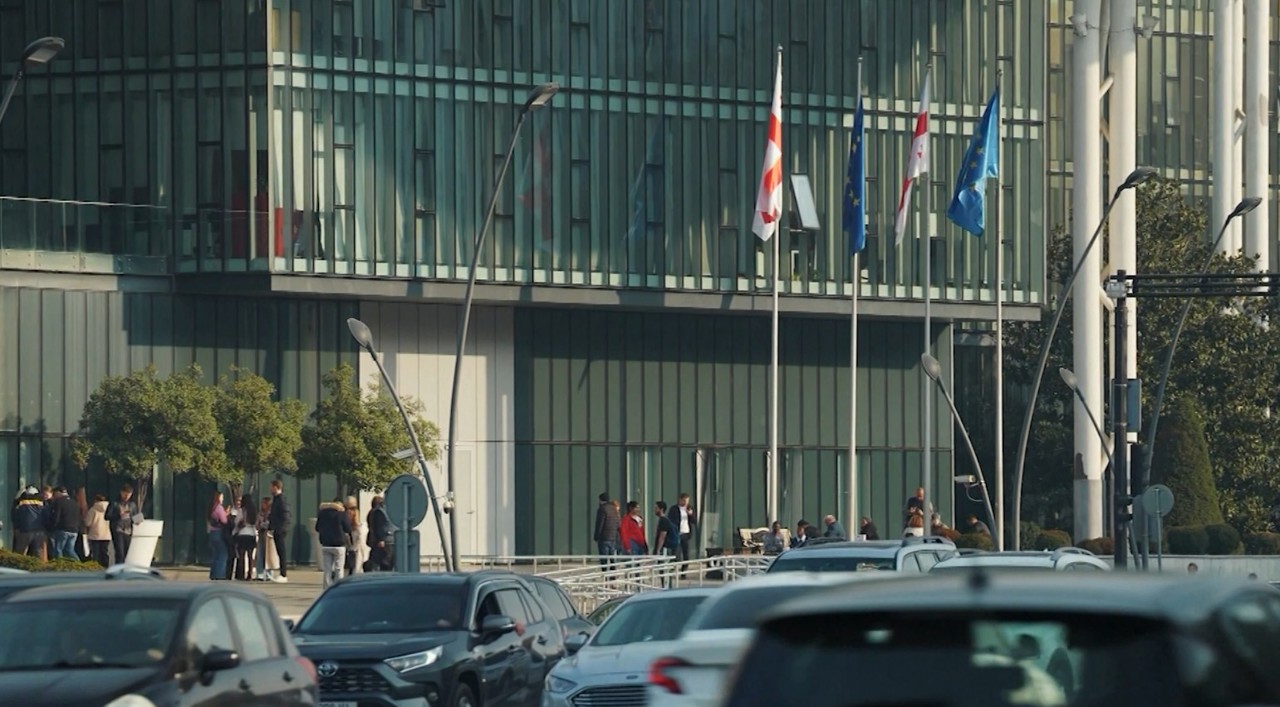
A group of Moldovan deputies from the Socialist Party, the Alternative Bloc and the Democracy at Home Party are in Georgia on a cooperation visit within the Moldovan-Georgian friendship group. The trip has generated controversy in Chisinau, due to the increasingly obvious rapprochement of the Tbilisi regime with Russia and hostile statements towards the Republic of Moldova.
Igor Dodon posted a photo of the Moldovan delegation on social media, but not all opposition members are present in Tbilisi. The deputies from Renato Usatîi's party decided to remain in Chisinau.
"Our colleague, who is part of the group, did not go to Georgia. I noticed that other colleagues have left, but our colleague and some others from different factions stayed behind. Today is the plenary session, and her presence in Parliament is important, especially since a simple motion against the Minister of Labor is being discussed. It is better for her to be present here," said Our Party deputy Alexandru Berlinschi.
The ruling party boycotted the Tbilisi meeting for political reasons. The President of the Parliament, Igor Grosu, asserted that an oligarchic regime holds power in Georgia.
"We received the invitation, but we cannot honor it from a country whose Parliament and Prime Minister have made very disrespectful statements towards the Republic of Moldova and its people. That is why we decided not to accept the invitation, especially considering it would cost 8,000 euros," Grosu declared.
Georgian Prime Minister Irakli Kobahidze sparked a diplomatic scandal when he insinuated that the Republic of Moldova is a dictatorship, claimed the elections were falsified, and criticized President Sandu for her pro-union position in a potential referendum.
The EU has suspended the process for Georgia, a candidate country. The Georgian Dream Party has implemented Russian-inspired laws, claimed victory in a contested election, and violently repressed the protests that followed. It is believed that the regime in Tbilisi is effectively controlled by Bidzina Ivanishvili, a businessman who made his fortune in Russia, and is aligned with Russian interests.