Moldova could become a “strategic partner” in Ukraine’s reconstruction, facilitating cross-border collaborations
Although Moldova lacks the ability to directly finance Ukraine's reconstruction, it can play a crucial role in fostering regional investment. A study by the Kyiv School of Economics indicates that Moldova can position itself as a "facilitator of cross-border partnerships." This would help enhance the Ukraine-Moldova-Romania corridor, establishing it as a true "strategic gateway" for investment, economic integration, and long-term resilience.
The study titled “Moldova’s Support for Post-War Recovery and Reconstruction of Ukraine,” developed with support from the American Chamber of Commerce in the Republic of Moldova and the Investment Agency, highlights the geographical and economic advantages of Moldova in relation to Ukraine's reconstruction.
The study states, “Proximity to Ukraine and integration into European systems create the prerequisites for Moldova to become a ‘gateway’ economy, capable of supporting supply chains and providing an operational base for investors interested in the Ukrainian market.”
However, the authors caution that this potential hinges on overcoming significant obstacles, including logistical bottlenecks, administrative barriers, and the absence of institutional mechanisms dedicated to cross-border cooperation.
Logistics and transport infrastructure are identified as sectors with the greatest potential. As alternative routes connecting Ukraine to European markets become increasingly essential, Moldova's strategic relevance is heightened.
The authors emphasize, “The war has redrawn the logistics map of the region. Southern and western Ukraine have become critical points for exports, especially for agricultural products and industrial goods, which increases the value of the corridor connecting Ukraine to the Republic of Moldova and the Danube region.”
This strategic direction has received European-level support. By the end of 2023, the European Union, Ukraine, and the Republic of Moldova agreed to expand the TEN-T (Trans-European Transport Network) corridors in both countries. Concurrently, the modernization of border crossings and the development of corridors under the “Solidarity Lanes” initiative, which includes joint customs controls at Reni, aim to accelerate trade flows between Ukraine, Moldova, and the EU via Romania.
The south-western regions of Ukraine—Odessa, Vinnytsia, and Chernivtsi—play a special role as key entry points for investments and cross-border economic cooperation.
Data from the Customs Service of Ukraine reveals that the share of goods transiting through the border with Moldova increased from 6.6% in 2024 to 7.2% in 2025. Additionally, vehicle traffic reached 1.54 million in 2025, a nearly 7% increase over the previous year.
Ukraine's exports to the Republic of Moldova have surged by over 60%.
Despite the ongoing war, Ukraine's exports to Moldova rose from approximately $818 million in 2019 to around $1.3 billion in 2024, representing an increase of over 60%. Meanwhile, imports from Moldova have remained stable, at about $150–160 million annually.
In addition to logistics and transport, energy is another crucial sector, particularly given the growing demand for renewable energy and energy security solutions. The manufacturing and construction industries are also well-positioned to capitalise on the demand generated by the reconstruction efforts, along with the agriculture and agri-food sectors.
The authors note, “New opportunities are also emerging in areas such as healthcare or dual-use technologies, ranging from electronics and robotics to cybersecurity, as Ukraine’s defense innovation ecosystem develops.”
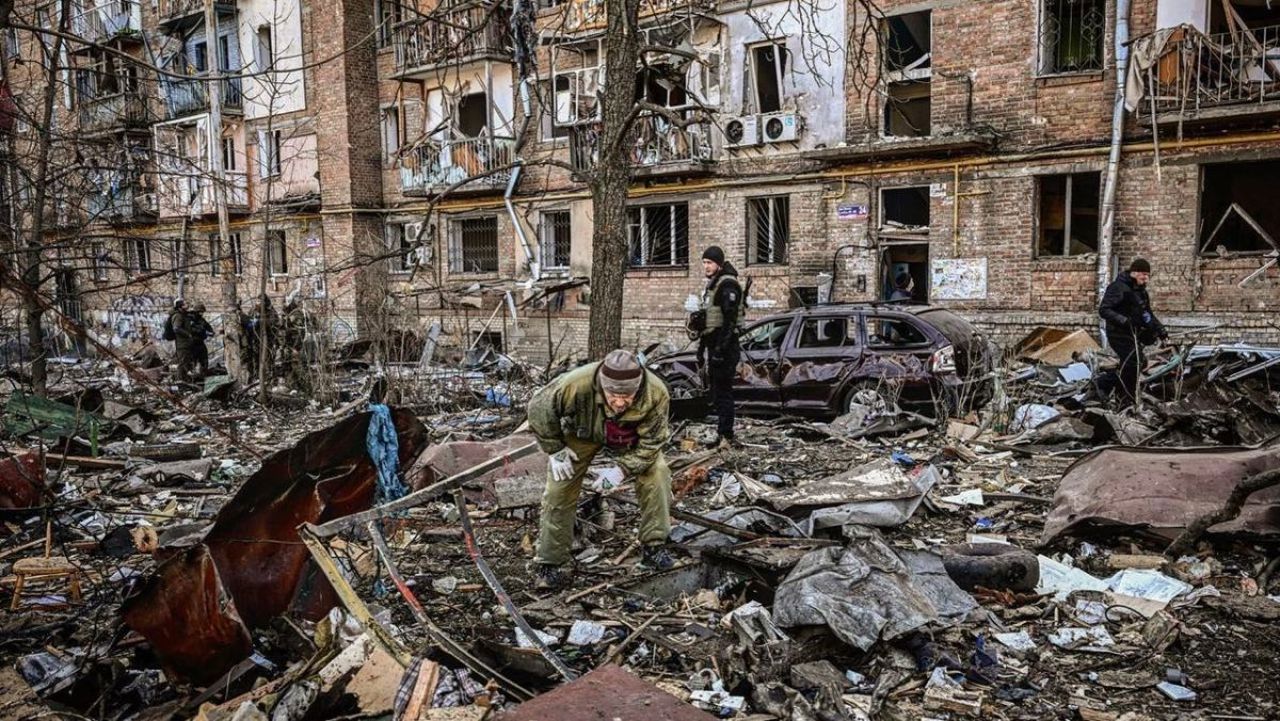
The World Bank estimates that Ukraine will require approximately $590 billion for reconstruction over the next decade. In this context, the private sector is positioning itself as the primary driver of investment.
The Kyiv School of Economics has identified 16 private projects, collectively valued at over $420 million, in areas such as renewable energy, agricultural processing, logistics infrastructure, and industrial production. The largest investment needs are concentrated in energy, which requires about $250 million, and in infrastructure and logistics, which require about $132 million. Funding for these projects is expected to primarily come from international financial institutions, development institutions, and mechanisms supported by the European Union.
Notably, Moldovan authorities have recently expressed their willingness to join the “Coalition of Volunteers,” a platform supporting Ukraine that includes over 30 states, such as the USA, the UK, France, Germany, Poland, and Romania.
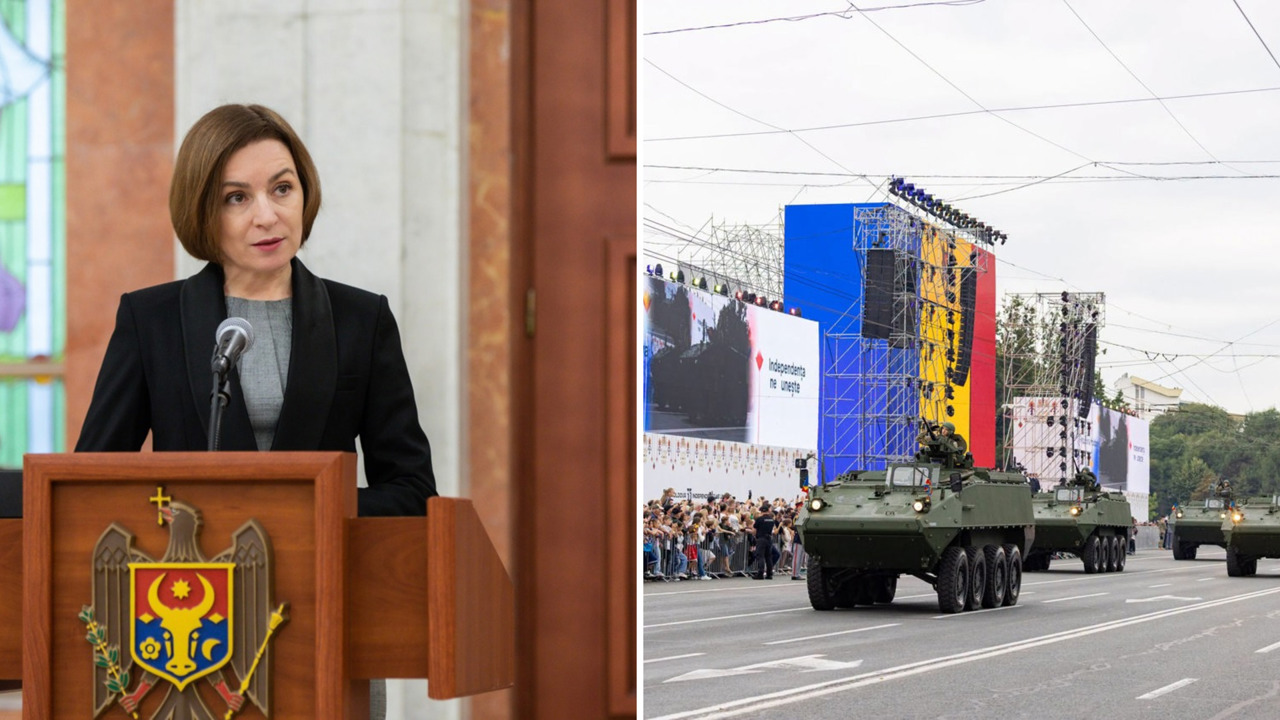
President Maia Sandu stated that Moldova could particularly contribute to demining efforts, an area in which it already offers training. This involvement may expand in the future, depending on the decisions made by international partners.