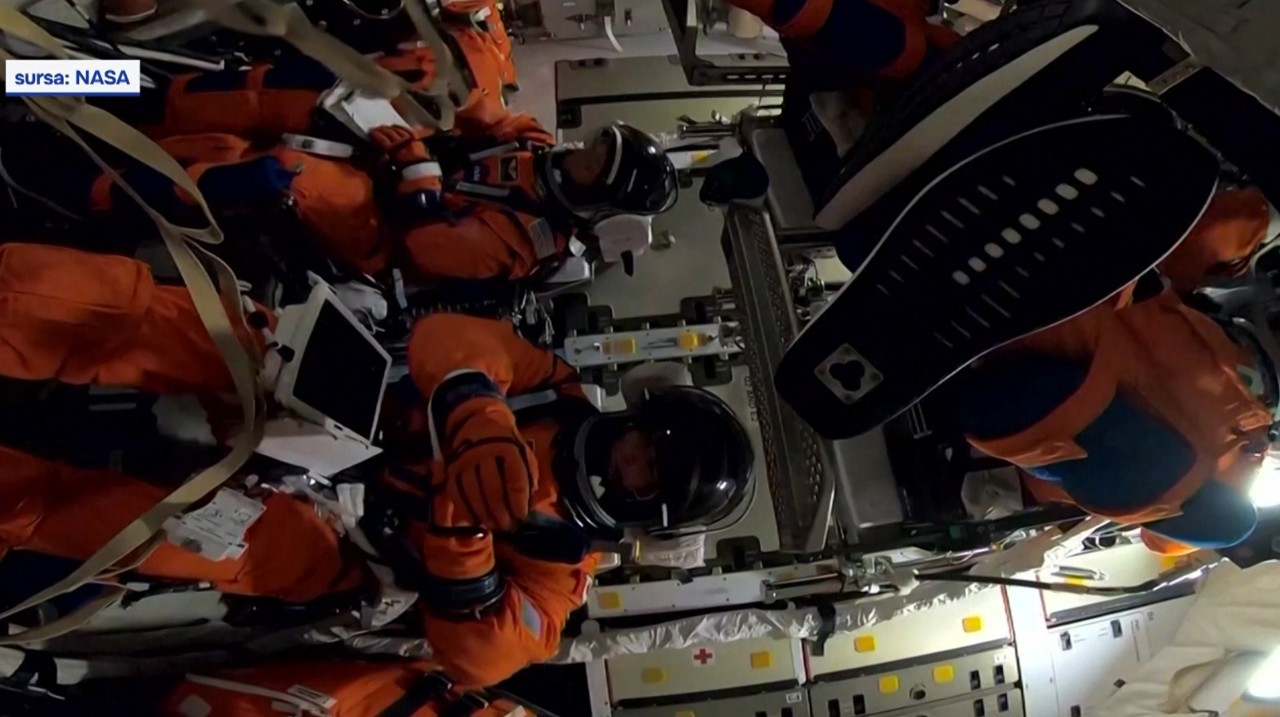
Beyond the horizon: Artemis 2 astronauts embark on record-breaking journey
Twenty-five hours after its historic launch, the Artemis 2 crew has successfully executed trans-lunar injection. The four-member team is now hurtling toward the Moon after spending a full day in Earth’s orbit to validate the Orion spacecraft’s life-support systems.
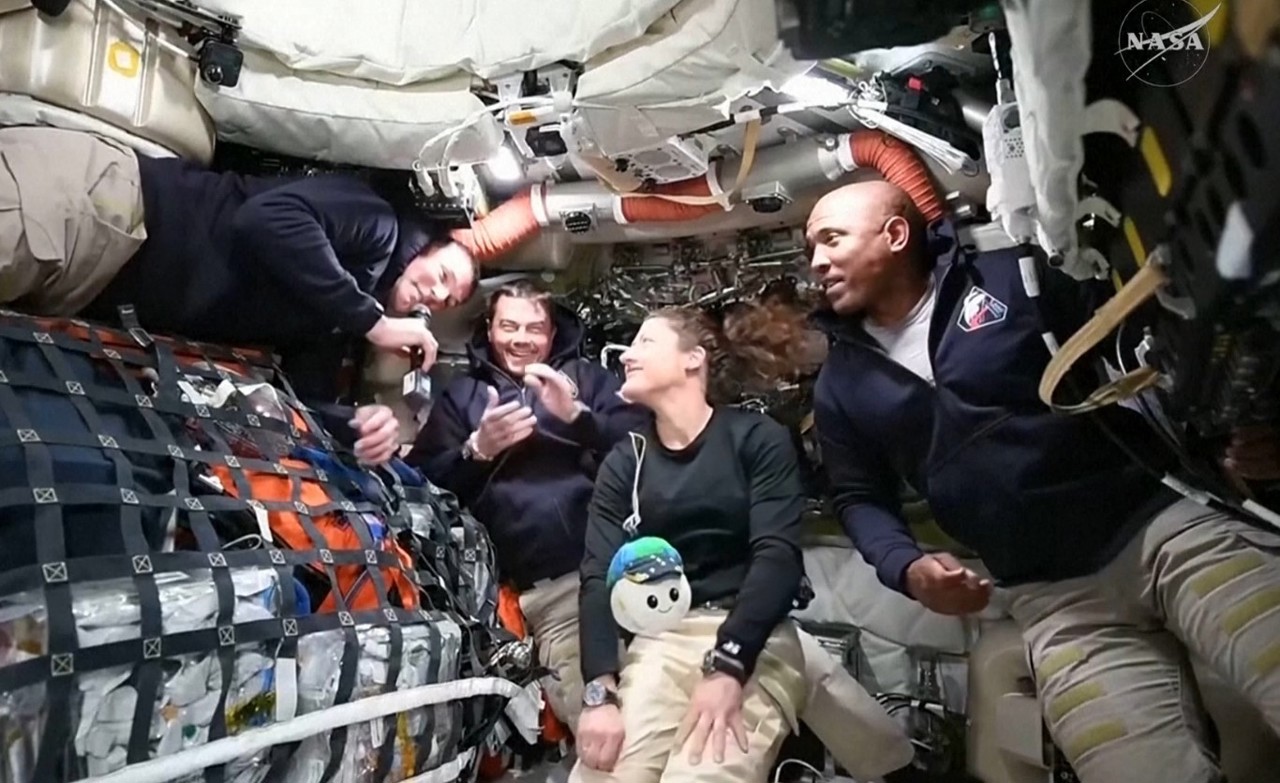
NASA has released the first deep-space transmissions from the crew, who appeared composed and inspired. Canadian astronaut Jeremy Hansen described a profound sense of awe, noting that the sensation of floating made him feel "like a young child" amidst the extraordinary lunar views.
A Herculean effort for humanity
Mission Commander Reid Wiseman highlighted the gravity of the journey. While humans last visited the lunar vicinity during the Apollo era (1968-1972), Wiseman emphasized that sending a crew 250,000 miles into the void remains a "Herculean effort" with nothing routine about it.
The crew reflected on the raw power of the Space Launch System (SLS). Hansen recalled the moment the solid rocket boosters ignited, describing an overwhelming feeling of disbelief as they left the launch pad, despite years of rigorous training and mental preparation.
Technical precision and global unity
Mission Specialist Christina Koch noted the unexpected smoothness of the ascent. Despite being prepared for a violent, high-vibration ride that might obscure telemetry, Koch reported a "steady hum" once the main engines took over, marking a clear transition into deep space.
Pilot Victor Glover shared a message of global solidarity from the cockpit. Looking back at Earth, Glover remarked that from such a distance, "Homo sapiens" appear as a singular, beautiful entity, regardless of origin, united by the shared achievement of the mission.
Breaking records in deep space
Artemis 2 will orbit the Moon without landing, positioned to break the distance record set by Apollo 13 for the farthest humans have ever traveled from Earth. This mission serves as a critical stress test for NASA’s long-term goal of establishing a permanent lunar base.
The crew is scheduled to splash down in the Pacific Ocean on April 10 or 11. This flight paves the way for Artemis 3, which aims to return humans to the lunar surface for the first time in over five decades.
Translation by Iurie Tataru