UN vote on naval intervention in Strait of Hormuz delayed amid Chinese opposition
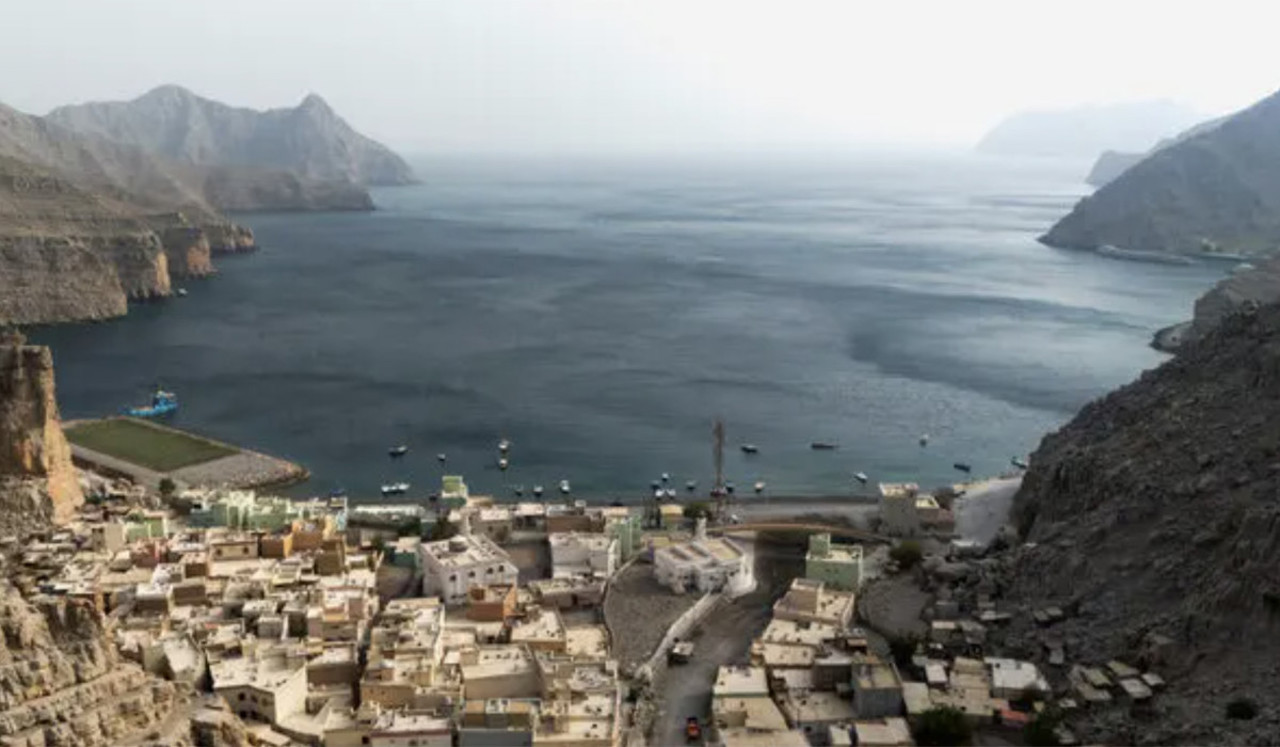
The United Nations Security Council (UNSC) has rescheduled a high-stakes vote on a Bahrain-led resolution aimed at restoring freedom of navigation through the Strait of Hormuz. Initially slated for Friday, the session was pushed to Saturday before diplomats confirmed a final delay to next week.
The Bahraini mission to the UN has yet to comment on the reasons behind the postponement. However, the proposed draft represents a significant shift in regional security policy, seeking to authorize member states to employ "all necessary defensive measures" to protect transit.
Naval intervention and regional deadlock
If adopted, the resolution would provide a legal framework for international naval operations within the Strait. The vital maritime artery has remained under an effective blockade since the outbreak of hostilities, crippling global energy supply chains.
The proposal faces stiff resistance from permanent UNSC members, including China and Russia. These powers argue that the resolution could serve as a pretext for uncontrolled military action in an already volatile region.
Diplomatic friction over the use of force
China’s UN Ambassador, Fu Cong, explicitly warned that the current draft risks legitimizing the "illegal and indiscriminate use of force." According to Beijing, such a move would inevitably trigger further escalation with "grave consequences" for Middle Eastern stability.
The council must now navigate these conflicting narratives as the new voting date approaches. The outcome will determine whether the international community opts for a militarized maritime corridor or continues to rely on stalled diplomatic backchannels.
Translation by Iurie Tataru