EU urges candidate states to stay committed, regardless of enlargement timing
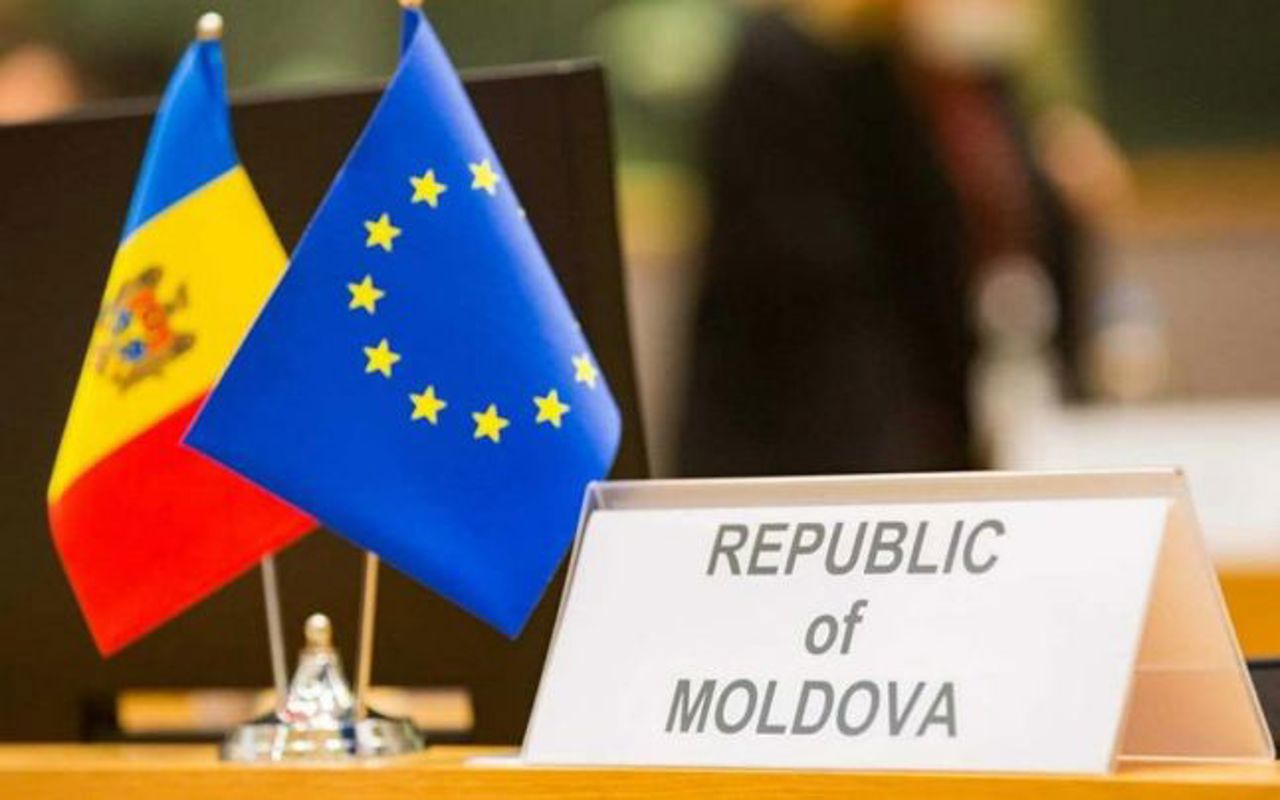
The enlargement of the European Union is both a geopolitical and economic necessity. Regardless of when the next enlargement occurs, candidate countries should not abandon this process. Romanian professor and historian Adrian Niculescu asserts that the European Union is the most successful political project ever created by humanity.
According to Professor Niculescu, Romania serves as tangible proof of the success of European integration. Over the past two decades, the country has consistently increased its Gross Domestic Product, reaffirming the effectiveness of the European model of economic and social development.
“We should not forget that the European Union, in my firm belief, is the most extraordinary structure ever created by the human mind, from antiquity to the present. It is the most refined framework ever built. Unfortunately, in Romania, there are many who believe that this framework is no longer necessary, despite the extraordinary results it has delivered,” said Adrian Niculescu on the show “Vector European”, on Moldova 1.
While the political elite in Bucharest continues to express unconditional support for the Republic of Moldova's accession to the European Union, independent experts emphasize aspects that must not be overlooked. They argue that the EU's enlargement should benefit both sides.
Francesca Cristea, policy coordinator at Europuls in Romania, notes that the European Union needs to expand to increase its competitiveness by gaining greater access to resources and enabling faster exchange of human resources and aid.
“The European Union certainly needs enlargement, but we must be cautious about how this process is carried out. All members must be harmoniously integrated, and we must ensure that the countries joining are truly ready and eager to be part of it,” says Francesca Cristea.
Compared to other candidate states, the Republic of Moldova benefits from a faster absorption of European legislation due to its shared human resources with Romania. A significant portion of the population already holds European citizenship, which facilitates direct access to the labor market and institutions in Brussels.
“The Republic of Moldova is already absorbing know-how from us, both directly and through people. Many Romanians work in Chisinau to support the country’s integration. Ukraine, due to its clear linguistic differences, may not be moving as quickly, but they are very resourceful. The fact that they have withstood such a harsh war demonstrates their resilience. Ukrainians are highly inventive and are progressing faster in the integration process than we did, learning from both our mistakes and positive experiences,” noted Vlad Gheorghe, honorary advisor to Romanian Prime Minister Ilie Bolojan.
Lidia Moise, economic analyst from Romania, points out that Ukraine’s accession to the EU is closely tied to the post-war reconstruction plan, which the World Bank estimates to cost nearly $590 billion. Integration provides a legal framework for European companies, including Romanian ones, to participate in the reconstruction of Ukrainian infrastructure.
“EU accession faces obstacles when candidate states have regions with frozen conflicts, such as Transnistrian region in Moldova and Crimea in Ukraine. This perspective may pose challenges to rapid accession, but in order to participate in Ukraine's reconstruction and finance part of it, I believe there will be an initial opening for European companies,” Lidia Moise mentioned during the “Vector European” program.
The enlargement of the European Union to include the Republic of Moldova and Ukraine would reposition Romania geopolitically, transforming it from a border state into a central pillar of stability and reconstruction in the region.
Since joining the EU in 2007, Romania is in the final stage of utilizing cohesion funds from the current financial year. At this point, Bucharest benefits from allocations of €31.5 billion under the Cohesion Policy and €28.5 billion under the National Recovery and Resilience Plan for the period 2021-2027.
The accession of new states will alter financial allocations in the future Multiannual Financial Framework. As such, the coming years are crucial for Bucharest to complete major infrastructure and agricultural projects, argues Robert Lupițu, editor-in-chief of the Calea Europeană media community.
“It is no one’s fault that Romania has not yet achieved a much higher level of development in implementing cohesion and agricultural policies. We still have opportunities in the current multiannual financial framework and the next one to significantly improve our situation. New states joining will require more funding than already developed countries, which is why it’s vital for Romania to develop strongly in the coming years,” emphasized Robert Lupițu.
On the bilateral cooperation agenda, Bucharest and Chisinau have several active initiatives, with energy being a major focus. Currently, between 50% and 70% of the electricity needed by the Republic of Moldova is supplied by Romania. Another important area of interconnection involves road and railway infrastructure.