Prime Minister Munteanu cites geopolitical risks and oil price surges for delayed lifting of emergency measures

Moldovan Prime Minister Alexandru Munteanu announced on April 8 that the government will delay lifting the energy state of emergency until at least April 23. Despite earlier plans to end the measures this week, officials cited extreme volatility in global energy markets and ongoing security threats.
The 60-day state of emergency, originally enacted on March 25, remains a "technical necessity" to protect the national grid. Munteanu emphasized that the decision is driven by high oil prices—currently at $115 per barrel—and the fragile regional security situation.
Global risks and regional security
The Prime Minister noted that while the Vulcănești-Isaccea power line was repaired following Russian drone strikes, the threat of renewed attacks remains high. He described lifting the measures before the Easter holidays as "irresponsible" given the unpredictable nature of the conflict.
The American-Iranian standoff continues to impact local stability. Market projections suggest oil could rise to $150 per barrel, maintaining pressure on Moldova's energy costs despite a temporary cooling of prices on Wednesday morning.
Support for vulnerable sectors
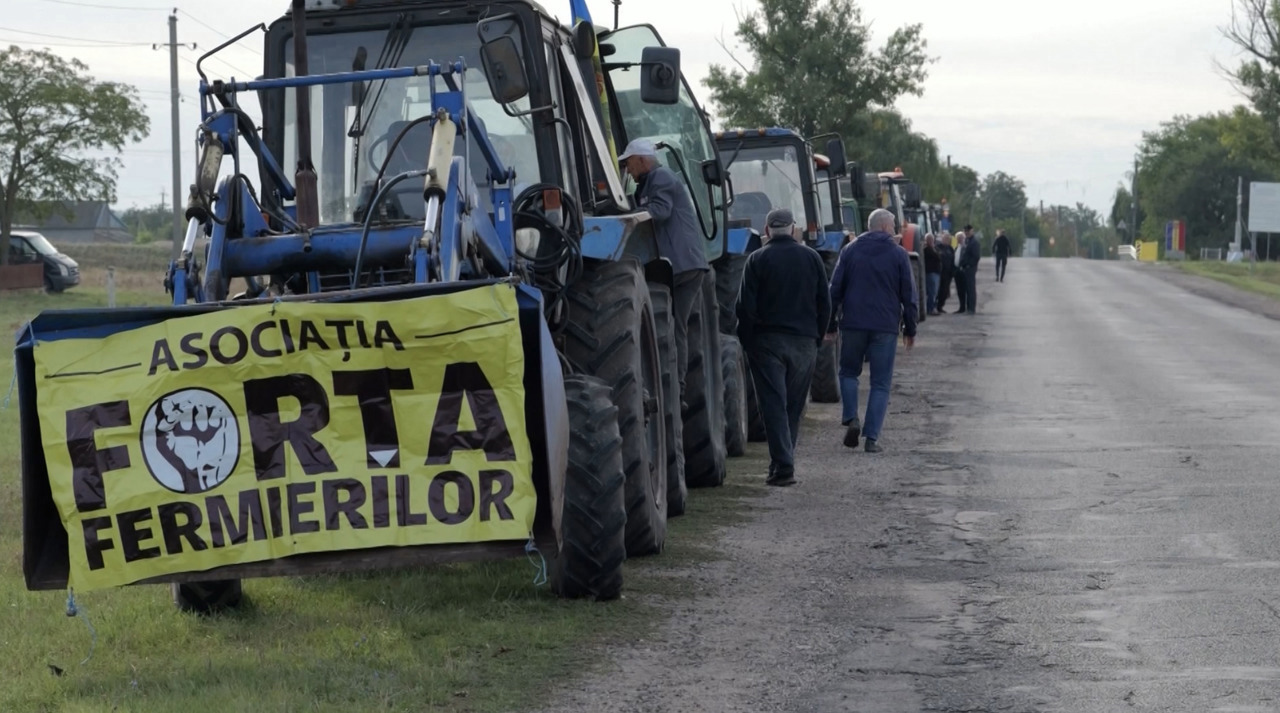
The government is utilizing the emergency framework to finalize support packages for farmers, including VAT and excise duty mechanisms. Simultaneously, the Ministry of Labor is developing measures to shield vulnerable citizens from rising costs.
A comprehensive report detailing all emergency measures taken by the National Crisis Management Center and the Ministry of Energy will be submitted to Parliament by the end of this week.
Emergency framework utility
The state of emergency has allowed the state-owned operator, Moldelectrica, to secure direct energy purchases and halt exports during peak hours. These steps were vital in preventing blackouts following the disruption of the Isaccea-Vulcănești line on March 28.
While technical repairs are complete, the government maintains that the instrument is essential for rapid intervention. Authorities pledged to use these powers with "maximum caution, accountability, and transparency" until the market stabilizes.
Translation by Iurie Tataru