Moldova’s National History Museum exposes Soviet hunger policies through documentary evidence
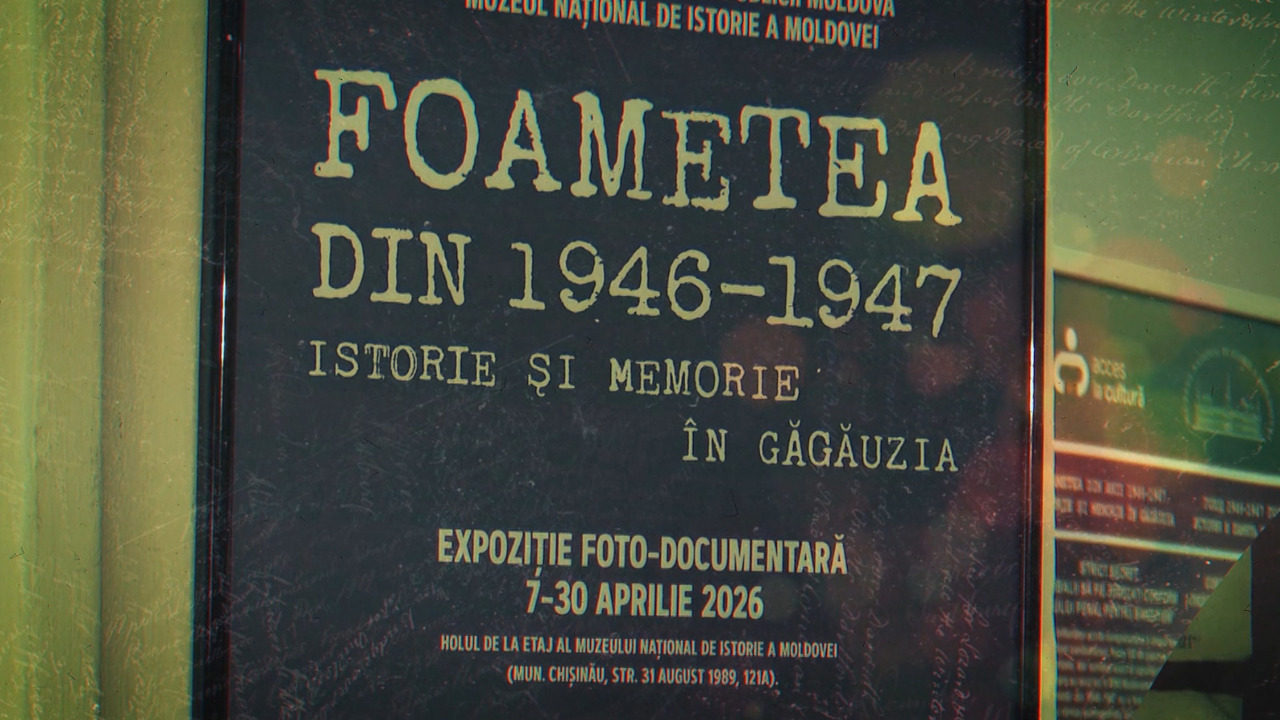
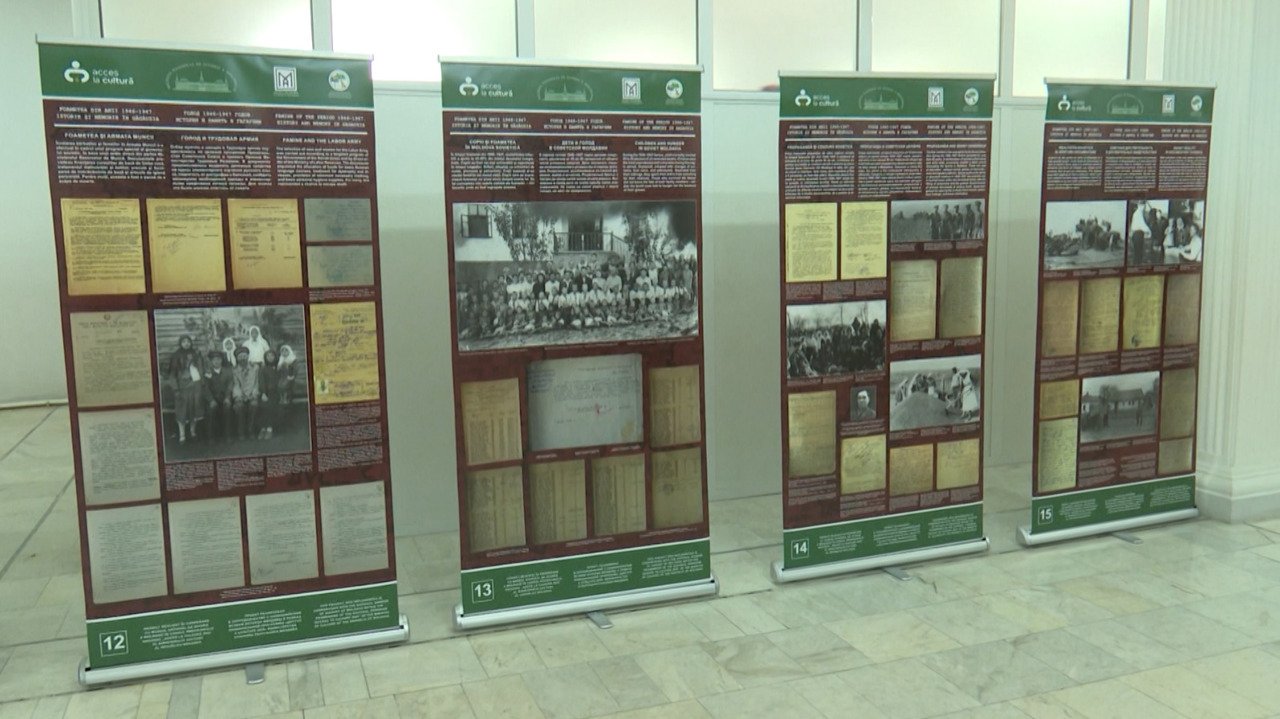
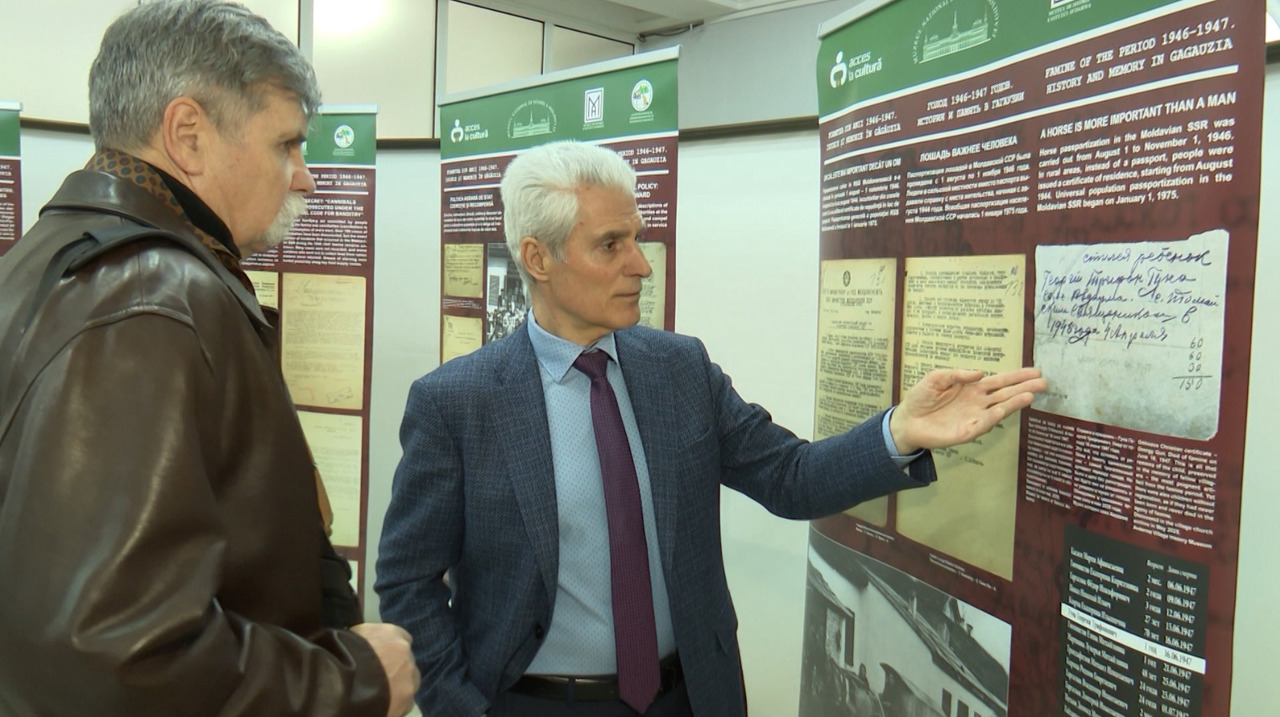
The National Museum of History in Chișinău has launched a definitive exhibition documenting the man-made famine of 1946-1947. This collection specifically highlights the devastation in Southern Moldova, where nearly half of the Gagauz village populations perished under Soviet rule.
A legacy of orchestrated suffering
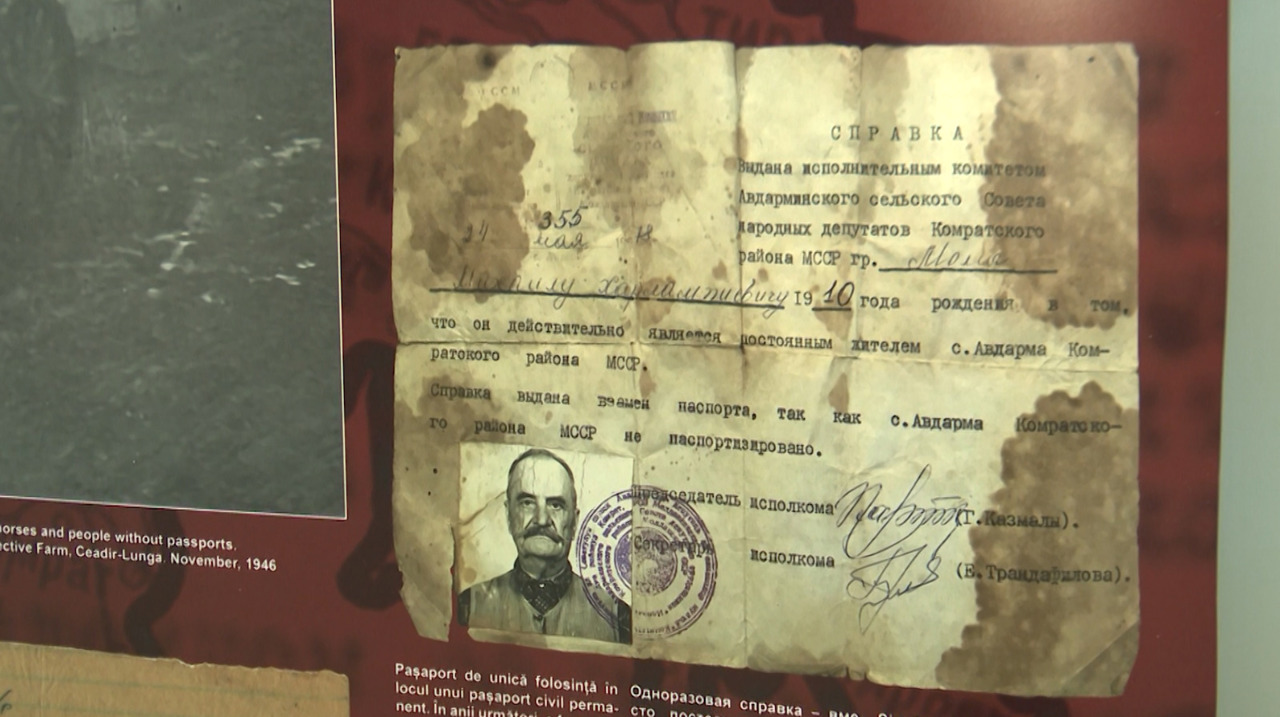
Curated by Ludmila Cojocaru, the exhibition "The Famine of 1946-1947: History and Memory in Gagauzia" features thousands of documents and chilling testimonies. These records were meticulously gathered by historian Ignat Cazmalî, founder of the Avdarma History Museum.
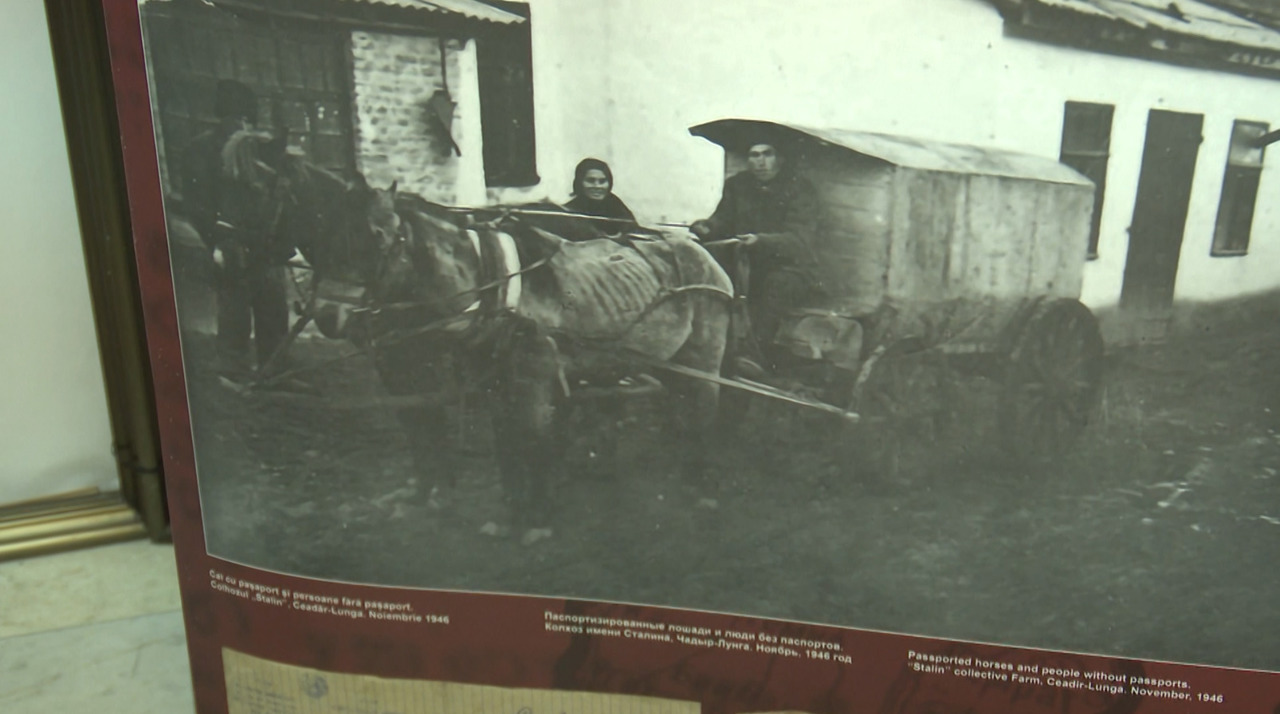
Cazmalî’s research reveals a staggering mortality rate of 30-40% in the districts of Comrat, Vulcănești, and Ceadâr-Lunga. The artifacts provide concrete evidence of a tragedy that was historically suppressed to protect the reputation of the Soviet regime.
Voices from the archives
Personal accounts bring a harrowing human dimension to the statistics. One witness recalled her grandmother being executed by soldiers with a rifle butt at her own gate, simply for following her husband as he was being deported to Siberia.
Other survivors shared stories of extreme desperation, where families stayed alive only by bartering handmade carpets for small portions of corn. For many, these meager exchanges were the only barrier between survival and starvation for their children.
Condemning the atrocities
Historian Anatol Țăranu emphasized that while decades were spent attempting to erase these events from collective memory, their preservation is vital. The famine is now recognized by experts as a deliberate tool of state control that discredited the post-war Soviet administration.
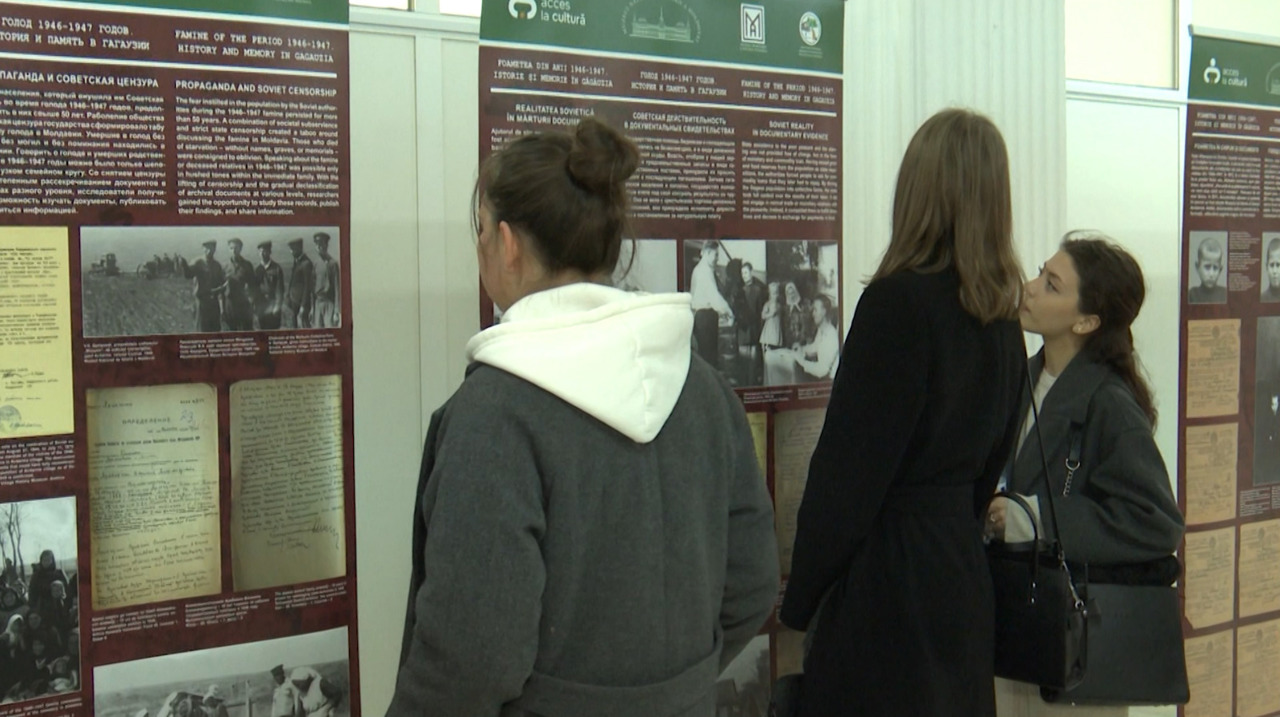
The exhibition, which aims to both commemorate the 200,000 victims and formally condemn the atrocities, remains open to the public until April 30. It stands as a stark reminder of a systematic attempt to dismantle the social fabric of the Moldovan people.
Translation by Iurie Tataru