Renewal and ritual: the profound cultural tapestry of Orthodox Easter in Eastern Europe
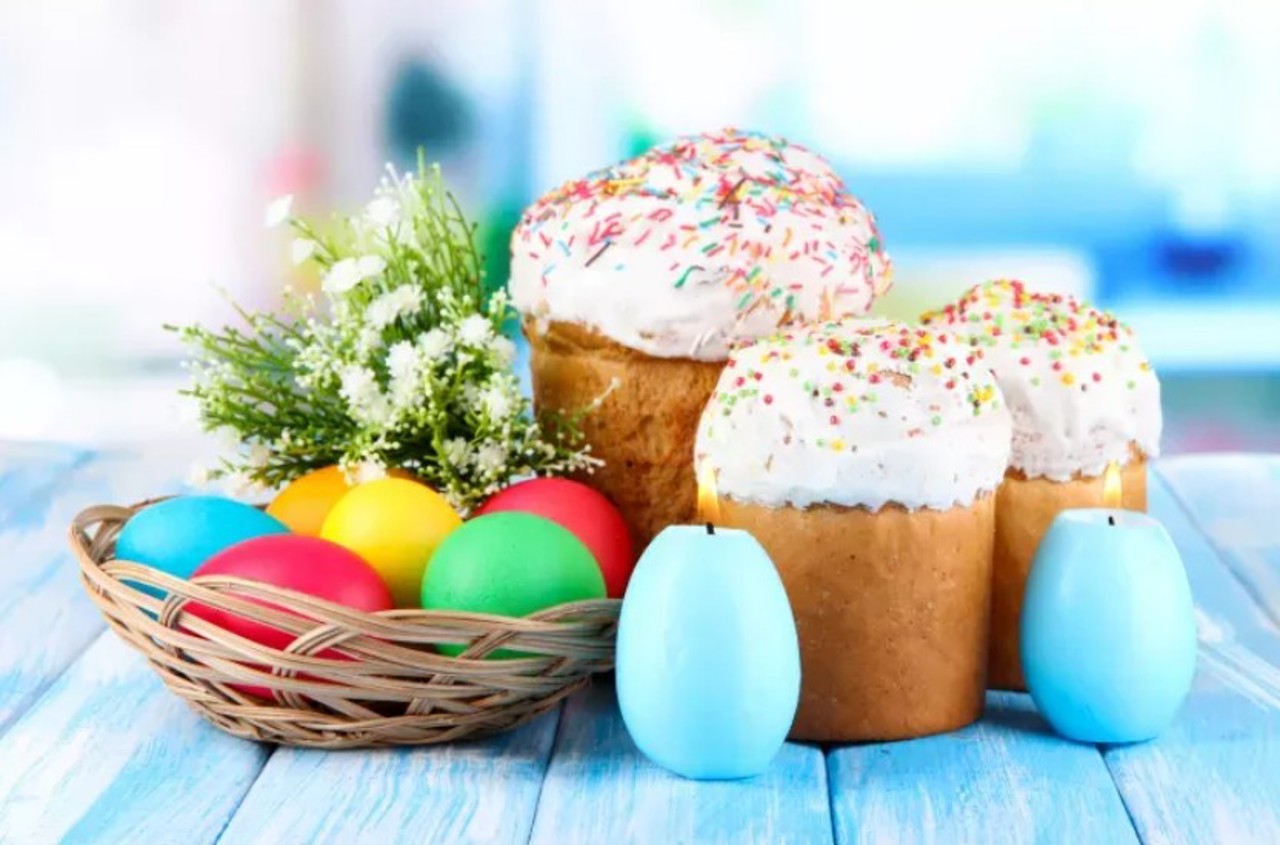
Orthodox Christians across the region celebrate Easter today, marking the Resurrection of Christ. As the year's most significant spiritual event, the holiday serves as a cornerstone for family reunions and the preservation of multi-generational heritage.
The ritual of light
The festivities span three days, beginning with the midnight Resurrection service. Thousands gathered at local churches to receive the "Holy Fire" and participate in the blessing of traditional baskets filled with hand-painted eggs and ceremonial breads.
Symbolism of prosperity
According to local custom, Easter Sunday morning begins with a symbolic cleansing. Faithful wash their faces with a red egg for strength, a white egg for purity, and silver coins to signal prosperity for the coming year.
Community and renewal
A central feature of the celebration is the traditional egg-tapping ritual, where the survivor of the "duel" is said to be granted luck throughout the year. Beyond the table, the holiday emphasizes emotional rebirth, marked by the custom of wearing new clothing to symbolize the renewal of both body and soul.
The Orthodox celebrations follow the Roman Catholic Easter, which was observed on April 5 this year.
Translation by Iurie Tataru