US-Iran nuclear deadlock persists as Vice President Vance concludes Islamabad summit
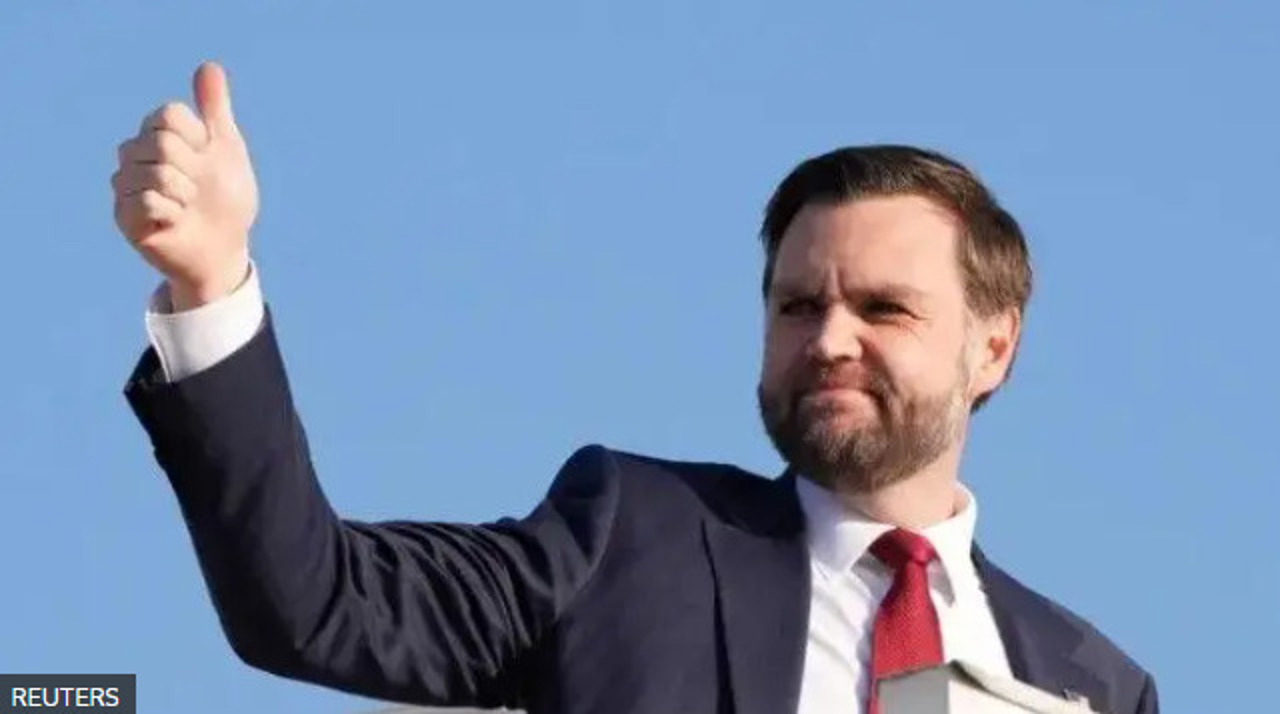
U.S. Vice President J.D. Vance departed Pakistan on Sunday following the collapse of high-stakes negotiations with Iranian officials. The marathon 21-hour session failed to produce a ceasefire agreement or a breakthrough regarding Tehran’s nuclear program.
The nuclear deadlock
Vice President Vance confirmed that the United States and Iran moved no closer to a resolution during the Islamabad summit. According to Vance, Tehran refused to accept U.S. conditions, specifically failing to provide a "fundamental commitment" to halt its nuclear weapons development.
"We had a series of substantive discussions with the Iranians; that is the good news," Vance stated. "The bad news is that we did not reach an agreement, and I believe this is much worse news for Iran than for the United States."
Diplomatic standoff
The Vice President emphasized that preventing Tehran from acquiring nuclear capabilities remains the primary objective of the Trump administration. He noted that despite the lengthy discussions, Washington saw no clear path toward Iranian compliance with international security standards.
The atmosphere in Islamabad was described as tense, with the American delegation exiting shortly after the final session. The failure to secure a peace deal leaves the regional conflict in a state of volatile uncertainty.
Trump claims victory
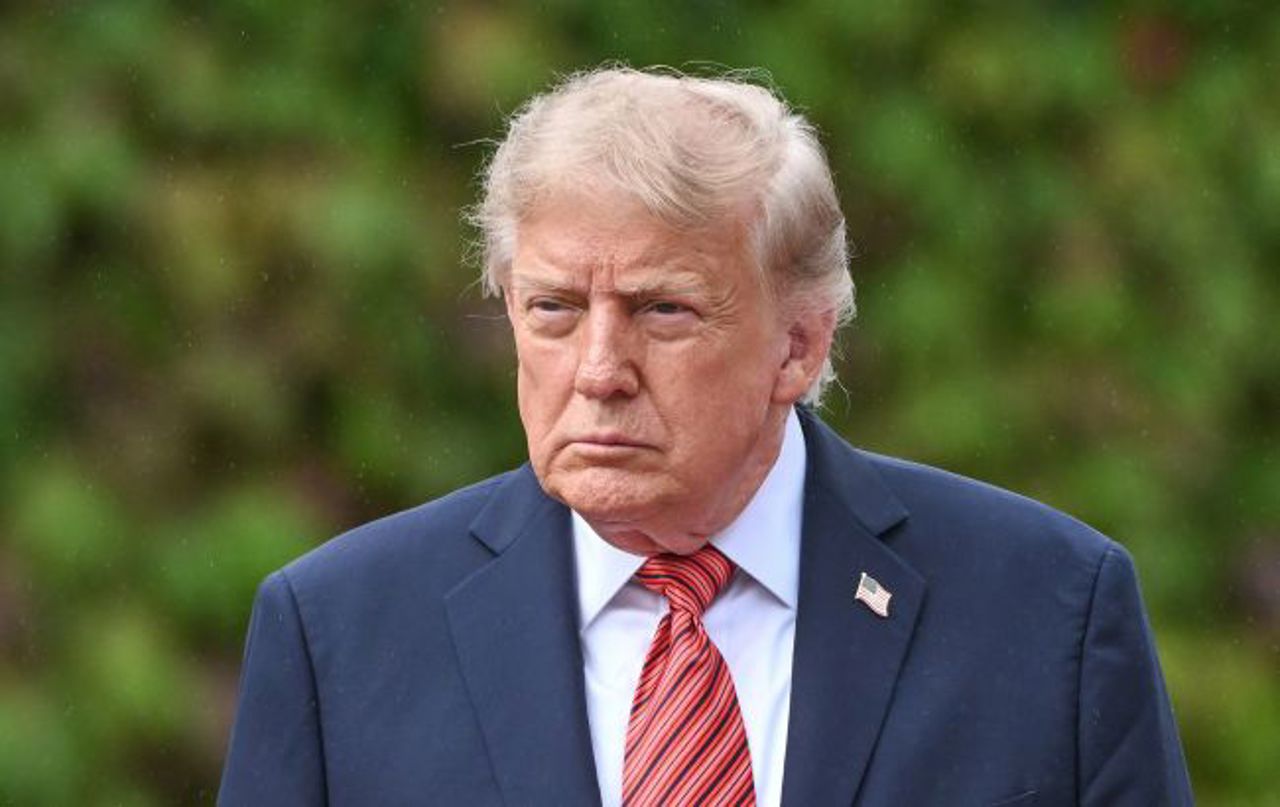
Despite the diplomatic impasse, President Donald Trump expressed total confidence in the U.S. position. Speaking to reporters on the White House lawn, Trump dismissed the necessity of a formal document, asserting that Washington has already secured a strategic advantage.
"It doesn't matter to me whether we reach a deal or not. What matters is that we won," Trump said. "We have completely defeated this country," he added, referring to the current geopolitical standing of Iran.
Translation by Iurie Tataru