Orban’s exit from Brussels opens door for sweeping EU veto reforms
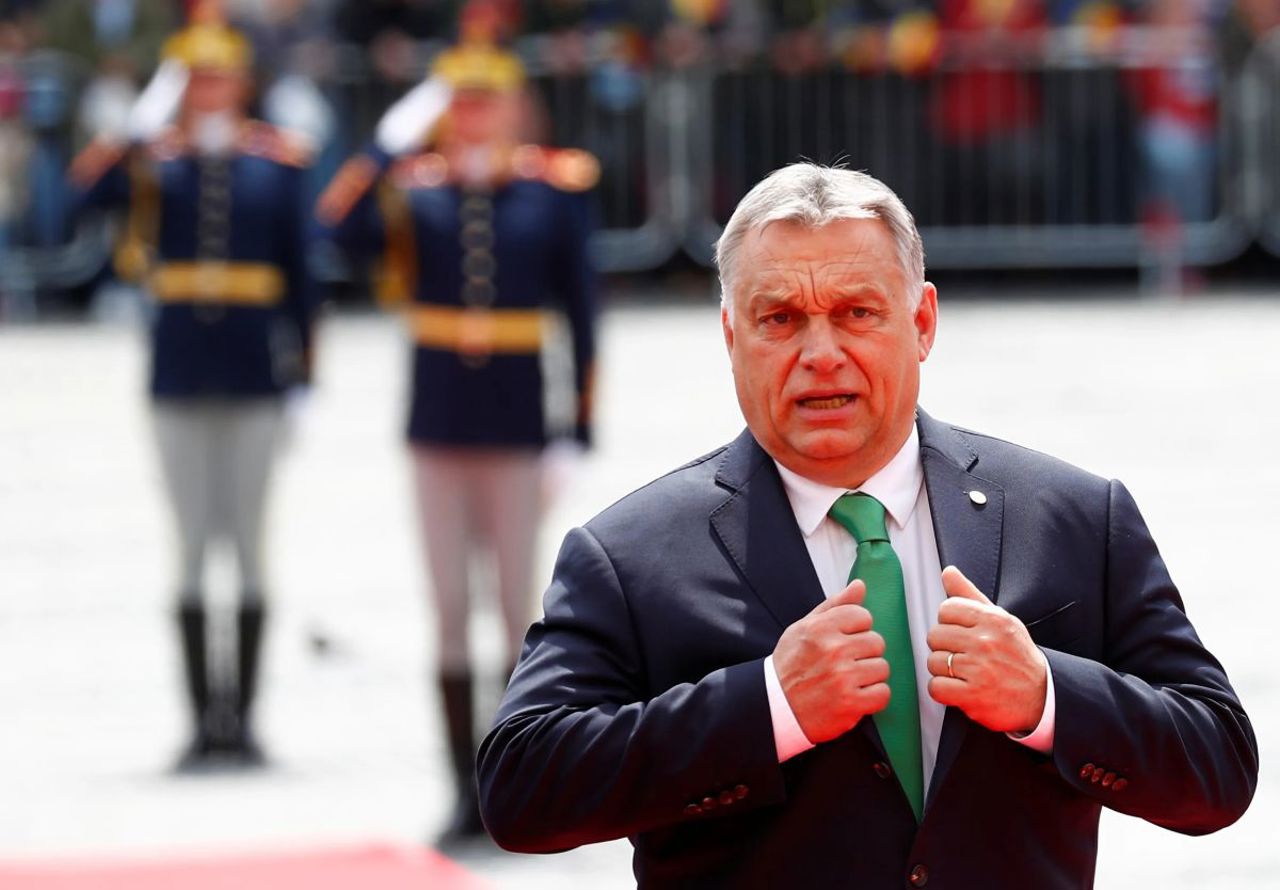
Outgoing Hungarian Prime Minister Viktor Orbán will be absent from next week's informal EU summit in Nicosia, Cyprus. This unprecedented move skips the traditional "farewell ceremony" usually afforded to long-serving European Council members.
The decision follows Orbán’s decisive electoral defeat last Sunday. While he remains in office until Péter Magyar assumes the premiership in May, his refusal to attend the Cypriot summit signals a cold conclusion to a 16-year tenure defined by systemic friction with Brussels.
The legacy of the veto
Orbán’s absence marks the end of an era for the European Council’s most senior member. Over his tenure, Hungary became the primary source of legislative gridlock, accounting for 21 of the 48 total vetoes exercised by member states in EU history.
His departure is expected to immediately unblock €90 billion in joint EU loans for Ukraine. Incoming leader Péter Magyar has already signaled a reversal of Budapest’s stance on Kyiv, though he remains cautious on Russian energy imports and migration.
A window for systemic reform
The vacancy left by Orbán has reignited the debate over the "unanimity rule." European Commission President Ursula von der Leyen recently suggested that the EU should capitalize on this momentum to transition toward Qualified Majority Voting (QMV) in foreign policy.
"Moving to majority voting is essential to avoid the systemic bottlenecks we have witnessed," von der Leyen stated. This sentiment is echoed by German MEP Daniel Freund, who described the current reliance on unanimity as a "security risk" that allows single states to paralyze the bloc.
The road ahead
However, the shift away from the veto remains contentious among smaller member states. Critics argue that abandoning unanimity could undermine national sovereignty and leave smaller nations vulnerable to the will of larger powers.
As the EU prepares for the Nicosia summit, the focus shifts from one man’s resistance to the structural resilience of the Union. Whether the "Orban era" was the cause of EU paralysis or merely a symptom of flawed treaties remains the defining question for the next Commission mandate.
Translation by Iurie Tataru