Securing Europe and the NATO Summit highlighted at the Antalya Diplomacy Forum
The agenda for the Diplomacy Forum in Antalya, Turkey, included several panel discussions covering regions around the world, including Europe. One of the topics discussed was "Securing Europe: Unity and Strategic Renewal on the Eve of the NATO Summit in Ankara".
NATO Deputy Secretary General Radmila Shekerinska, along with the Minister of Foreign Affairs of Latvia, Baiba Braze, the Minister of Foreign Affairs of Lithuania, Kęstutis Budrys, and the Deputy Minister of Foreign Affairs of Turkey, Zeki Levent Gümrükçü, addressed the critical security landscape of Europe on the eve of the NATO Summit in Ankara.
According to a press release from the Forum, "The war in Ukraine, uncertainties about the sustainability of U.S. commitment, and the EU’s ambitions for strategic autonomy have intensified debates on deterrence, burden-sharing, and collective defense.” Emerging challenges, such as cybersecurity and hybrid threats, alongside more conventional issues, further emphasize the complexity of the current situation. As NATO leaders prepare for the meeting in Ankara, the Summit is particularly significant for shaping the future of European security and strengthening the Alliance’s role in enhancing collective defense.
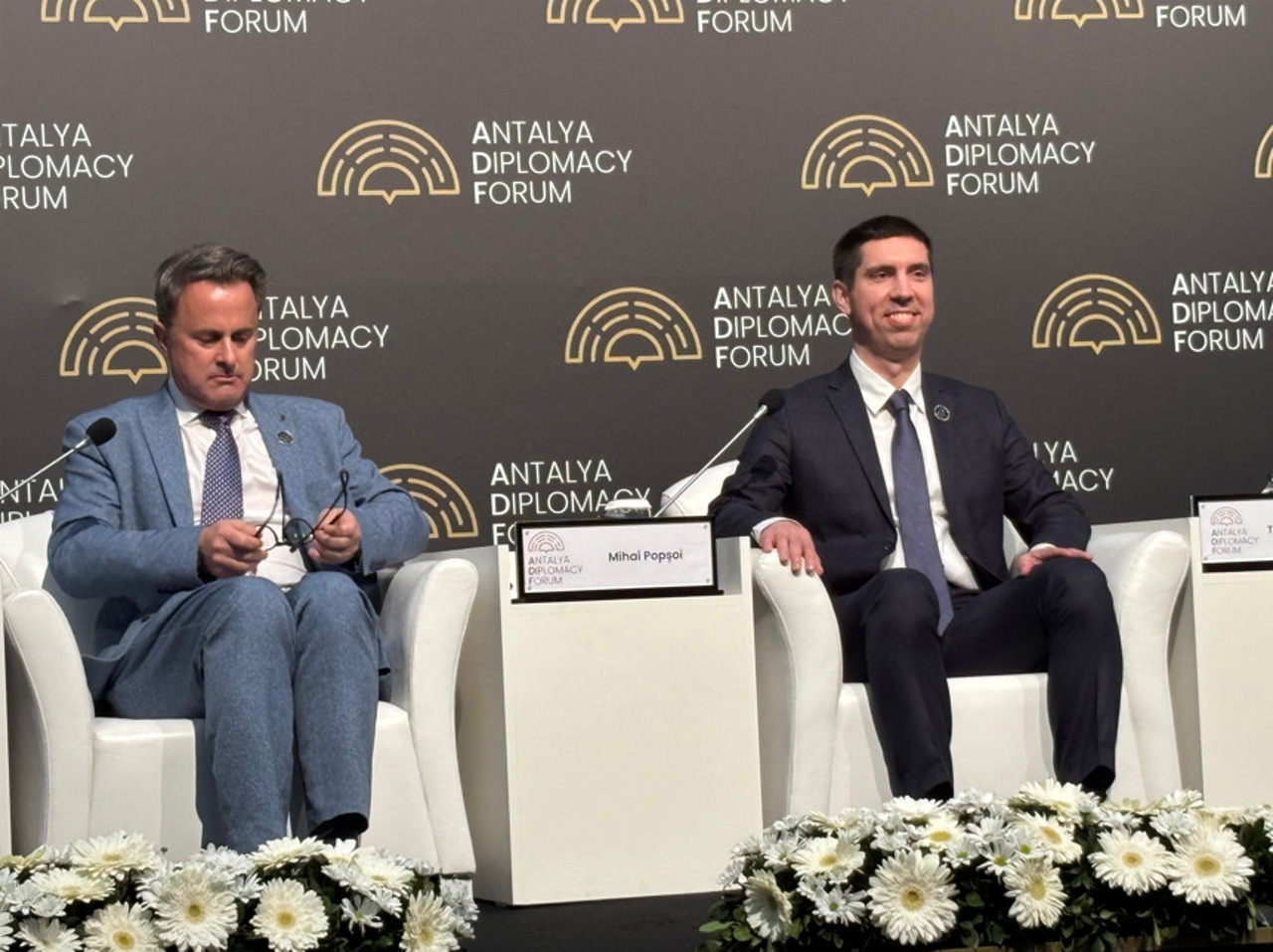
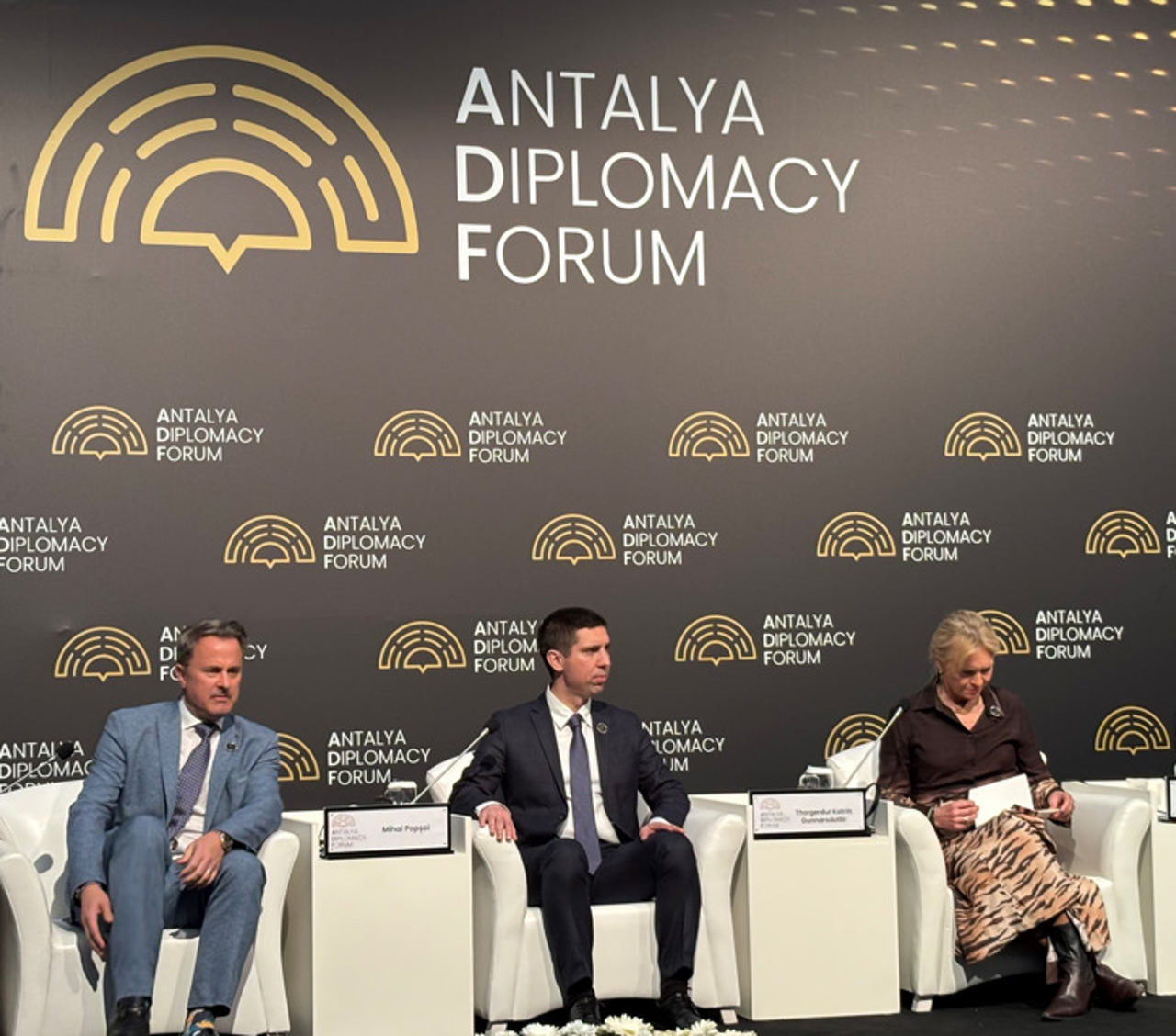
In a separate panel discussion titled "European Competitiveness in an Age of Uncertainty", organizers highlighted that Europe is facing increasing structural and competitive pressures during this era of deepening geopolitical uncertainties. The panel explored strategies for Europe to strengthen its economic position through enhanced regional cooperation, a broader economic perspective, and increased collaboration with key partners across the continent. Among the Speakers was the Deputy Prime Minister and Minister of Foreign Affairs of Moldova, Mihai Popșoi, alongside his counterparts from Luxembourg, Ireland, Iceland, and Turkey.
As in previous editions, the Forum addressed environmental issues. This year's theme focused on strengthening climate action amid geopolitical changes. The decision to revisit this theme was driven by the reality of deep geopolitical tensions and rising uncertainty, where climate action risks being overshadowed by immediate economic and security concerns.
The agenda also included discussions about artificial intelligence, particularly the geopolitics of AI in a techno-polar world, as it reshapes global power dynamics and redefines sovereignty. Speakers noted that technological advancements are transforming diplomacy, strategic agency, and global governance. They concluded that control over data, algorithms, and digital infrastructure now has as much influence on international politics as territory or military force.
On the second day of the Forum, discussions concentrated on the Middle East, a region crucial to global politics. One of the key conclusions was that the region is facing military clashes, humanitarian challenges, forced displacement, food insecurity, and other disruptions. This panel brought together policymakers to explore these transformations and their implications, aiming to chart a common and prosperous future for both the Middle East and the global community.
Additionally, the Minister of Foreign Affairs, Mihai Popșoi, conducted an interview with Radio Moldova, which is available for listening below.
Author: Anatol Caciuc