Moldova to sue Russia for billions over river pollution
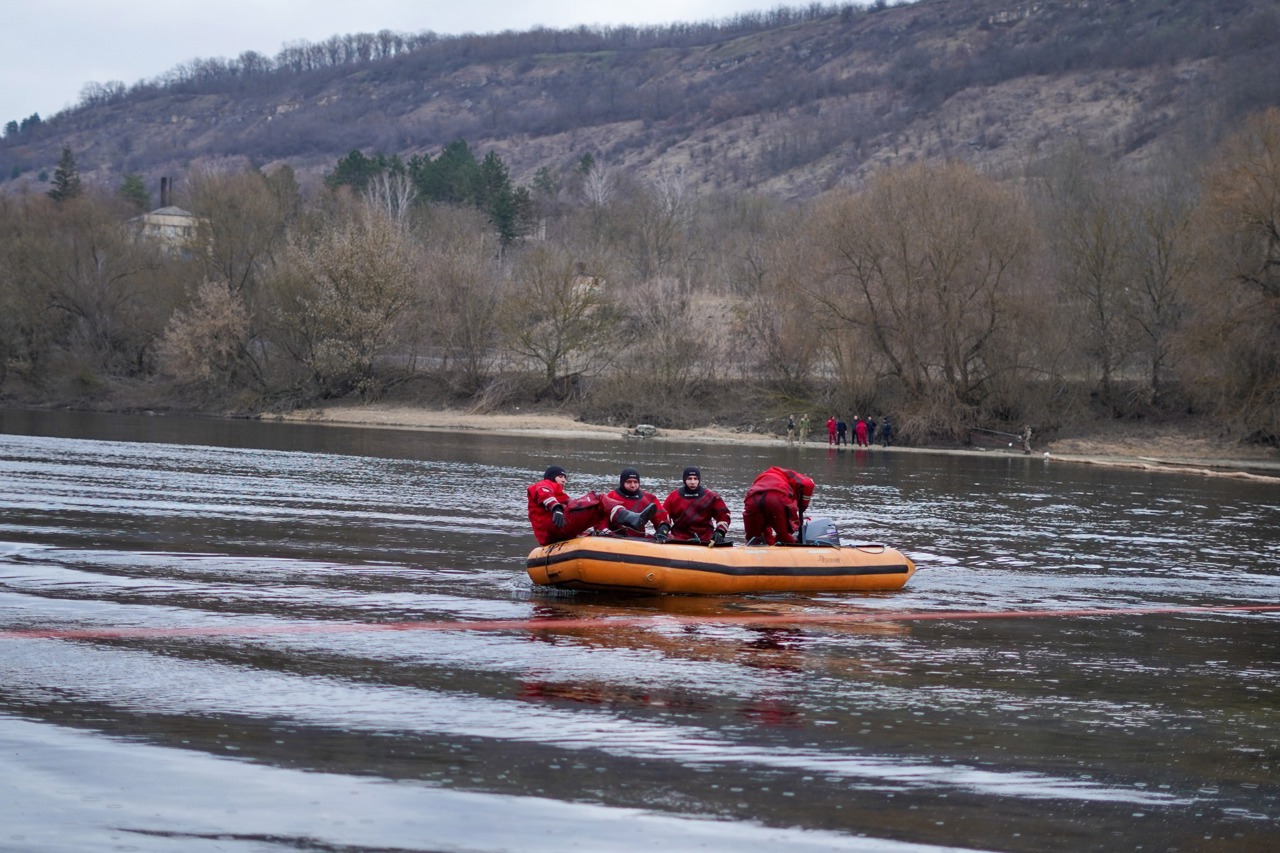
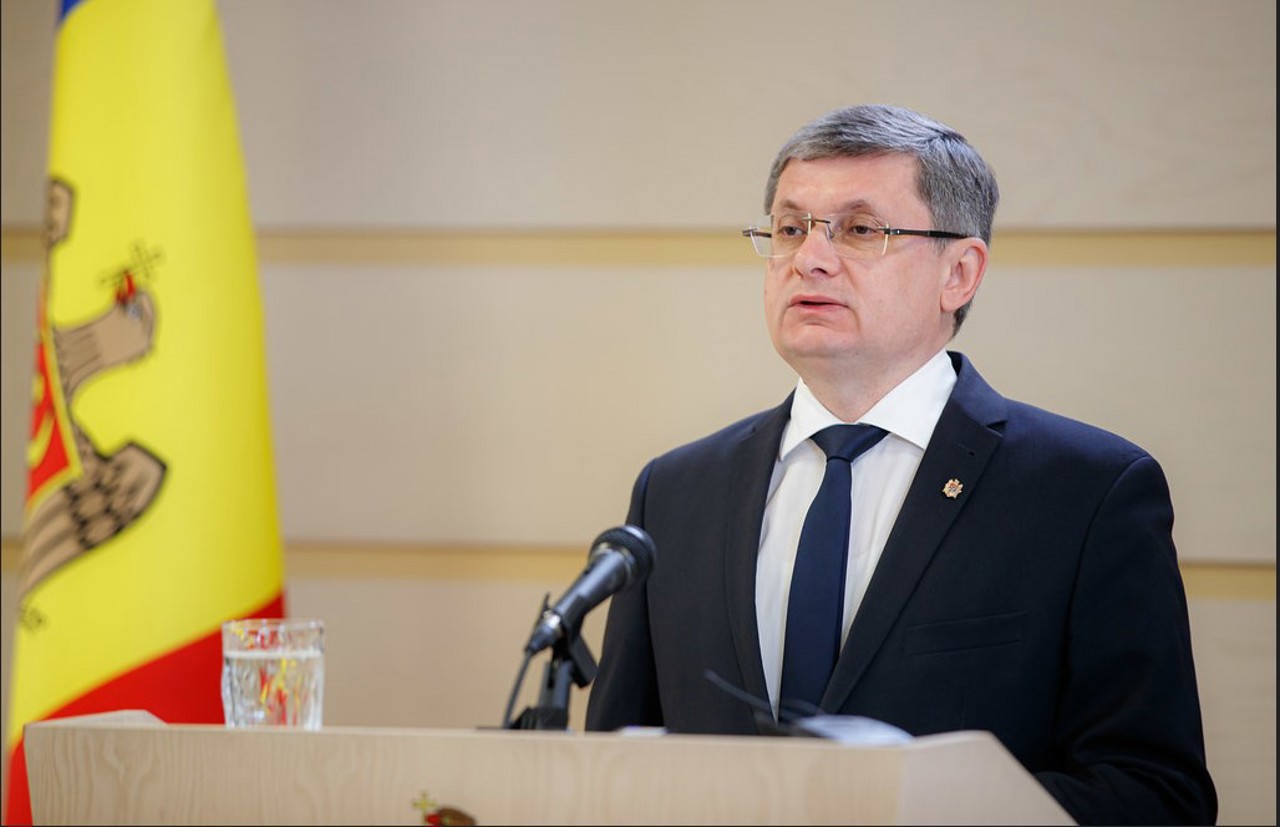
Environmental authorities in Moldova have contained the recent oil spill on the Dniester River, though long-term monitoring remains in effect. While the primary leak has stopped, Minister of Environment Gheorghe Hajder warns that toxic residues persist along the riverbanks and within aquatic vegetation.
Official estimates suggest environmental damages could reach several billion lei (approx. €50.7 million for every billion MDL). Final calculations are currently being finalized to form the basis of a formal reparation claim against the Russian Federation, following its March 7 attacks on the Novodnestrovsk Hydroelectric Power Plant.
Strategic infrastructure response
Minister Hajder announced a new national security project to establish a network of regional response hubs along the Dniester and Prut rivers. These facilities, located in Costești-Stânca, Chișinău, and a southern site, aim to ensure specialized teams can reach any pollution point in less than 90 minutes.
"The spring 2026 incident demonstrated the urgent need to bolster our technical and institutional reaction capacity," Hajder stated. He emphasized that the ongoing war in Ukraine continues to pose severe risks to Moldova's regional water and environmental infrastructure.
Legal and ecological monitoring
Laboratory results from both Moldova and Romania confirm the presence of petroleum-based pollutants, though no heavy metals have been detected. The Environmental Protection Inspectorate is documenting daily ecological impacts to build a comprehensive case for international compensation.
The current crisis follows a 15-day state of environmental emergency declared on March 16. The initial spill led to significant water shortages in northern Moldova, a crisis only resolved through emergency assistance from the European Union and Romania.
Recent rainfall and rising water levels on April 3 caused a secondary wave of pollution near the Unguri bridge. Authorities explain that higher flows dislodged oil trapped in riverside vegetation, highlighting the persistent nature of the ecological damage.
Translation by Iurie Tataru