State of emergency lifted, but restrictions remain; limited exports via Giurgiulești Port
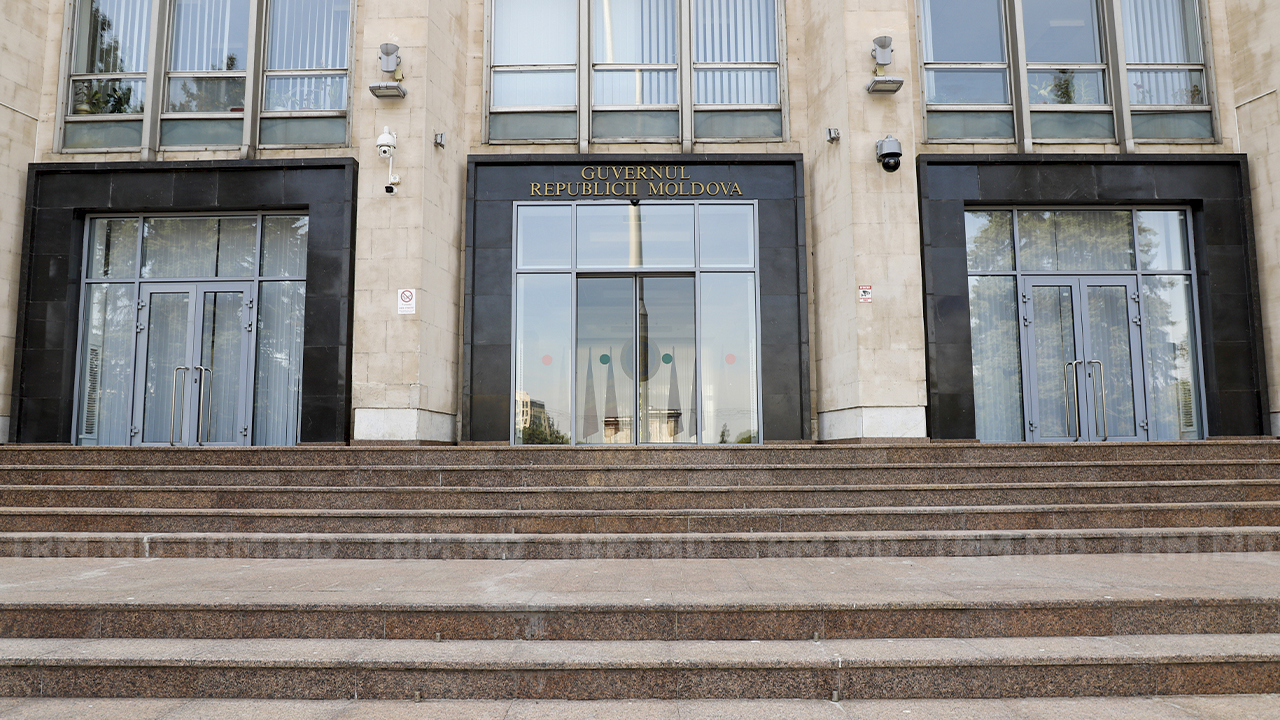
The government plans to present a proposal to Parliament to repeal the state of emergency in the energy sector, effective April 25. This date will mark one month since the emergency was declared. Following the repeal, the government will transition to an alert state for 60 days.
Prime Minister Alexandru Munteanu stated at the beginning of the meeting on April 22 that the interventions made during the state of emergency helped stabilize the system and eliminated imminent risks. He emphasized that given the complicated international situation, the authorities remain cautious. The proposed state of alert is intended as a "preventive measure" to enable a quick response "only when necessary," as specified by the Prime Minister.
While presenting the draft decision, the director of the National Crisis Management Center (CNMC), Serghei Diaconu, noted that the establishment of the state of emergency provided solutions that, under normal circumstances, "would have taken months." He highlighted the restoration of critical infrastructure, noting that the Vulcănești-Isaccea power line, severely damaged on March 23, was repaired within five days.
Diaconu stated, "The establishment of the state of emergency led the Ukrainian side to utilize equipment from their emergency reserves. Without this availability, restoring the infrastructure would have resulted in significantly higher import and logistics costs for replacement equipment, as well as additional expenses for emergency air delivery of the equipment."
According to Diaconu, massive disconnections that could have been avoided would have cost the economy up to 0.02% of the Gross Domestic Product for each hour of outage. He added, "When the Vulcănești-Isaccea line was taken out of service, we risked disconnections and an increase in costs. Under normal circumstances, such a crisis would have forced us to purchase emergency power, which is twice as expensive. However, by utilizing the instruments available during the state of emergency, we prevented this situation, allowing Energocom to procure energy through commercial channels at a price approximately half that of emergency power."
The authorities explained the need to return to a state of alert to maintain fuel stocks at necessary levels and to monitor and adjust prices, particularly in light of vulnerabilities in the Strait of Hormuz and the ongoing risk of Russian attacks on Ukrainian energy infrastructure.
"The state's actions were guided by a single objective: to ensure that citizens do not feel the burden of the crisis, whether through disconnections or a lack of products at the pump. The results indicate that we have successfully protected the public interest. An analysis of risk indicators shows that, although the critical phase has passed, continual management and monitoring of petroleum product stock levels remain essential," justified the director of the National Crisis Management Center.
During the state of alert, the diesel price calculation mechanism will be based on a seven-day average, in response to the volatility caused by the crisis in the Middle East, rather than on the previous 14-day mechanism. Additionally, rigorous market monitoring will continue, including daily stock reports and planning for 30-day imports with weekly updates.
The Customs Service will allow exports from the Port of Giurgiulesti only if diesel stocks exceed 25,000 tons and gasoline stocks exceed 2,500 tons. Furthermore, petroleum products that are already within the country cannot be re-exported.
"We will also maintain green corridors for priority customs clearance of imports to ensure the smooth flow of stocks at filling stations. The Moldelectrica enterprise will set export capacity to zero between 17:00 and 21:00, ensuring that available energy is primarily directed toward household consumers and public institutions. In addition, we will maintain lists of vital consumers who will receive absolute priority in supply during any unforeseen system deficits," said the director of the National Crisis Management Center.
Public building administrators are still required to reduce indoor lighting by 30% and limit elevator and escalator use during peak hours to alleviate pressure on the national system and reduce budgetary expenses.
Before the Government meeting, Energy Minister Dorin Junghietu mentioned that the situation in the Middle East requires continued caution, even though oil prices are declining. He specified that current fuel stocks cover 21 days of gasoline consumption and 11 days of diesel consumption.
Between April 18 and 20, over 4,000 tons of diesel and nearly 1,200 tons of gasoline were imported.