Moldova to cut 900 town halls for EU-ready efficiency
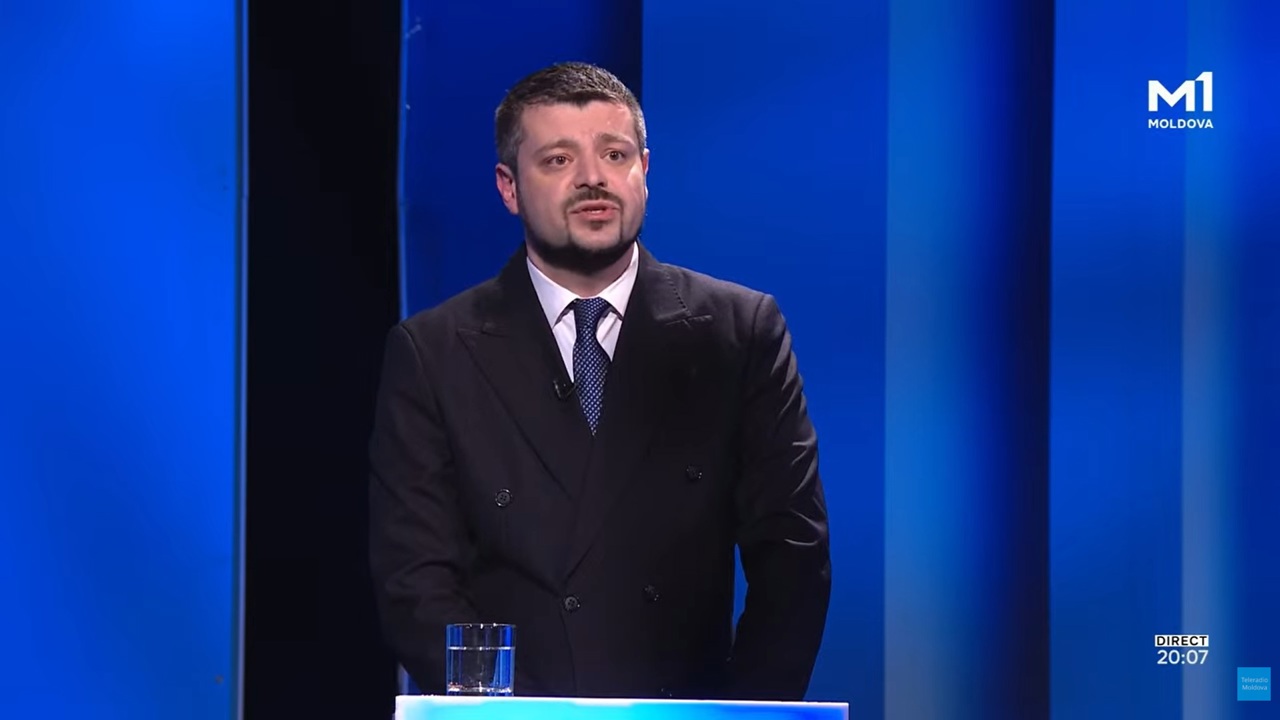
Public administration reform is an existential necessity for Moldova’s European integration, but it must transcend simple map-drawing. Alexandru Bujorean, the Mayor of Leova, warns that the process requires systemic transparency and a simultaneous downsizing of the central government.
Speaking on Moldova 1, Bujorean emphasized that the current "voluntary amalgamation" process—where smaller localities merge to gain efficiency—is a path previously cleared by other EU accession states. He noted that even economically stronger nations like Romania can no longer sustain highly fragmented local administrations.
A model for national merging
Leova, alongside the villages of Sârma, Tochile-Răducani, and Sărata-Răzeși, stands as a pioneer in this reform. Their successful voluntary merger is now being studied by other regions, including Ungheni, as a blueprint for professionalizing local services.
However, the Mayor expressed concern regarding the current national focus. He argues that while local town halls are being forced to optimize, the central government remains bloated with inefficient agencies that fail to deliver during social or economic crises.
The 3,000-resident threshold
The reform targets Moldova’s 900 local government units, many of which lack the fiscal capacity to operate without state subsidies. The government’s strategy introduces a minimum threshold of 3,000 residents per unit to ensure financial viability.
To encourage this transition, the central authorities have promised to triple financial incentives for merging localities. The ultimate goal is to reduce the number of town halls by two-thirds, ensuring that administrative costs do not swallow budgets meant for infrastructure and public services.
Translation by Iurie Tataru