EESC President: EU and Moldova must act together to increase wages
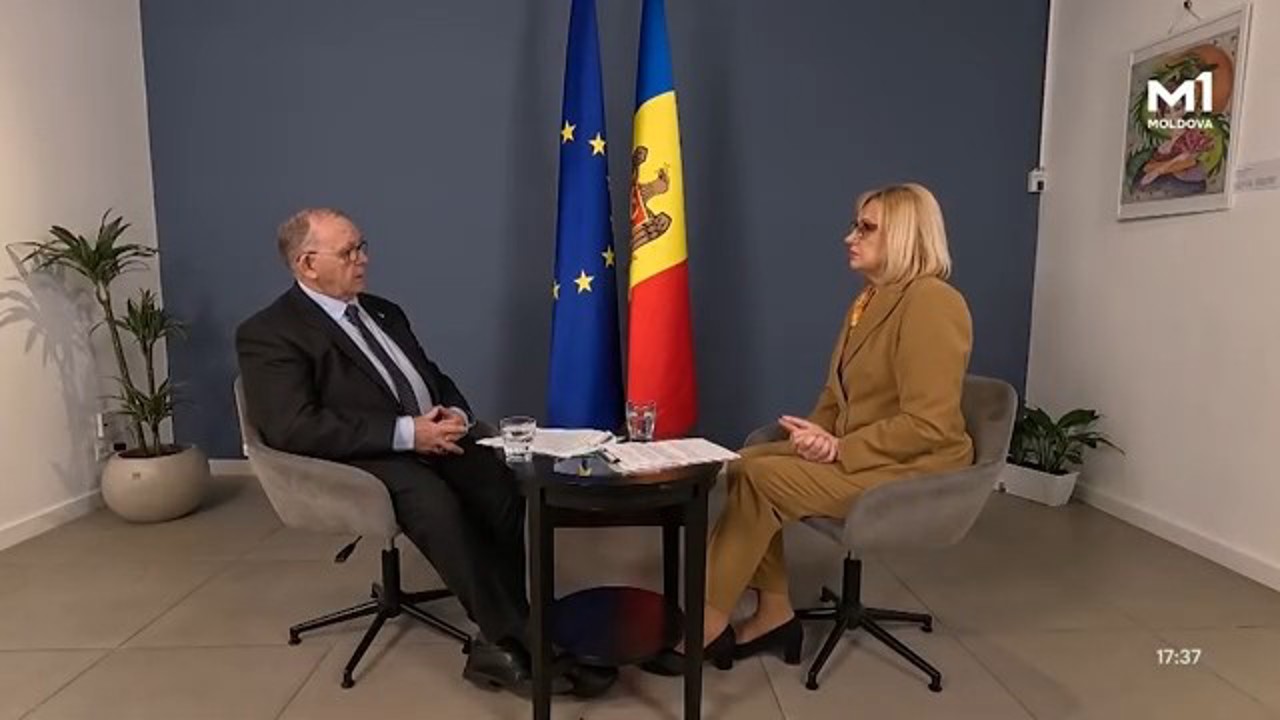
The Republic of Moldova needs to develop an economy that provides better wages. Keeping wages at the current level is not beneficial for either the Government or employers. This message was communicated by Séamus Boland, the President of the European Economic and Social Committee (EESC), who stresses the importance of collaborative efforts from all stakeholders.
“The European Union and the Republic of Moldova must collaborate to improve wage opportunities, aiming for remuneration levels that match the European Union average. Achieving this is not a simple task; it requires close cooperation with employers and economic development,” said Séamus Boland in an interview with the “Dimensiunea Diplomatica” program on Moldova 1.
Higher wages are contingent on a more prosperous economy and an increased Gross Domestic Product (GDP). Conversely, low wages lead to low pensions and perpetuate poverty. Boland highlighted Ireland, which began with a low economic standing.
“In my home country of Ireland, we started from a very low economic level, and our growth took time. We were once the poorest country to join the European Union, but the situation changed due to the collective efforts of all involved parties,” Boland stated.
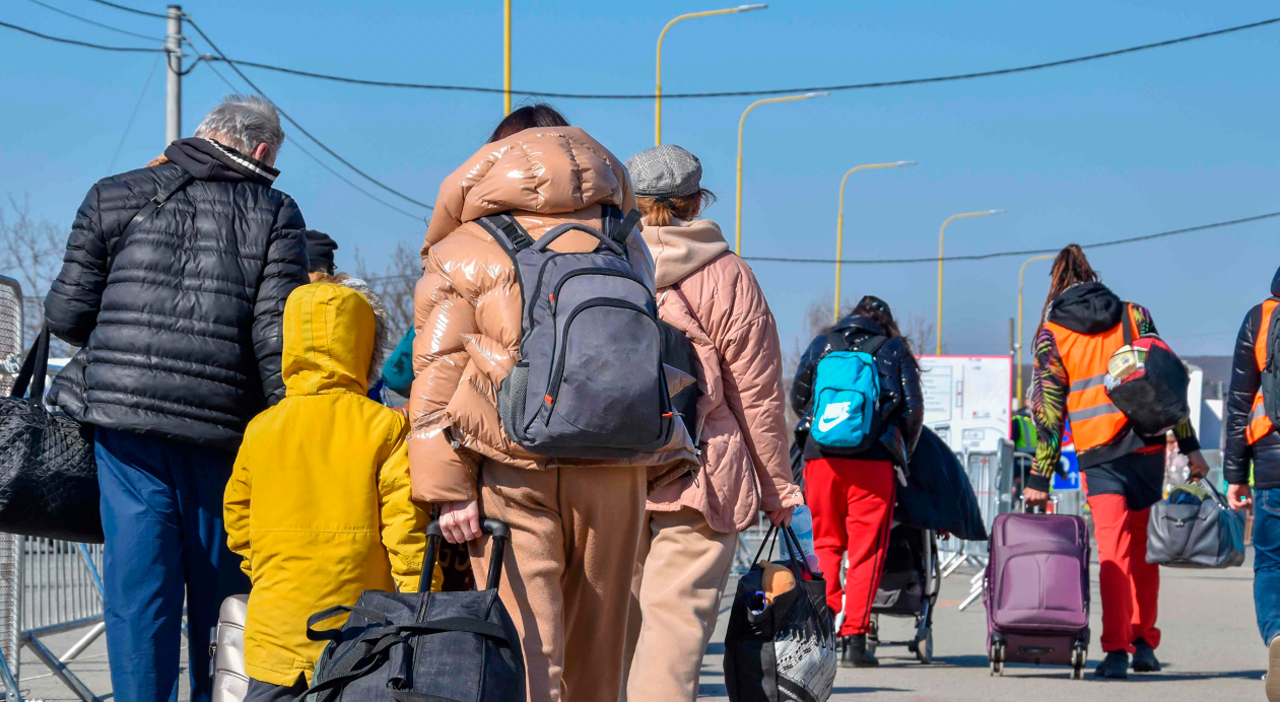
Eradicating poverty is one of the key priorities of the European Economic and Social Committee (EESC). The poverty rate in the Republic of Moldova, estimated at 33%, is “far too high,” according to Boland, who advocates for targeted and effective measures.
“The European Commission has adopted an anti-poverty strategy that will be launched in the coming weeks. I have encouraged its applicability to candidate countries like the Republic of Moldova. A poverty rate of 33% is excessive, and even a rate of 20% in the European Union remains significant. An expanded multiannual financing framework is necessary, which would include additional measures to combat poverty,” the official said.
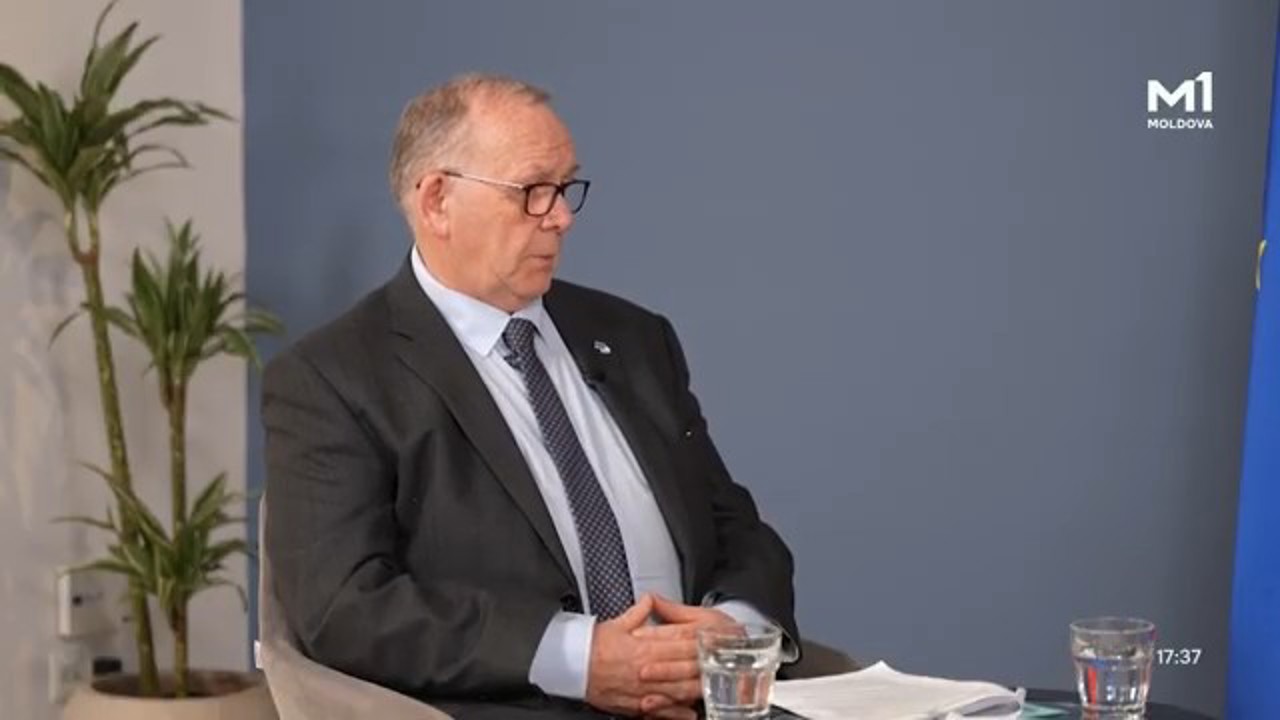
With over 40 years of experience in civil society, the President of the European Economic and Social Committee (EESC), Séamus Boland, emphasized the essential role that civil society plays in the reform process and its relations with authorities.
“Civil society organizations have direct experience on the ground. They work with people and help them overcome difficulties. Without an engaged civil society, it is almost impossible to build a strategic effort that encompasses the entire population,” said Boland.
He stressed the importance of actively listening to transparent organizations, particularly regarding funding and the representation of beneficiaries.
“There are organizations that represent individuals with disabilities or minority groups; they must be heard. Conversely, non-transparent or poorly structured organizations are often difficult to include in the dialogue. It is crucial to amplify the voices that advocate for women's rights, gender equality, and workers' rights,” he added.
The EESC, which Boland has chaired since October 2025, is a consultative body of the European Union that serves as a bridge between European institutions and citizens, facilitating the involvement of economic and social actors in the decision-making process.
“The civil society platform unites trade unions, employers’ associations, and civic organizations, becoming a central player in the dialogue with the European Union. A similar mechanism is needed in the Republic of Moldova, as well as in other candidate countries,” Boland noted.
According to him, such a platform is an ideal setting for identifying solutions to combat poverty, improve living standards, and promote fundamental rights.
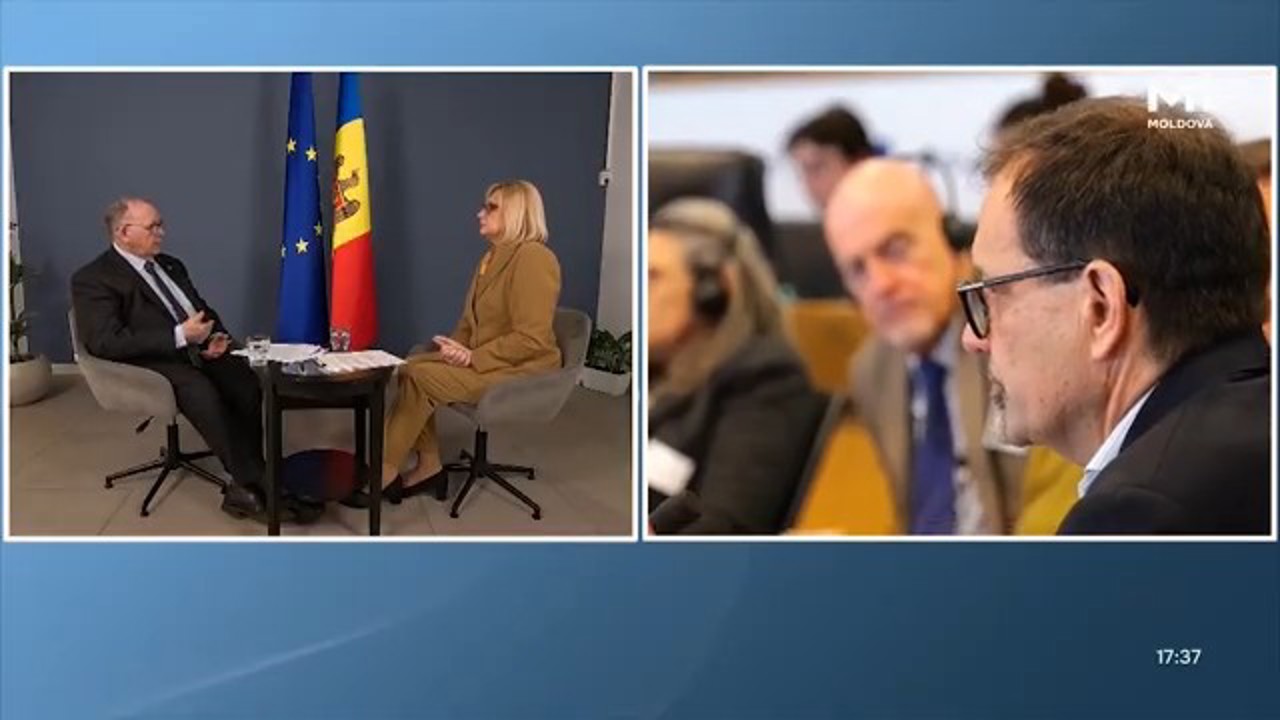
Séamus Boland emphasized that Moldova's prospects of joining the European Union by the end of the decade reflect a geopolitical necessity for EU enlargement. He noted that Chisinau is making significant progress on its European journey.
"Europe must remain strong, and the candidate countries must also be ready. This requires a steadfast commitment to reforms. I am optimistic about Moldova, provided it keeps up its current pace," said the leader of the European Economic and Social Committee (EESC), highlighting the importance of achieving social consensus.
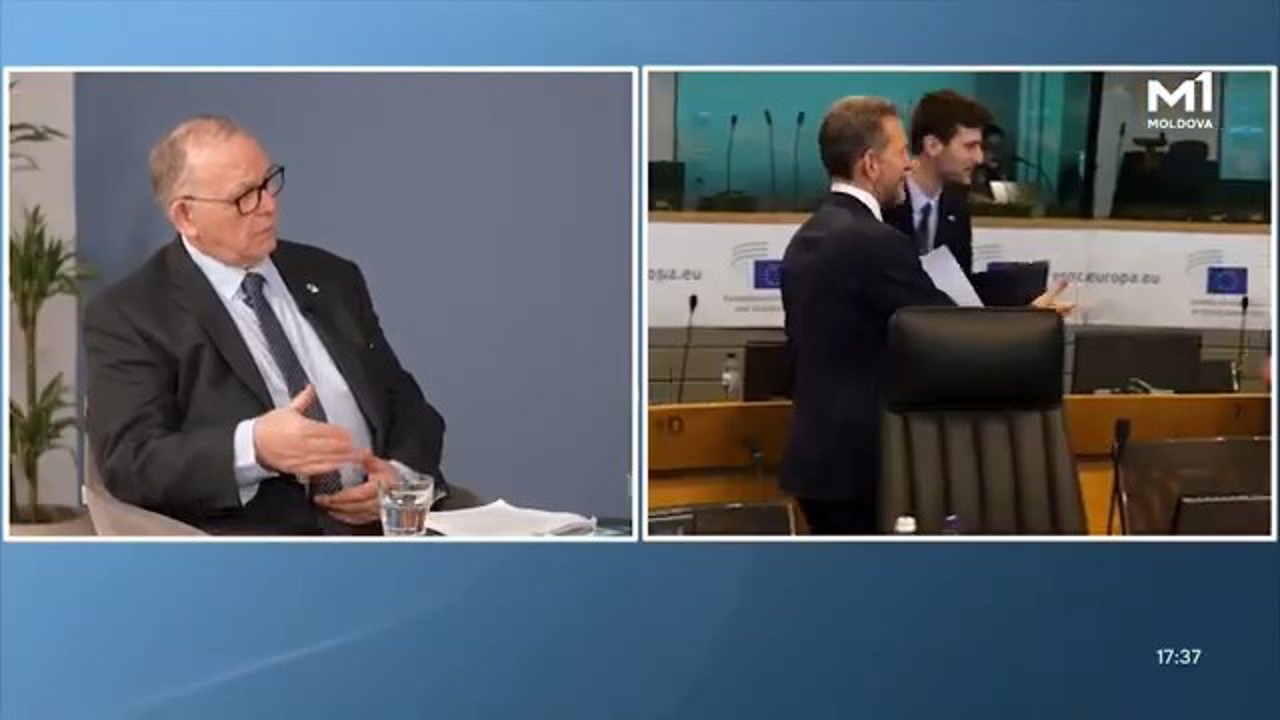
Established in 1957, the European Economic and Social Committee (EESC) serves as a platform for representatives from various sectors, including employers, workers, farmers, consumers, and non-governmental organizations. Its primary goal is to ensure that European legislation accurately reflects economic and social realities and fosters participatory democracy.
The EESC comprises 329 members from 27 European countries who operate independently of national governments. They leverage their expertise to provide essential recommendations to the European Parliament, the Council, and the European Commission on a wide range of topics, from industrial policies to youth initiatives.
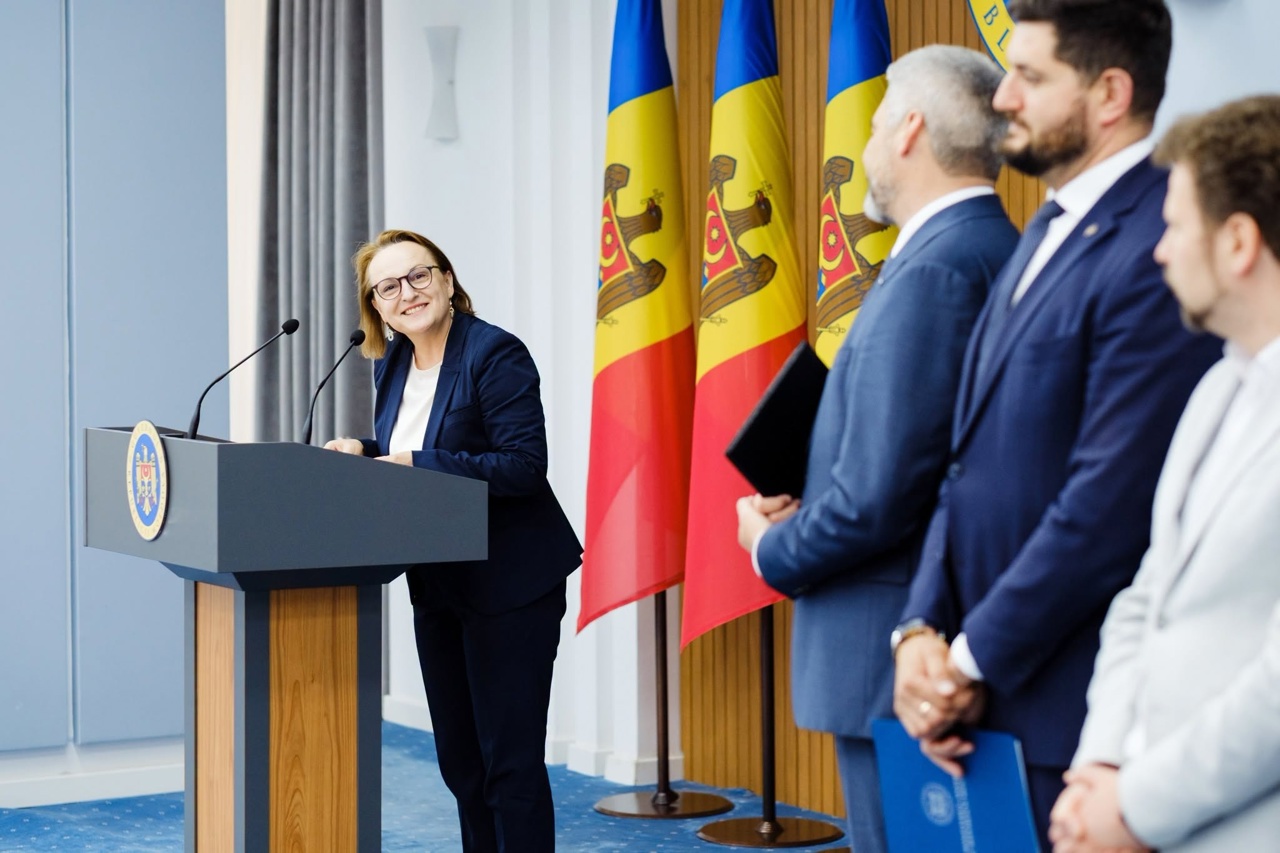
During his visit to Chisinau, Séamus Boland met with Maia Sandu, the President of the Republic of Moldova, as well as other officials.