Moldova backs farms amid global oil shock
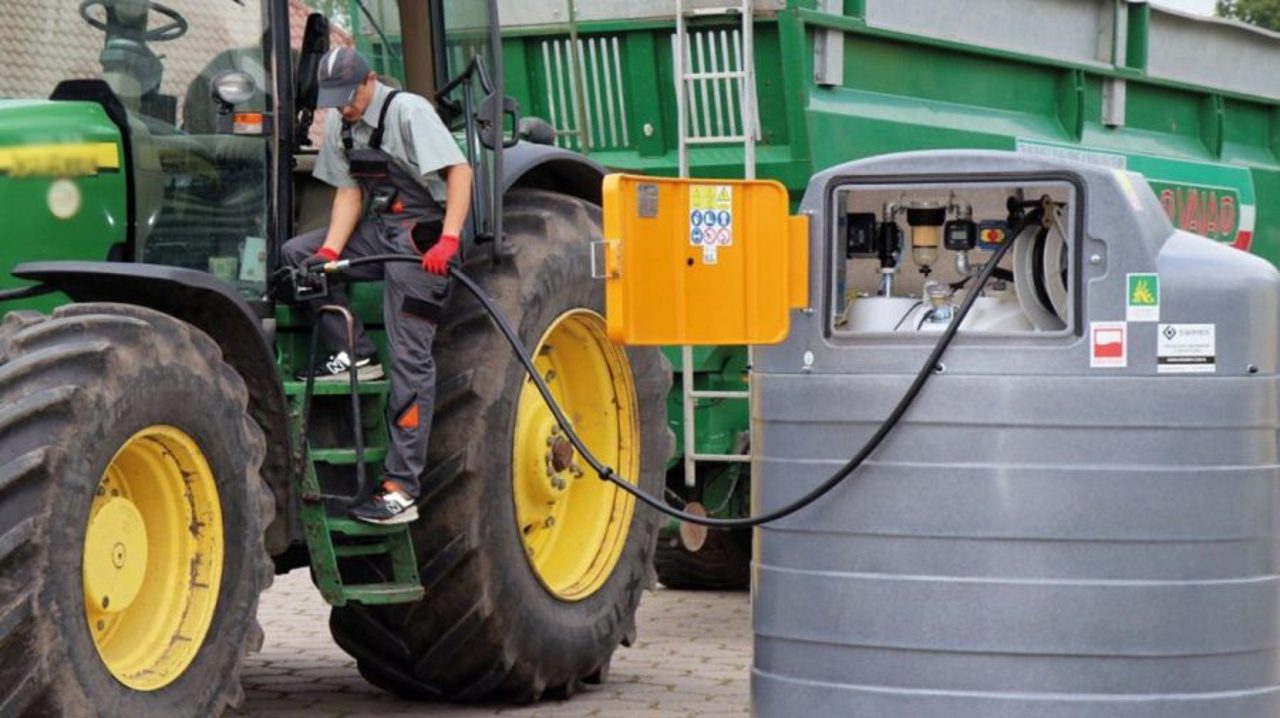
The Moldovan government will allocate €5.61 million (approx. 110 million MDL) from its Reserve Fund to subsidize diesel costs for farmers between March 1 and May 31. This emergency stabilization measure is scheduled for approval during the cabinet meeting on Wednesday, April 29.
The Agency for Intervention and Payments in Agriculture will distribute the funds to support spring operations across both crop and livestock sectors.
Geopolitical shocks hit agriculture
Authorities note that the Middle East crisis has severely destabilized domestic fuel prices. The ongoing closure of the Strait of Hormuz—a crucial transit route for global oil supplies—has driven imported diesel prices in Moldova up by over 40%, jumping from roughly 21 to 30 MDL per liter.
This sudden price surge places intense pressure on farmers who have already depleted their financial reserves following severe droughts and late spring frosts. Without state intervention, officials warn that producers might drastically cut essential investments in technology and fertilizers, jeopardizing national crop yields.
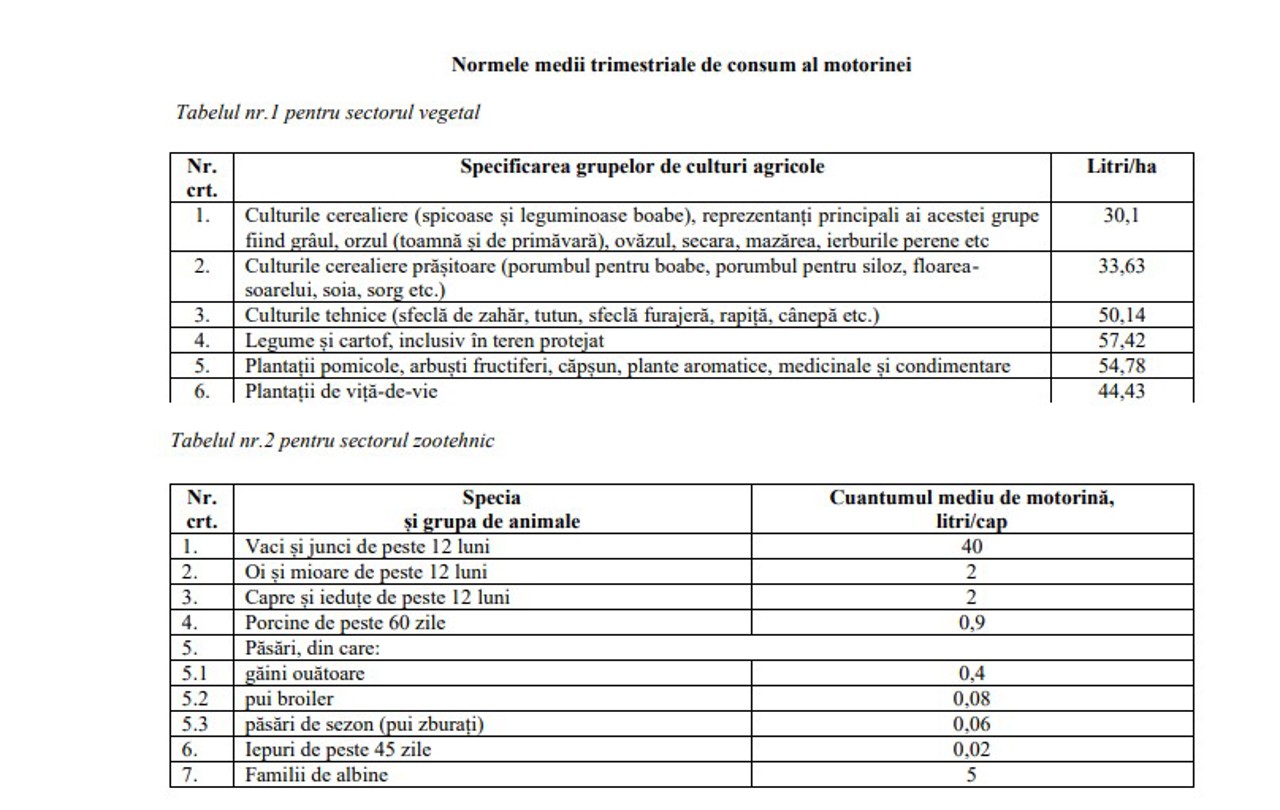
The government aims to compensate farmers at a rate of roughly 204 EUR per ton of diesel, capped at 10,204 EUR per beneficiary. Officials estimate that spring preparations require roughly 50,000 tons of diesel, representing up to 30% of operational expenses for certain crops.
Farmers warn of mass protests
Despite the temporary relief measures, agricultural producers argue the sector remains on the brink of collapse. The Farmers' Force Association reports that the grain and oilseed sectors face a profound crisis currently affecting 85% of all agricultural land.
Alexandru Slusari, the association's executive director, stated that farmers urgently need full-year diesel subsidies, not just coverage for the spring months. Producers are also demanding partial VAT refunds for diesel and fertilizers imported after March 31.
Moldova currently relies on roughly 3,200 agricultural producers, of which only 81 operate on a large scale. Over 2,100 are micro-enterprises with nine or fewer employees, leaving them highly vulnerable to global supply chain disruptions. Without direct per-hectare payments mirroring European models and access to state-backed credit, farmers warn they will resort to widespread protests.
Translation by Iurie Tataru