CFM liquidates debt as rail revenues surge 82%
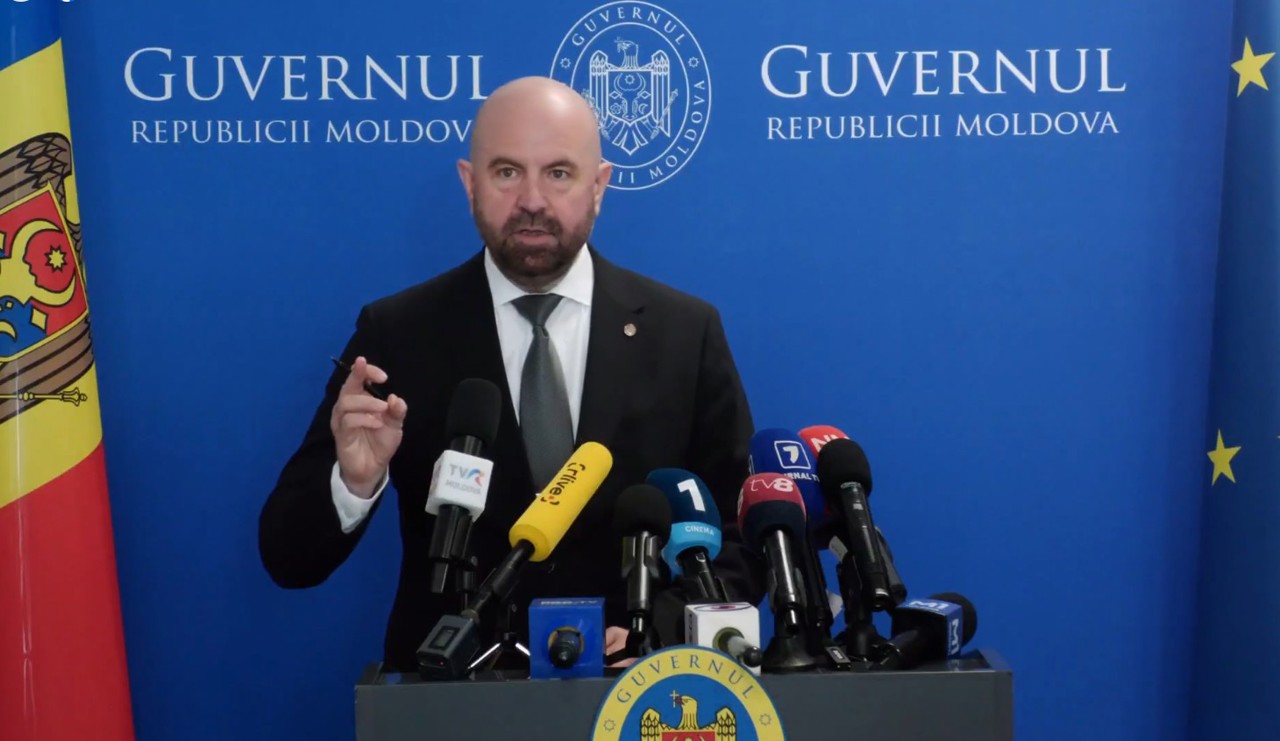
Moldova’s national railway operator, Calea Ferată din Moldova (CFM), has successfully cleared its entire historical wage debt. Infrastructure Minister Vladimir Bolea confirmed on May 6 that all outstanding salaries were paid in full by the end of April 2026.
The financial recovery follows a period of severe instability. On December 31, 2024, salary arrears stood at approximately €7.5 million (approx. 144 million MDL), representing nine months of unpaid wages. By the end of 2025, this figure was reduced to €2.5 million before reaching zero on April 30.
Revenue growth and operational stability
This turnaround was fueled by a significant surge in annual revenue, which rose from 702 million MDL in 2024 to 1.28 billion EUR in 2025. Preliminary data for April 2026 shows revenues of €12.1 million, signaling sustained financial health and improved operational predictability for the state enterprise.
Minister Bolea emphasized that the focus is now shifting toward modernization and economic expansion. "We are currently coordinating with CFM management to increase earnings and develop the enterprise to a level that allows for future salary raises," the Vice Prime Minister stated.
Strategic infrastructure and EU integration
The government is simultaneously addressing decades of neglected infrastructure. Major rehabilitation is underway on strategic segments, including the rebuilding of four kilometers of both wide and European-standard tracks. This allows Moldova to integrate more effectively into European railway routes.
Critical connections have also been restored, such as the Cantemir-Fălciu cargo line to Romania, which had been closed since 2009. Additionally, works on the Văleni-Cahul-Giurgiulești section were completed last week, involving the installation of 920 reinforcement piles to stabilize the track against landslides.
Future TEN-T electrified rail projects
A landmark project involves the construction of the first electrified European-gauge track between Iași and Ungheni. Funded 50% by EU grants and 50% by the Moldovan budget, this TEN-T compliant segment aims to provide faster, cheaper, and more comfortable transit to Bucharest and beyond.
Officials believe these investments will position CFM as a key regional logistics hub. By shifting transit from roads to rail, Moldova expects to lower logistical costs for exporters and play a vital role in the future reconstruction of Ukraine.
Translation by Iurie Tataru