Human rights violations on the left bank of the Nistru are back before the ECtHR: Strasbourg seeks explanations from Chisinau and Moscow in the Ciorba case
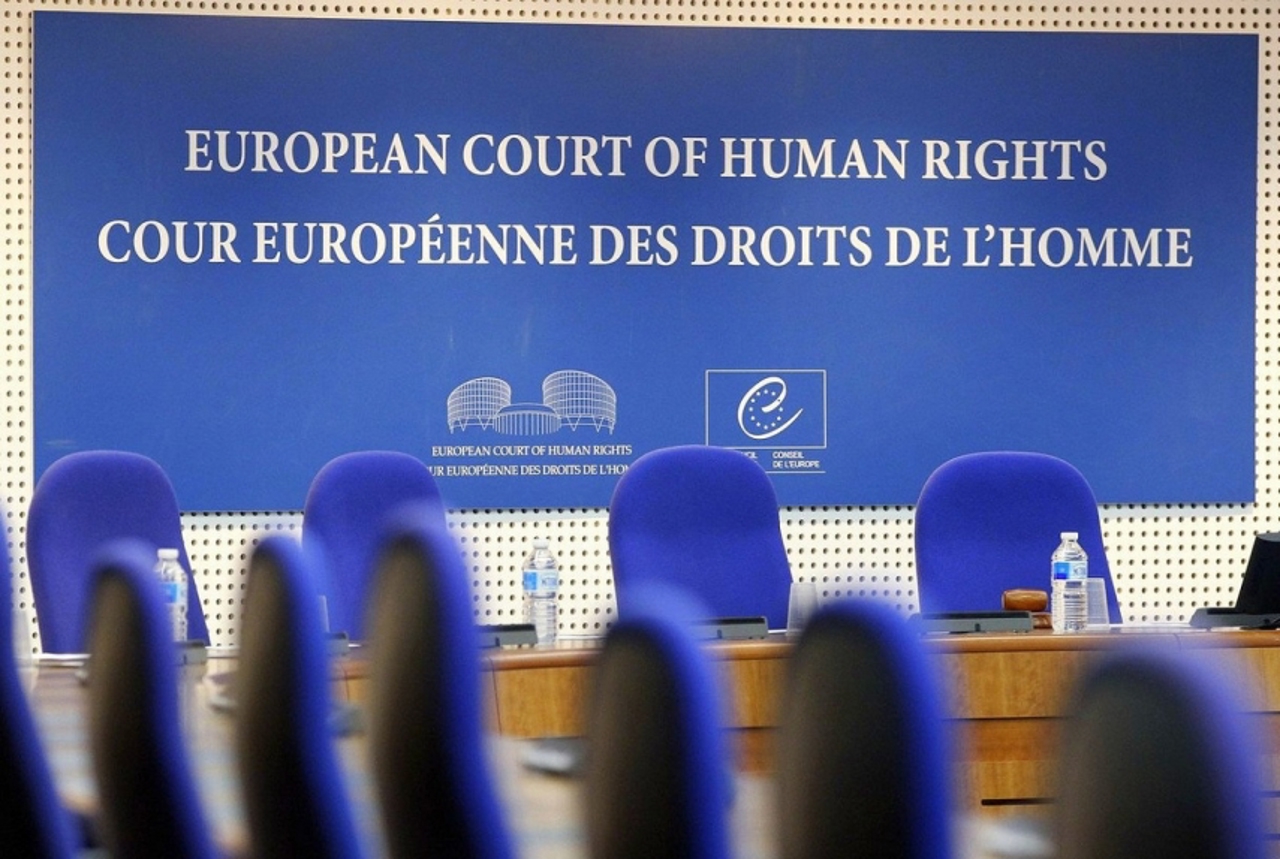
The European Court of Human Rights (ECtHR) has requested explanations from both the Republic of Moldova and the Russian Federation after Ghenadie Ciorba, the president of the organization "Transnistrian region - Our common home," reported a violation of his fundamental rights. Ciorba claims he was subjected to an arbitrary trial and has been deprived of his liberty for over a year due to his critical stance toward the separatist regime in Tiraspol.
The request was communicated to the two governments early last month and was made public on May 4.
According to the Promo-LEX Association, Ghenadie Ciorba is a former alleged minister from Tiraspol and one of the few local leaders who openly criticizes the administration in the Transnistrian region. He was deprived of his liberty for 13 months, from July 3, 2020, to August 10, 2021.
Ciorba was detained following a spontaneous protest on the bridge between Râbnița and Rezina, organized by citizens who were prohibited from crossing to the right bank of the Nistru. Initially, he was sentenced to nine days of minor arrest, but he was later detained again, facing accusations of “incitement to extremism” and “insulting the president of the TMR.”
“The charges were based on Facebook posts in which he criticized the actions of the Tiraspol administration regarding the restrictions imposed during the pandemic and the socio-economic situation in the region,” notes Promo-LEX.
On July 19, 2021, he was sentenced to three years and three months in prison, with the sentence conditionally suspended. He was released on August 10, 2021.
This sentence was classified as a “state secret” denying Ciorba access to the documents related to his case.
“This lack of access significantly hindered his right to address the Court,” emphasized representatives from Promo-LEX.
The association also highlighted inhumane detention conditions reported by Ciorba, including a lack of basic hygiene and health standards.
“The applicant described cold, damp cells, insufficient ventilation, poor-quality food, and the presence of parasites. During this time, he lost over 15 kilograms,” the defenders detailed.
In this context, the Court has posed questions to the governments of the Republic of Moldova and the Russian Federation regarding several articles of the European Convention on Human Rights. These articles include the conditions of detention, the lawfulness of the deprivation of liberty, freedom of expression, the lack of effective remedies, and the possible obstruction of the right to appeal to the Strasbourg Court.
“The communication of this case once again confirms that fundamental rights of people living in the Transnistrian region are systematically violated under the passive gaze of two responsible states. Ghenadie Ciorba's detention had a clear purpose: to punish him for his critical stance and to deter other activists in the region. The laws regarding 'extremism' and 'insulting the president of the TMR' serve as political tools aimed at silencing any inconvenient voices. The refusal to disclose the sentence under the notion of 'state secret' reflects the severe human rights situation in the region. We expect the ECtHR to clearly identify these violations and for the constitutional authorities of the Republic of Moldova and the Russian Federation to respond appropriately," declared Vadim Vieru, a lawyer from Promo-LEX.
The European Court will examine the arguments from both parties and determine whether the rights invoked in this case have been violated.
Ghenadie Ciorba became an activist on the left bank of the Nistru after previously holding several leadership roles, including Minister of Communications, where he was responsible for media in the Transnistrian region.
In early December 2025, Ciorba was stripped of his Russian citizenship. According to a post he shared on his Facebook page, this decision was accompanied by a letter from the Russian Federal Security Service. The letter stated that Ciorba “exercises a destructive ideological influence” on Russian citizens and “contributes to the destabilization of the socio-political situation” in the context of the war in Ukraine.