Ministry of Environment: Declining water resources, stable situation on the Nistru
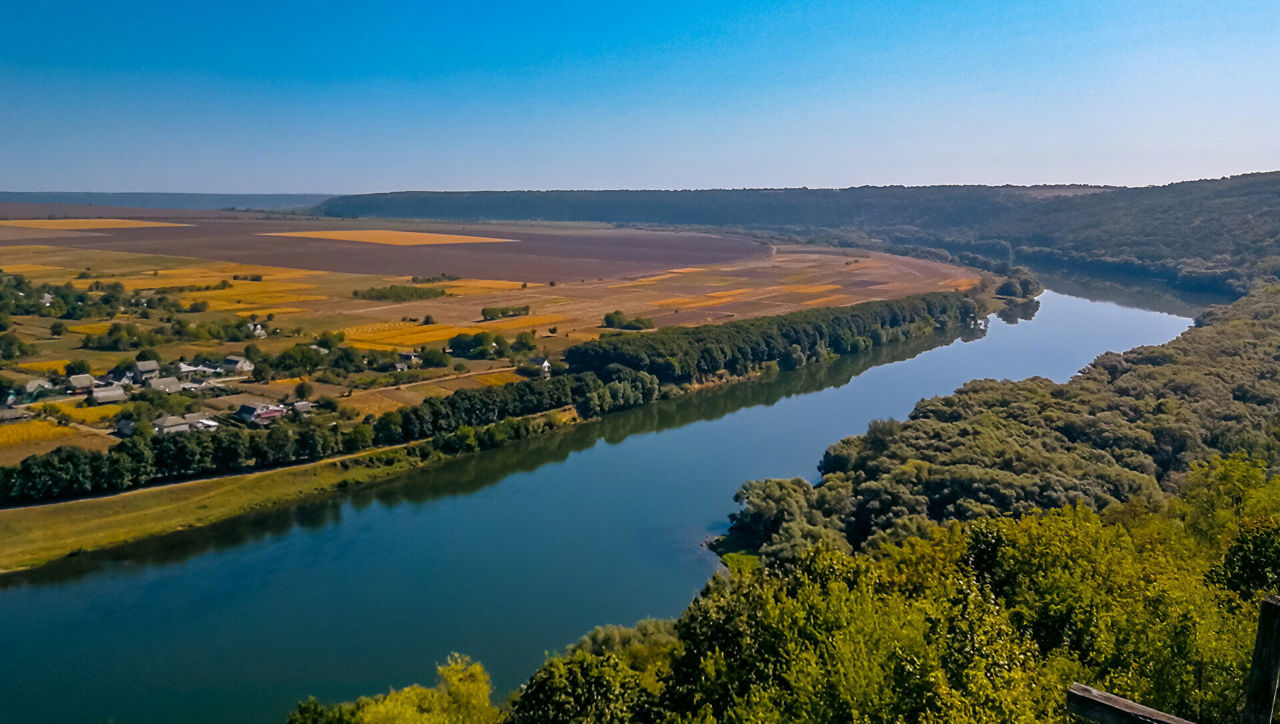
Environmental experts warn that the declining flow of the Nistru and the absence of spring floods are threatening the water supply, irrigation, and aquatic biodiversity in the Republic of Moldova. Specialists indicate that hydroelectric power plants on the river, combined with climate change and hydrological drought, are exacerbating the ecological imbalance of this vital water source. However, authorities maintain that the situation is being monitored and urge the public to use water responsibly.
Ecologist Ilia Trombitchi stated during the program "Zi de Zi" on Radio Moldova that the hydrological situation of the Nistru is "very disastrous," as the water level has remained low for several months and the current flow is two times lower than normal.
"The current situation is very disastrous because climate change and the lack of precipitation have practically led to a hydrological drought. The water level remains the same, and the flow from the Dniestrovsk reservoir in Ukraine is very small—only a minimum of 100 m³ per second. This flow has not changed since June of the previous year," Trombitchi said.
According to the expert, the repeated absence of spring floods seriously affects the balance of the aquatic ecosystem. Additionally, pollution with petroleum products, which occurred earlier this year, has heightened the river's vulnerability. Trombitchi believes that, given the unfavorable climate forecasts, authorities need to reconsider land use and expedite the afforestation of riparian areas.
"In general, land use must be reviewed to favor afforestation. This is the only way to improve the hydrological situation. At the same time, climate change is extending, and it is evident that we will face droughts in the future. Therefore, our agriculture must also adapt to these changes. The average person can help by conserving water and taking measures to promote greening," he added.
In response, Minister of Environment Gheorghe Hajder confirmed that water resources are declining, but he noted that the flow of the Dniester is managed in cooperation with Ukrainian authorities to prevent water shortages during hot seasons.
"We must consider climate change and the water supply to the reservoir in Ukraine. I want to make it very clear that the Nistru is a regulated river. This means that institutions from Ukraine and the Republic of Moldova are working together to maintain a certain flow rate in the Nistru. If we were to increase this flow rate, as some have requested, it could be beneficial, but it also poses risks of insufficient water supply during the summer months," the minister stated.
Hajder emphasized that, for now, the situation does not pose a major risk; however, the trend of declining water supply demands that both authorities and the public adapt to the new climate conditions.
"Therefore, I believe that at this stage there is no immediate risk. However, we must unfortunately acknowledge that the water supply trend is decreasing, which is why we need to adapt to these new conditions and be more cautious in our water consumption," he added.
This year, the Nistru also experienced pollution from petroleum products, an incident that, according to authorities, no longer poses an imminent threat but has left a mark on the aquatic ecosystem. In this context, the Ministry of Environment has announced that the Republic of Moldova will receive an external grant of approximately 8 million euros to restore ecosystems in the Dniester basin and to fund projects aimed at improving natural water filtration and reducing environmental impact.