Parliament Speaker on Transnistrian reintegration: “The price is very high”
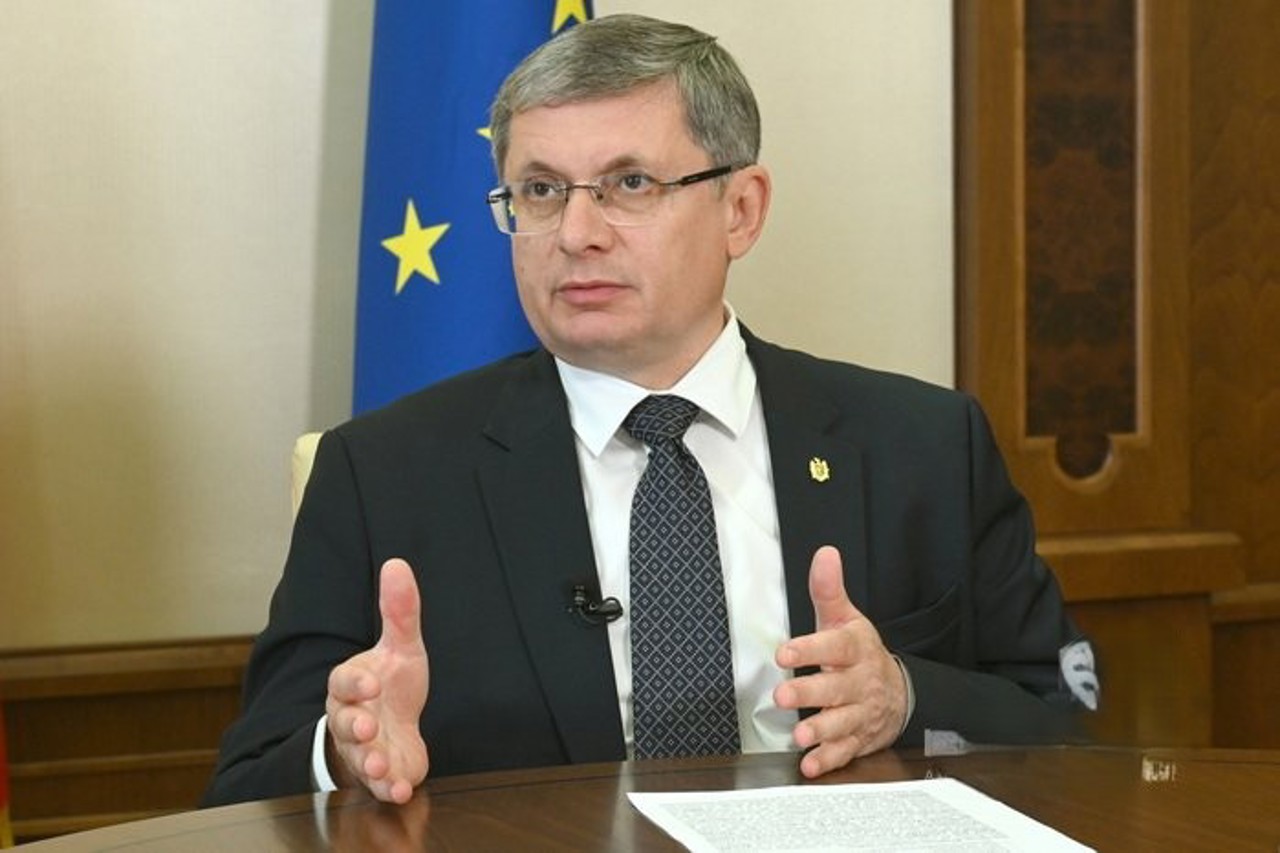
The reintegration of the Transnistrian region will require significant financial resources. The authorities in Chisinau are relying on both domestic contributions and support from external partners, according to the Speaker of the Parliament, Igor Grosu. He mentioned that the first contribution to the future convergence fund, which is intended for the eastern districts of the Republic of Moldova, has already been secured. This contribution comes from resources previously allocated by the European Union to address the energy crisis on the left bank of the Nistru.
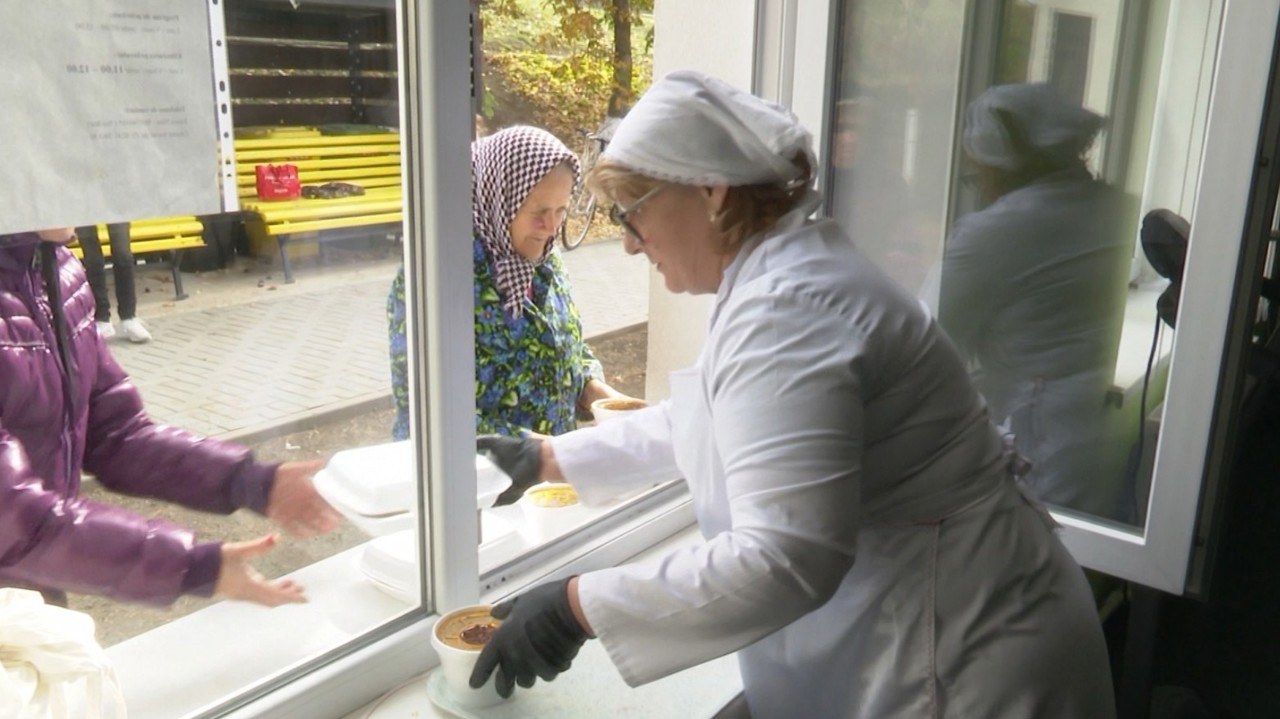
Our goal, on the one hand, is to demonstrate to the citizens of the Republic of Moldova and our development partners that we have a clear concept of how we envision reintegration across various dimensions. It's easy to talk about reintegration, but it comes with a significant cost. We are referring to approximately 300,000 citizens living on the left bank of the Nistru, including children, the elderly, and employees in various institutions and businesses, all of whom need access to essential services like healthcare and pensions," stated Igor Grosu during the "La 360 de grade" program on Radio Moldova.
In this context, Chisinau is working to establish a convergence fund that will gradually address the social, energy, and economic costs associated with the rapprochement of the two banks of the Nistru. Grosu asserts that this mechanism will operate based on the principles of transparency and predictability, with funding allocated in accordance with existing legislation.
“It will be clear in advance which projects are financed by this fund, which institutions are eligible, and how this money is managed, as they are public resources subject to public finance law,” said the Speaker of the Parliament.
According to Grosu, an initial contribution to the convergence fund already exists, sourced from resources previously provided by the European Union during the period when the Transnistrian region was left without gas. He further noted that external support for both the convergence fund and the reintegration process will depend on developments regarding the war in Ukraine and potential peace negotiations.
Chisinau authorities already subsidize some services for residents of the Transnistrian region, including health insurance, access to education on the right bank, and the pension system. Grosu highlighted that all these expenses must be quantified and incorporated into a clear financing mechanism.
"All these initiatives have a cost, and they must be quantified and funded. We believe that contributions to this fund represent a concrete step toward reconciliation between the two banks of the Nistru, especially considering that the situation on the left bank is far from favorable," he added.
When asked about the future after June 30, when the current gas supply mechanism for the Transnistrian region expires, Grosu noted uncertainties about the continuation of the supply scheme and said that Chisinau's authorities are monitoring their partners' positions in the current arrangement.
“We need to assess how the Hungarian authorities will respond and whether they will continue their contributions,” the Speaker stated.
It is important to note that Chisinau authorities previously announced that the convergence fund for the country's reintegration is expected to be established by August 1, 2026. This fund will also include taxes paid or to be paid by businesses in the Transnistrian region, coinciding with the gradual removal of tax incentives currently applied on the left bank of the Nistru.
According to officials, the special fund aimed at fostering rapprochement between the two banks of the Nistru will support investments in infrastructure, education, and energy efficiency projects in the Transnistrian region, along with other economic and social reintegration programs.