Doctor on Radio Moldova: Low risk of hantavirus infections in Moldova
Severe hantavirus cases detected on a South American cruise have gone viral online and raised concern. However, specialists in Moldova say the virus does not pose a major threat to the country at this time.
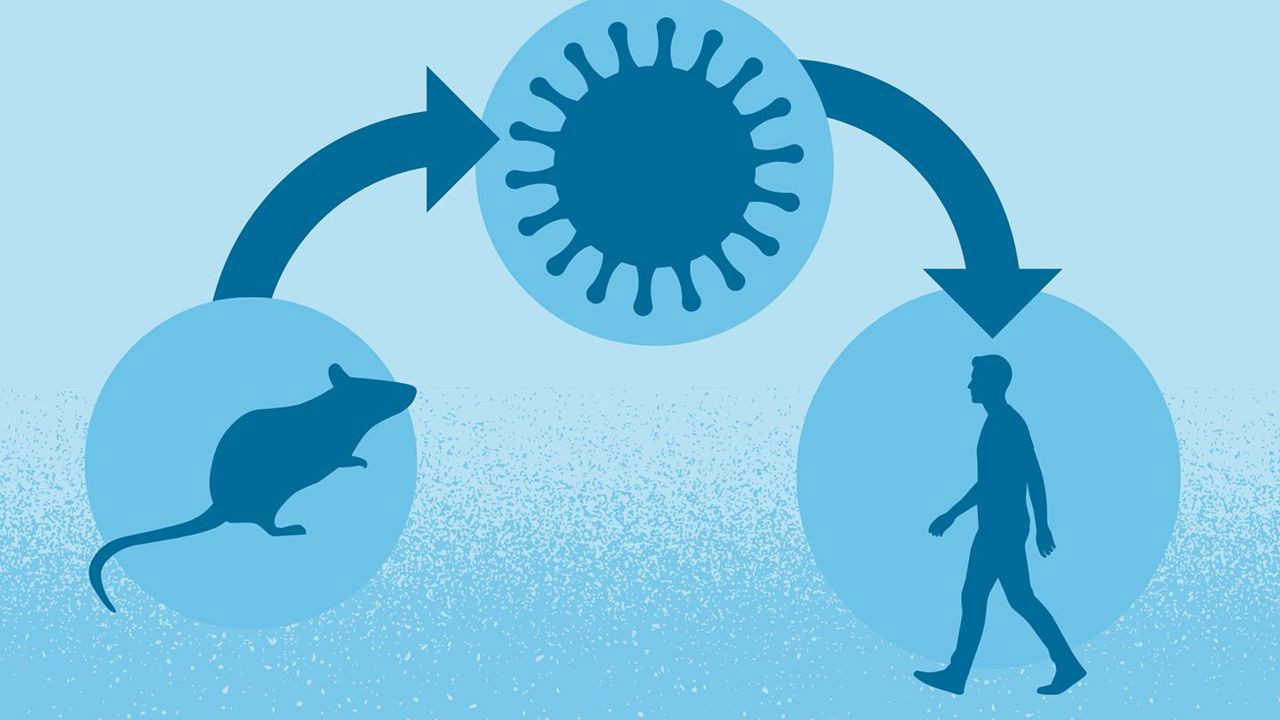
Hantavirus spreads mainly through rodents and poses a serious risk because it can cause severe complications and life threatening illness, Victor Pîntea, an infectious disease specialist, professor, and PhD, said on Radio Moldova.
"The virus spreads from rodents such as rats and mice. Most strains spread only from animals, not from person to person. The new strain linked to the South American cruise spreads only after very prolonged contact with an infected person," the professor said.
The virus has circulated for many years and is frequently detected, especially in South America.
People usually become infected by inhaling dust contaminated with urine, saliva, or droppings from infected rodents.
"The virus leaves the rodents' bodies through feces, urine, and saliva. In the environment, these substances dry out, turn into dust particles, and enter the human body through the air," the doctor explained.
No vaccine or specific treatment currently exists for hantavirus. Doctors can only offer supportive and symptom-based care.
As people begin seasonal cleaning in homes, attics, and basements, Victor Pîntea advises them to avoid direct contact with rodents and follow strict hygiene measures.
"People should keep their homes and workplaces clean, avoid contact with rodents, store food properly, disinfect areas where rats are present, and, when necessary, wear gloves for protection," the doctor stressed.
According to the specialist, hantavirus can cause severe conditions, including lung and kidney damage and hemorrhagic syndrome, with mortality rates reaching 10 to 15 percent.
Even so, the infectious disease expert urged people not to panic.
An outbreak of the Andes strain of hantavirus was reported in May 2026 aboard a cruise ship, with nine confirmed cases and three deaths. Epidemiological investigations remain underway.
In rare cases, the virus can spread from person to person. The World Health Organization continues to coordinate investigations and monitoring while assessing the risk to the general public as low.
Specialists recommend isolating suspected cases, tracing contacts, and testing people with compatible symptoms. Exposed travellers should monitor for symptoms for up to six weeks.