Small schools excluded under new education plan
In ten schools across the country, the bell has rung for the last time. There are too few students and too many nearly empty buildings, leading to a reform that redefines the "map" of education. Starting in the fall, students will attend other local schools, and 63 institutions will undergo reorganization.
In situations where there are not enough students for middle school classes, schools will be converted into primary institutions. Education Minister Dan Perciun acknowledges that this decision is difficult but necessary.
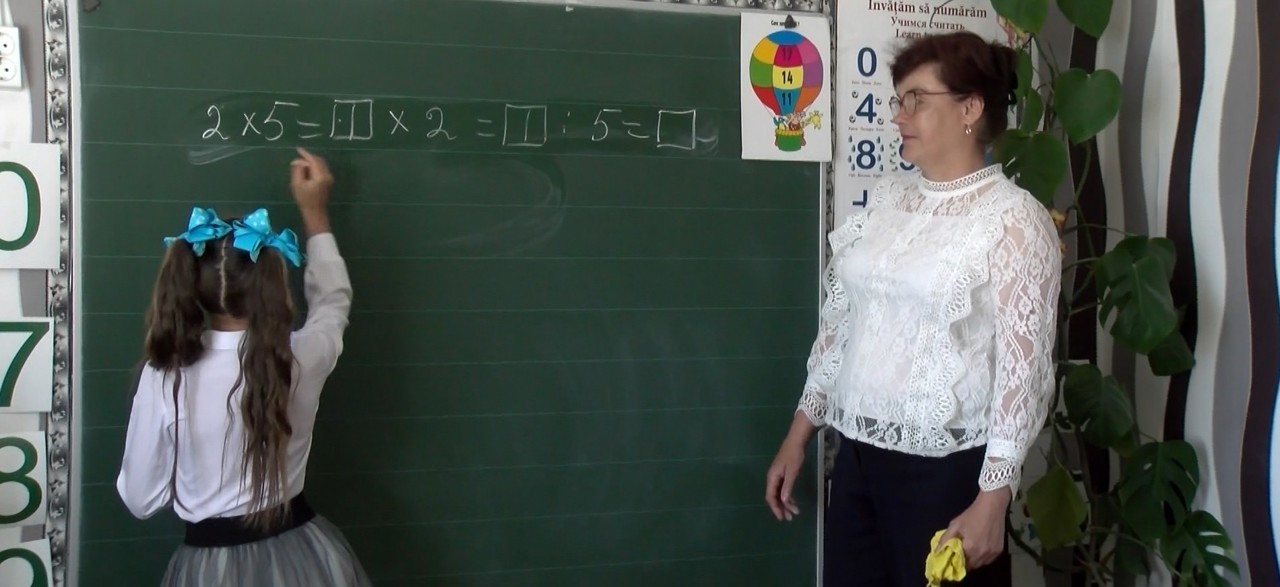
For instance, the primary school in the village of Slobozia Nouă, located in the Soroca district, has only nine students, which is insufficient for it to remain operational.
“Since the beginning of the year, we had ten students, but one left for Poland, as the parents have been working there for several years,” says Lilia Catlabuga, a local teacher.
Of the students, two have graduated from first grade, four have finished second grade, and three have completed fourth grade. Starting in the fall, these students will be transported to neighboring schools, leading to concerns among parents regarding this transition.
“I have four children, and two of them are students. If their feet get wet, they can change their shoes right here, but if they have to go to another school, it’s much more difficult. Who will take care of them? We are against this change; we don't want the school to close,” said one mother.
“Where should we send our six-year-old children to Tătărăuca? They finish their lessons at 11:00 or 11:30. Who will bring them back, and how can we ensure their safety? No one is guaranteeing that,” adds another parent.
In total, 73 schools with a small number of students will either be reorganized or closed. Students will receive free transportation, and parents will get a monthly allowance of 1,000 lei for two years of their children’s education.
The authorities admit that this reform is challenging, but they believe it is in the children's best interests, allowing them to study in larger, better-equipped schools.
“When there are fewer than ten children, the institution ceases activity, and only the kindergarten remains in the locality. The data we use for these decisions are those entered into the information system as of October 2025. Clearly, these decisions are never easy; they require extensive communication and dialogue,” explains Education Minister Dan Perciun.
An analysis by the Institute of Public Policies shows that the number of students in rural areas has decreased by almost 50% over the past 20 years. This issue is not only related to the low number of students but also to the overall quality of education. In schools with more than 700 students, the average middle school graduation rate is approximately 7.3, while in smaller institutions, it can drop to as low as 5.9.