European program funds five recycling initiatives
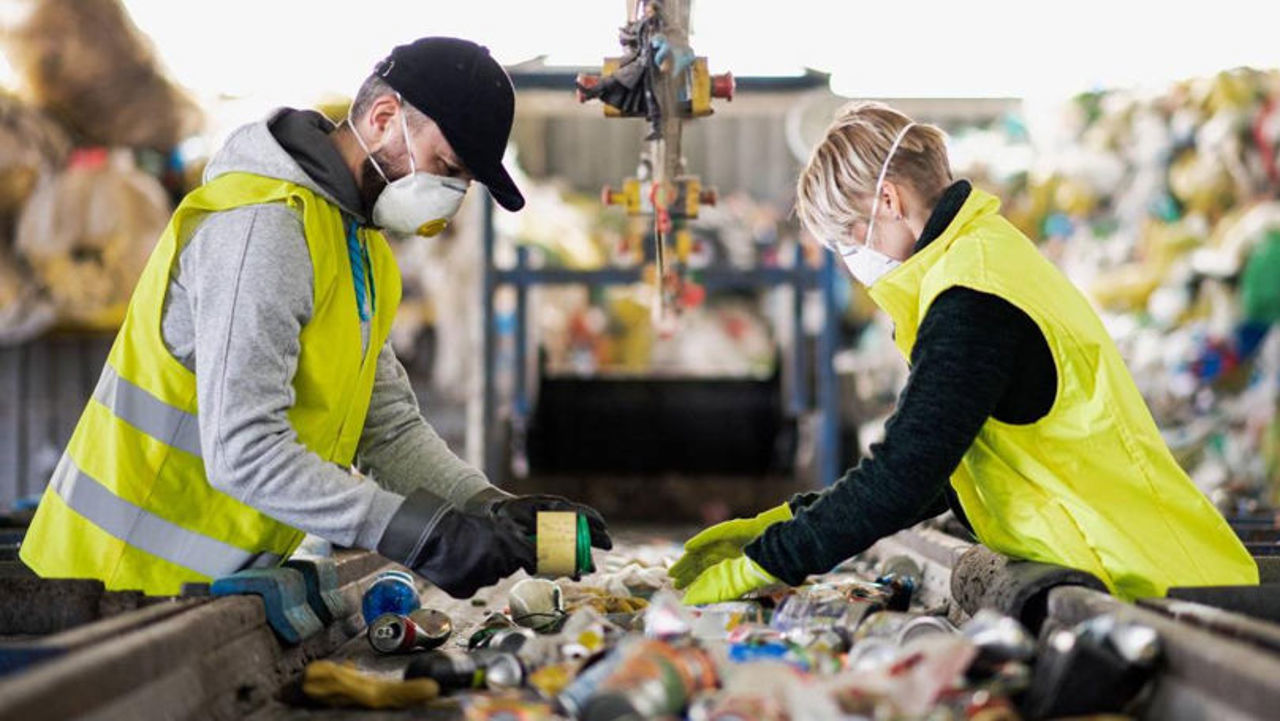
Five recycling companies in the Republic of Moldova will receive financial and technical support totalling up to 425,000 euros through a program funded by the European Union and UNDP.
The announcement was made during a conference held on June 5 to celebrate World Environment Day. Participants emphasized that collection and recycling rates in the Republic of Moldova are currently below their potential. They highlighted the urgent need for investments in infrastructure modernization and public education to facilitate the transition to a circular economy.
Of the 11 applications submitted, five projects were selected for their viability, impact, and sustainability. The beneficiary companies are SRL Ecoelastic Lux, SRL Hârtie Impex, SRL Uniplast, SRL Finplast Prim, and SA Metalferos.
Company representatives stressed that investments in equipment are crucial for enhancing processing capacities and expanding the range of recycled materials.
“We have been recycling packaging waste since 2008. We are grateful for the opportunity to increase our production capacity and diversify the types of waste we recycle,” emphasized Ion Zaiaț, administrator of SRL Finplast Prim. He noted that the recycling industry in the Republic of Moldova needs development, stating that without a solid sorting infrastructure and greater public involvement in sorting, progress cannot be accelerated.
Cristina Sorocean, development manager at SRL Hârtie Impex, highlighted that the company's operations encompass the entire logistical and technological chain. “Through the project we submitted, we aim to expand our existing facility and incorporate a component for valorizing the fibrous fraction. This will allow us to transform it into value-added products, such as egg trays, glass holders, and other similar items,” she stated.
Vasile Cecan, administrator of SRL Uniplast, mentioned that funding will be used to modernize equipment. He pointed out the company's more than 30 years of experience in recycling polypropylene and polyethylene, noting that past investments have had a significant impact. “In 2005, we received support from Japan, which gave us a substantial boost. Since then, our production has increased by about 50 times,” he said. Under the new project, the company plans to convert recycled waste into pipes primarily used in the construction sector.
Other recyclers also emphasized the importance of developing the domestic market for recycled products and increasing public engagement in selective collection. “It would be beneficial if the state encouraged us to promote the use of the items we produce in the development of sports fields and playgrounds, with at least 50% of the products on the local market coming from our efforts. This would provide consistent support, allowing us to grow,” said Alexandru Dodonov, administrator of SRL Ecoelastic Lux.
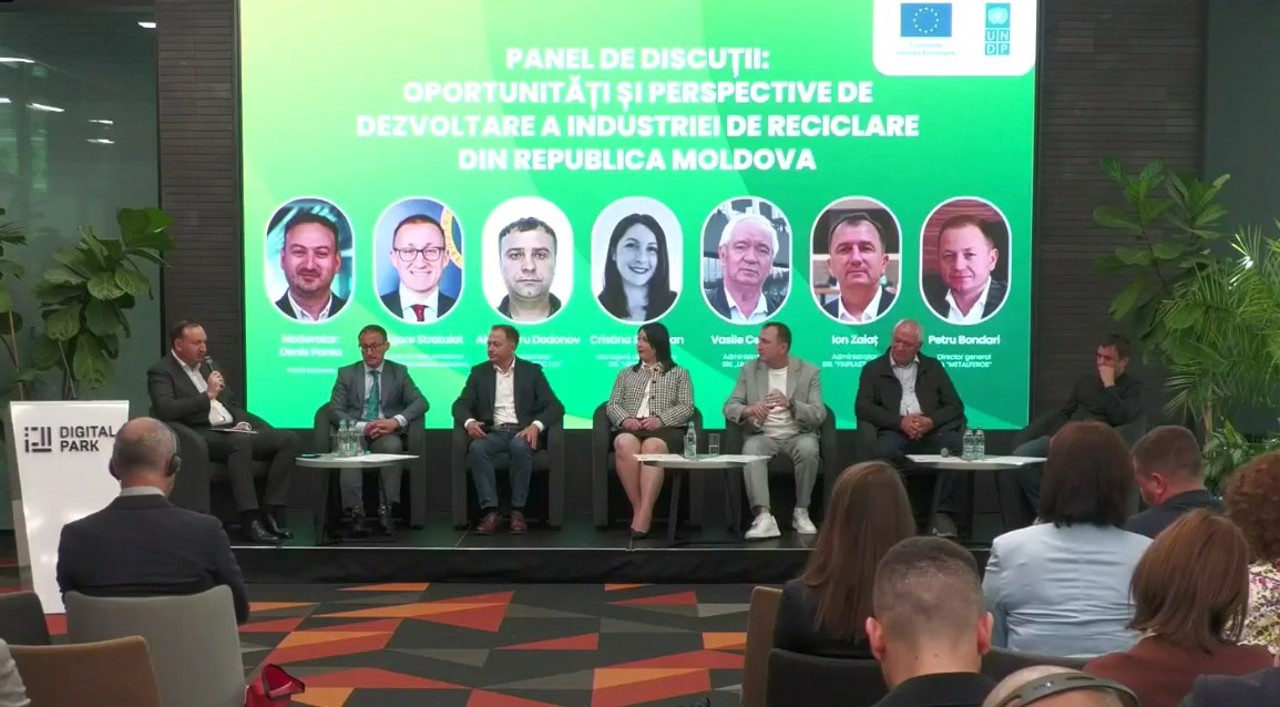
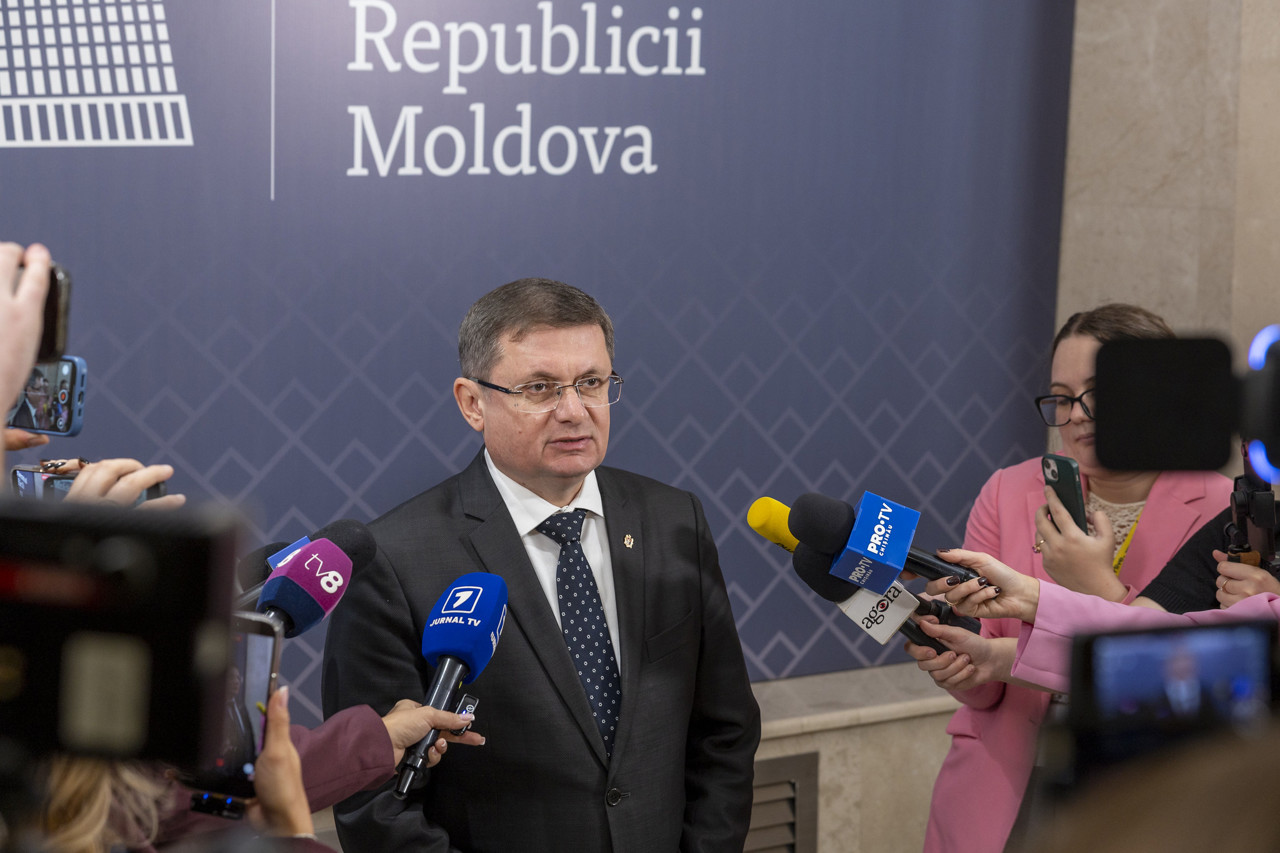
The Secretary of State at the Ministry of Environment, Grigore Stratulat, emphasized that the acceleration of the circular economy hinges on three essential areas: the development of a regulatory framework, the strengthening of institutional capacities, and the implementation of infrastructure projects.
"Recently, we have advanced the reform of the Ministry of Environment and its subordinate institutions. The Environment Agency has taken on new responsibilities. If we are to implement effective policies, there must also be robust oversight," stated Grigore Stratulat.
He further noted that improving institutional capacities is crucial, but implementing infrastructure projects is equally important.
"I want to highlight the importance of the 'Solid Waste in the Republic of Moldova' project. Without integrated waste management infrastructure and separate waste collection, it will be challenging to meet our recycling targets," the Secretary of State said.
The circular economy is also a strategic focus for the Republic of Moldova's economic development.
"In the immediate future, we are planning to allocate financial resources to continue supporting small and medium-sized enterprises in adopting new business models," said Constantin Țurcanu, Head of the Department at the Ministry of Economic Development and Digitalization (MDED).
By 2027, MDED aims to further promote this economic model and strengthen information initiatives by showcasing successful examples within the circular economy sector.