Hundreds of tons of e-waste collected through EcoVoucher, shipped to Romania for recycling
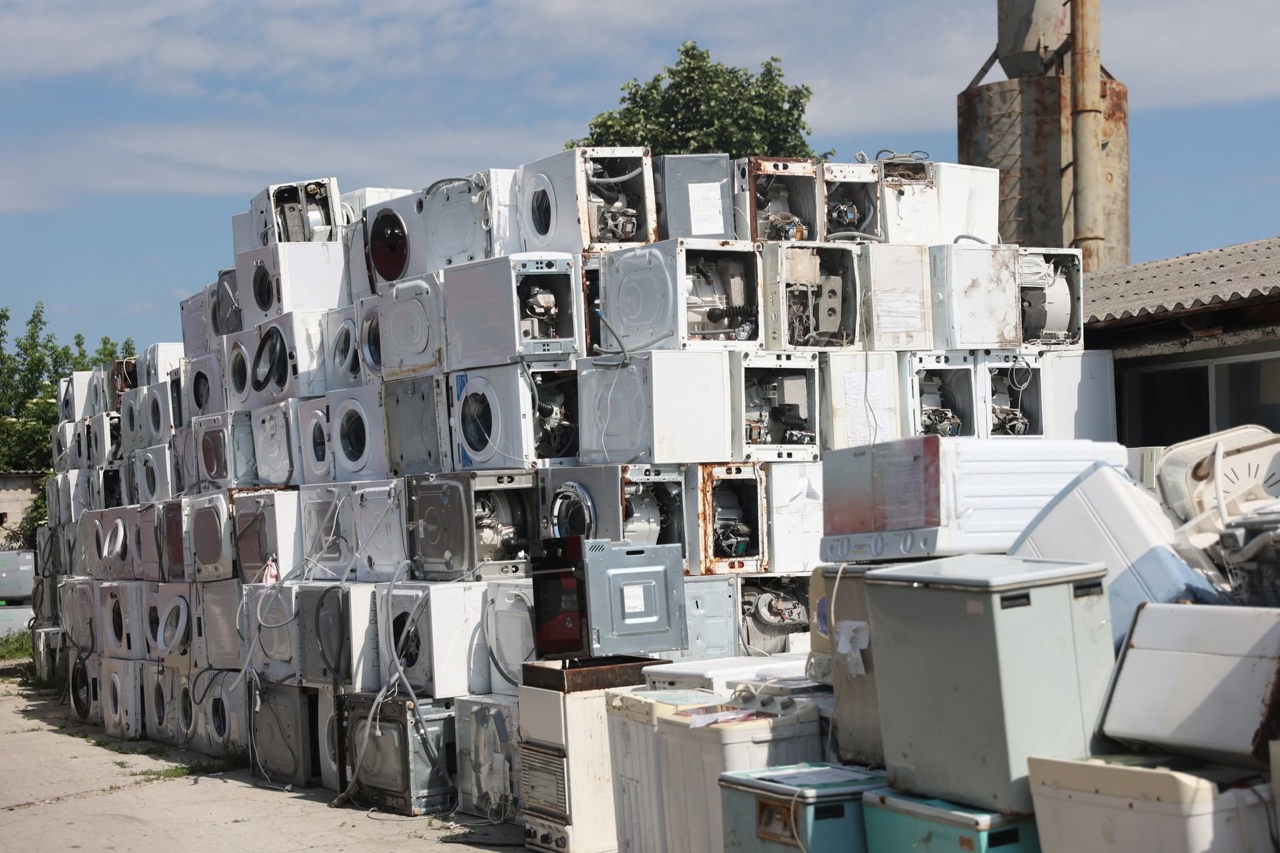
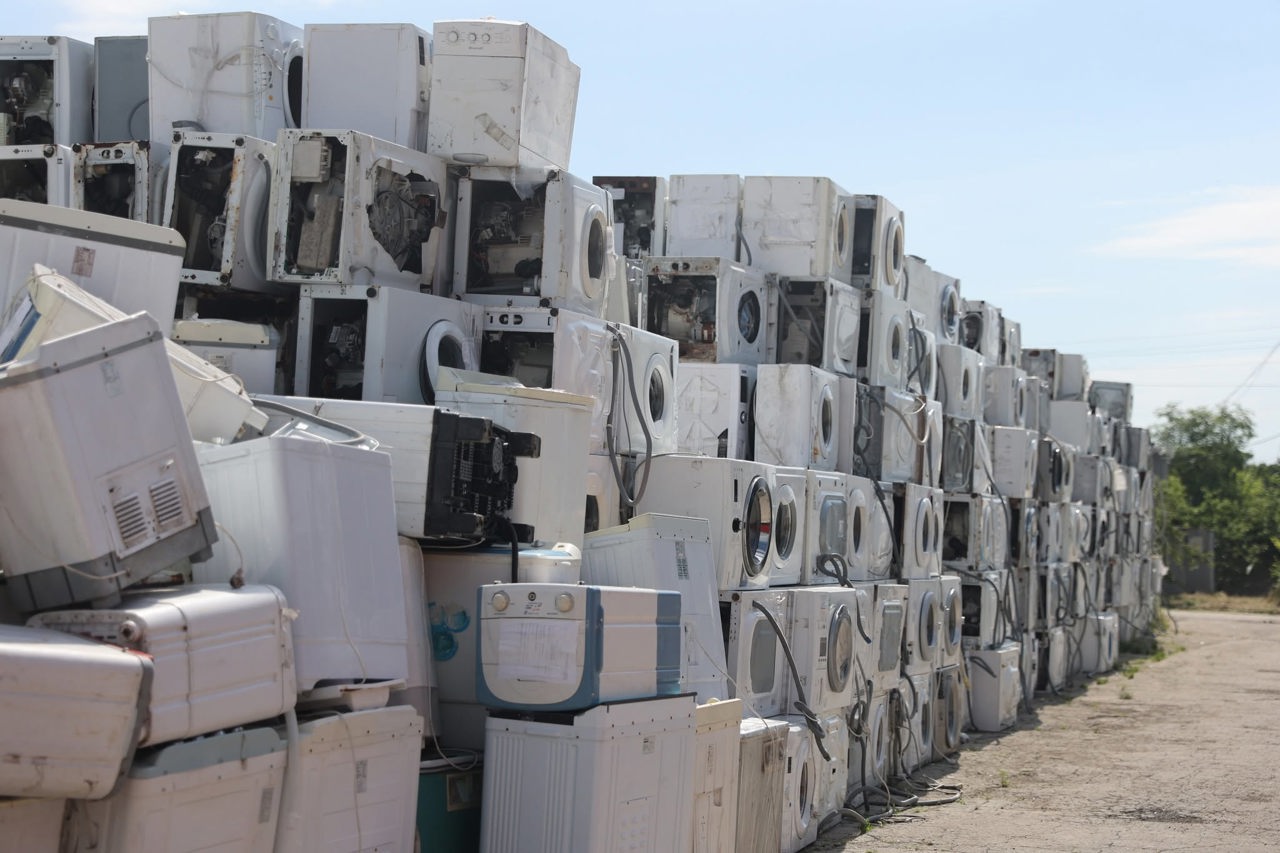
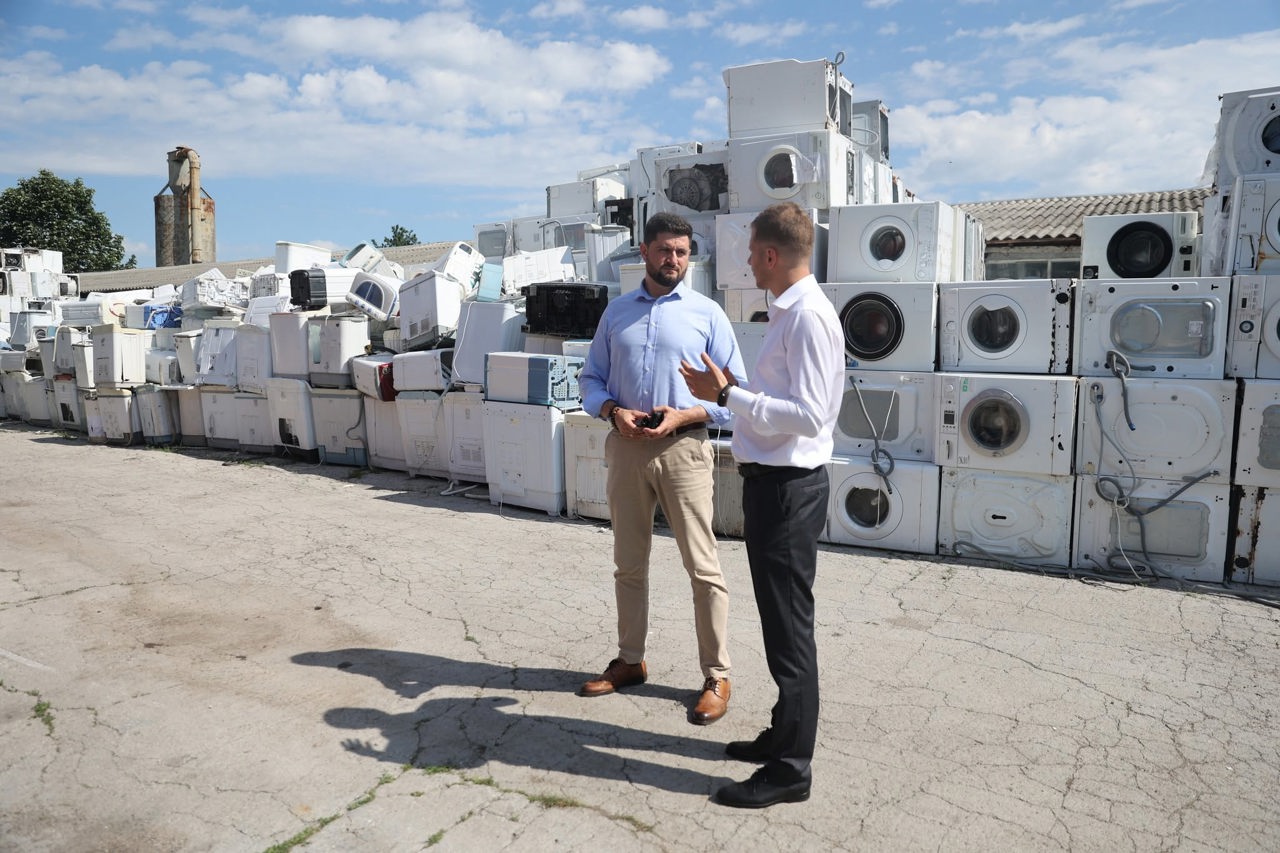
More than 300 tonnes of discarded refrigerators and washing machines were collected through the EcoVoucher programme. The figures were presented during Energy Minister Dorin Junghietu's visit to the warehouse of the PRO REP Association, a nationally authorised collective system for collecting waste electrical and electronic equipment.
The association was established a year ago, with about 70 home appliance importers participating. It has already collected around 500 tons of electrical and electronic waste, about 40% of its 2026 target.
"These appliances are exported to GreenWEEE in Romania for recycling. We organize weekly shipments, with between two and four truckloads leaving each week," said PRO REP Director Mihai Caranfil.
Energy Minister Dorin Junghietu praised the association's contribution to the success of the EcoVoucher programme and to the development of a functioning system for collecting and recycling electrical and electronic waste.
"The EcoVoucher programme delivers a double benefit for Moldova. On one hand, it helps vulnerable families replace old, energy-intensive appliances with modern, energy-efficient ones. On the other hand, it ensures that discarded appliances are properly collected and recycled, allowing valuable materials to re-enter the economy. This reduces energy consumption, lowers household electricity bills, and cuts the amount of waste sent to landfills," Junghietu said.
During the latest EcoVoucher round, which ended on June 7, nearly 600 vouchers were redeemed to purchase 337 new washing machines and 255 refrigerators. Since the programme launched, more than 42,000 households in Moldova have received funding covering up to 70% of the cost of energy-efficient appliances.
According to the Ministry of Energy, replacing old refrigerators and washing machines with modern models significantly reduces electricity consumption. A refrigerator manufactured 15 to 20 years ago can consume two to three times as much electricity as a new high-efficiency model. Modern washing machines also use less electricity and water per cycle.
The EcoVoucher programme is implemented by the National Center for Sustainable Energy (CNED) with support from the government and development partners. According to CNED estimates, the more than 42,000 energy-efficient appliances purchased through the program generate annual electricity savings of several million kilowatt-hours, helping reduce household energy bills and overall national electricity consumption.