Escalating US-Iran military strikes imperil fragile April truce
The United States and Iran executed a new round of reciprocal airstrikes on Thursday for the second consecutive day. President Donald Trump vowed further military action unless Tehran immediately signs a peace accord.
The military escalation began this week following the downing of an American Apache helicopter near the strategic Strait of Hormuz. The incident triggered retaliatory strikes inside Iranian territory and against US regional bases, Reuters reported.
This week's tit-for-tat strikes pose a severe threat to the fragile ceasefire brokered in April. The hostilities diminish prospects for a swift resolution to the war, which erupted in late February with joint US-Israeli air campaigns against Iran.
Targeted military operations
US military strikes targeted Iranian surveillance capabilities, communication systems, and air defense positions nationwide.
President Trump told Fox News on Wednesday evening that the current wave of American strikes would conclude shortly. However, he threatened to resume massive bombardments if Iranian leaders refuse to sign an immediate agreement.
US Central Command (CENTCOM) announced that the four-hour operation concluded around midnight Tehran time.
Diplomatic pressure through military leverage
US Secretary of Defense Pete Hegseth framed the military action as a strategic effort to force Iran into a settlement.
The strikes will advance US military interests and strengthen Washington's diplomatic leverage, Hegseth told reporters during a briefing at Central Command in Florida.
"We are going to hit them hard tonight, and hopefully Iran will make a good decision," Hegseth stated. "If we must negotiate with bombs, we will negotiate with bombs."
Iranian military retaliation
Iran’s Islamic Revolutionary Guard Corps (IRGC) claimed retaliatory strikes against 18 US military targets at airbases in Kuwait and Bahrain. The IRGC also claimed to strike the US Navy’s Fifth Fleet headquarters in Bahrain.
The IRGC later specified that its forces targeted the al-Azraq airbase in Jordan for a second consecutive night, deploying 12 ballistic missiles against the American installation.
Air defense systems in both Kuwait and Bahrain successfully intercepted and neutralized the incoming Iranian aerial attacks.
Strait of Hormuz maritime blockade
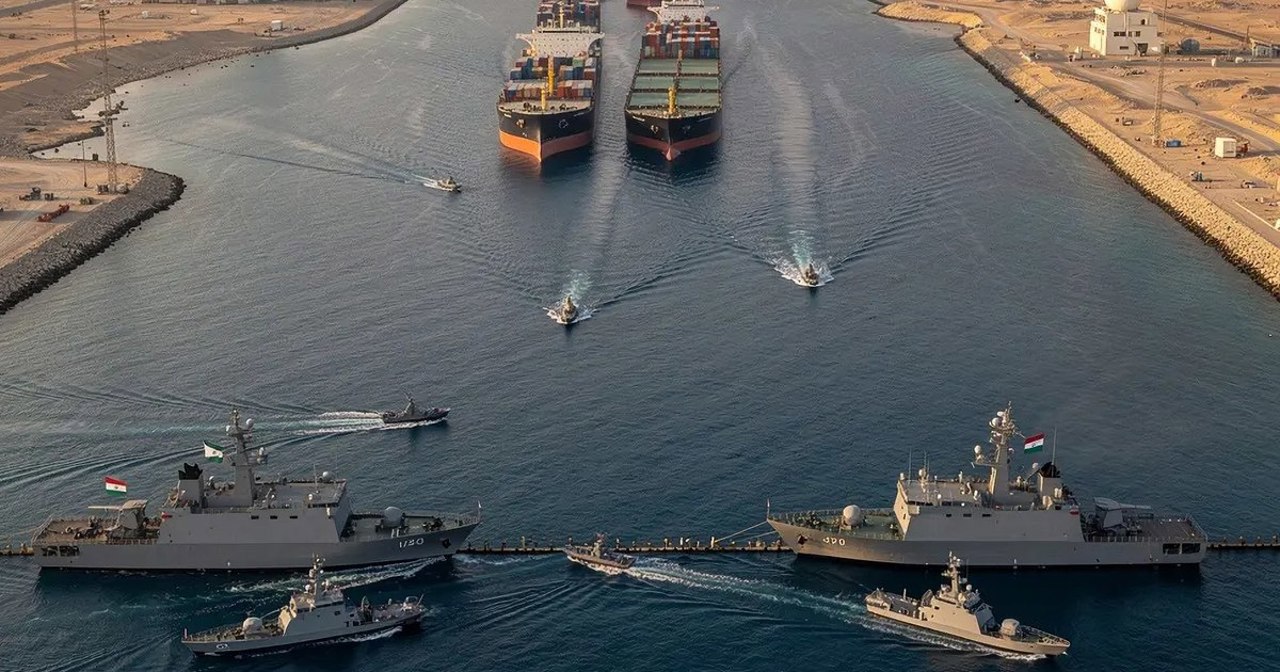
Iran's supreme military command warned it would open fire on any vessel attempting to navigate the Strait of Hormuz, which has remained largely closed for several months. Iranian state media claimed forces fired upon two US vessels.
CENTCOM denied claims regarding the closure of the strait or any damage to American warships. The command maintained that commercial vessels continue to transit the waterway despite Iranian threats.
The US and Iran have exchanged fire repeatedly since the provisional truce took effect, complicating efforts by international mediators to formalize an end to the four-month conflict.
Economic and political fallout
President Trump has repeatedly claimed a deal is imminent, though no major breakthroughs have materialized. Meanwhile, the threat of renewed full-scale bombing persists.
The war has caused thousands of casualties and disrupted approximately one-fifth of the global supply of crude oil and liquefied natural gas, driving energy prices sharply higher. Iran continues to restrict transit through the Strait of Hormuz, while the US maintains a strict blockade on Iranian ports.
The conflict has evolved into a critical domestic liability for the White House. Recent polling indicates Trump's approval ratings are declining as voters express growing dissatisfaction with high domestic fuel prices.
Congressional Republicans have openly expressed concern that the unpopularity of the war could cost the party control of Congress in the upcoming November midterm elections.
Translation by Iurie Tataru