Russia loses security guarantor status in Transnistria, new poll shows
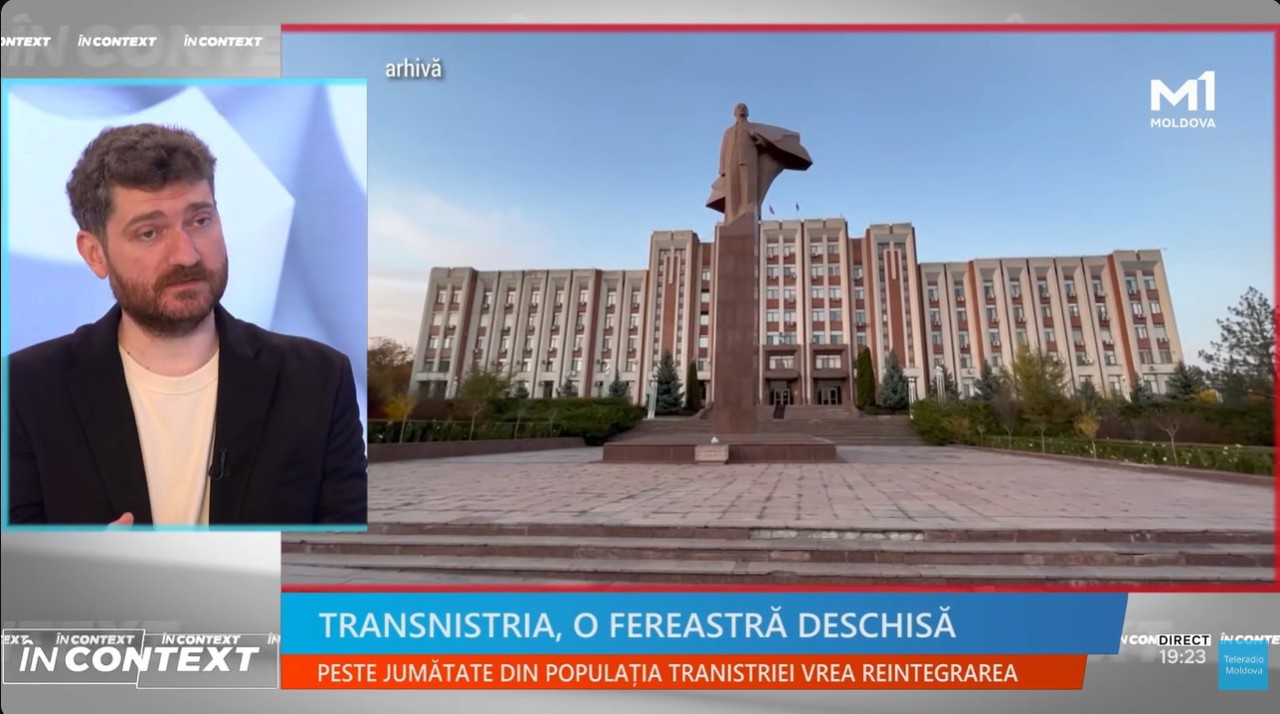
A recent public opinion poll reveals a significant geopolitical shift in Moldova, with 53% of residents in the breakaway region of Transnistria supporting reintegration with the central government in Chisinau.
The study, conducted by the WatchDog.MD Community between February and April 2026, shows that only 35% of respondents oppose reunification. This marks the first time that support for reintegration has surpassed the 50% threshold, reflecting a rising trust in the legitimate Moldovan authorities.
Economic crises erode Tiraspol's authority
According to WatchDog expert Eugen Muravschi, the shifting public sentiment is a direct consequence of prolonged economic and energy crises within the unrecognized enclave. Despite intensive state-sponsored propaganda, the local population is heavily feeling the impact of geopolitical isolation.
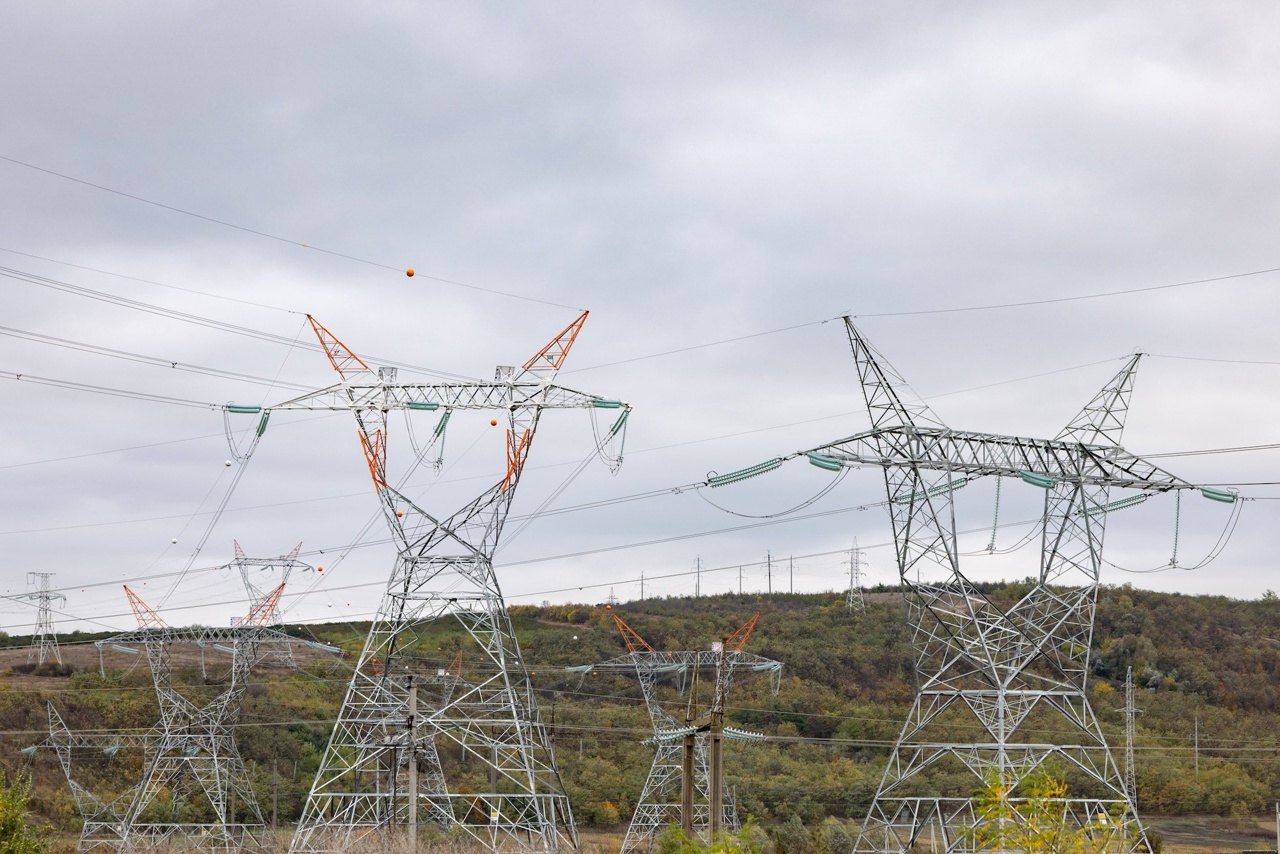
The region's systemic vulnerability became evident following severe winter energy grid failures, which left large areas without heat and electricity. This structural crisis triggered subsequent budgetary deficits, staggered public sector wage payments, and widespread industrial layoffs, demonstrating that the separatist administration can no longer deliver basic stability.
Shifting leadership trust and security perceptions
The political landscape within the separatist region is also undergoing a major realignment regarding leadership and regional security. Moldovan President Maia Sandu has emerged as a highly trusted figure, significantly outpacing the local unrecognized leadership.
The poll indicates that 25% of Transnistrian respondents feel represented by President Sandu. In contrast, the unrecognized local leader in Tiraspol secured only an 18% confidence rating from the participants.
Furthermore, the Kremlin’s traditional image as a stabilizing force is collapsing, with approximately one-third of respondents now viewing the Russian Federation as a direct security threat. The ongoing war in neighboring Ukraine and staged security provocations in Tiraspol—widely attributed to Russian intelligence agencies—have deeply eroded the local population's sense of safety under Russian tutelage.
Methodology note
The survey was conducted through online questionnaires distributed across five districts on the left bank of the Dniester River, drawing responses from 419 individuals.
The findings were further verified through 47 face-to-face interviews conducted in March 2026. The authors of the study note that the raw data remains unweighted, with women and youth being statistically underrepresented in the final sample.
Translation by Iurie Tataru