Toxic caterpillar infestation closes German public spaces
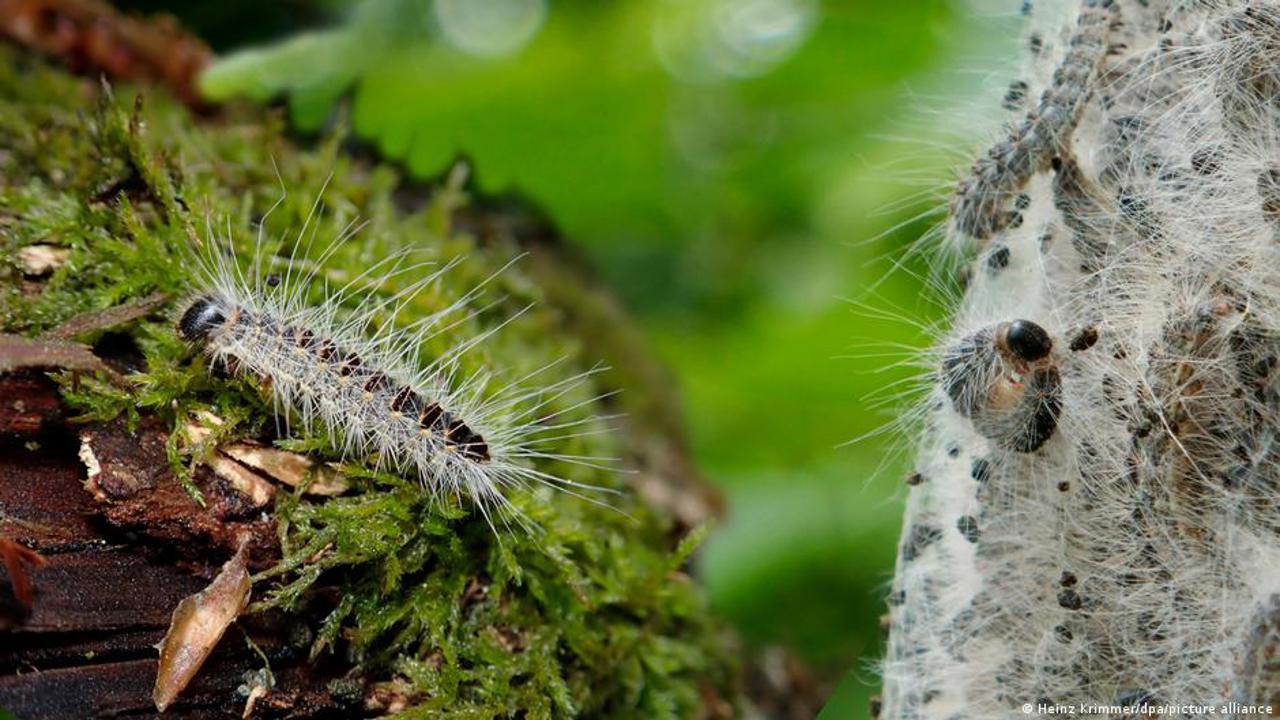
Authorities across Germany are battling a significant surge in the population of oak processionary moths (thaumetopoea processionea). The infestation poses serious health risks, leading to school closures and the restriction of public parks.
The hidden danger
These caterpillars migrate in long, identifiable columns. While their primary bristles are visible, their real threat lies in 600,000 microscopic, stinging barbs per larva. These barbs, measuring 0.1–0.2 millimeters, easily penetrate skin, eyes, and respiratory tracts.
Health risks and response
Contact with these barbs triggers severe inflammation, including urticaria, conjunctivitis, and, in rare instances, life-threatening anaphylactic shock or respiratory distress. If exposed, individuals must wash immediately and clean all clothing. Apply cold compresses to affected areas and seek medical attention if severe symptoms emerge.
Climate-driven proliferation
Experts attribute this rapid spread to climate-driven factors, noting that the species thrives in mild winters and dry, warm springs. The infestation is currently widespread, with severe outbreaks reported in Berlin, Brandenburg, and Hessen. Authorities are actively managing the crisis, deploying aerial insecticide treatments to contain the spread in forested areas.
Translation by Iurie Tataru