Moldova inflation reached 6.8% in May as prices continued to rise
Prices in the Republic of Moldova continue to rise, with annual inflation reaching 6.8% in May. This increase is attributed to the rising costs of essential products and services. Compared to May 2025, the largest price hikes were recorded for eggs, vegetables, fuels, and passenger transport, according to data from the National Bureau of Statistics (NBS).
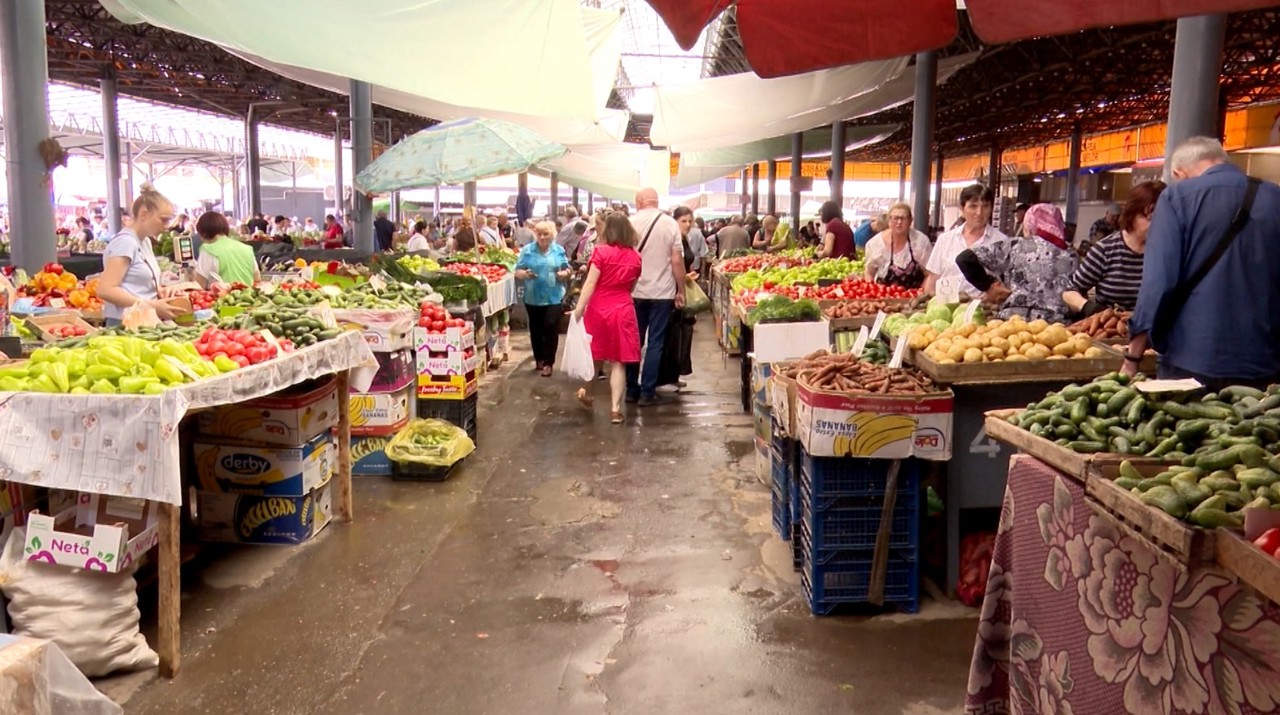
In May, the annual inflation rate continued to rise, approaching 7 percent. Since the beginning of the year, prices have cumulatively increased by approximately 5 percent. Food products, in particular, have become more expensive, with bread rising by 6.6 percent, dairy products by 4.3 percent, and fruit by over 4 percent.
Eggs have seen the most significant price hike, increasing by almost 40 percent. At fruit and vegetable stalls, prices are displayed as 20 percent higher. A kilogram of Moldovan tomatoes costs 50 lei, while a kilogram of cucumbers is priced at 19 lei. In contrast, sugar has become cheaper, costing 19 lei per kilogram, which is 4 percent less than last year.
"It feels like we're buying less, but we're still buying. Instead of purchasing 30 eggs at a time, we now buy 15 or 10. We continue to live; there’s no point in getting angry with anyone—that’s life."
"After our pension, let's not even talk about it. I receive 1,700 lei, and prices are very high."
"I bought a bottle of milk today, and it was 1 leu and 80 bani more expensive. Essential dairy products are very costly. I cannot afford yoghurt. Strawberries are overpriced, and they aren’t even tasty."
Considering non-food items, the largest price increases were recorded for fuels and motor fuels. According to the National Bureau of Statistics (NBS), diesel and gasoline now cost over 26 percent more than they did in May of last year. The increase in fuel prices has also influenced passenger transport tariffs, which have risen by 31 percent.
In the past year, electricity prices have increased by over 15 percent, while natural gas and thermal energy prices have decreased. Experts indicate that inflation is driven by both internal factors—such as seasonal fluctuations typical of the local market—and international circumstances, particularly the crisis in Iran.
"There are factors occurring in the Republic of Moldova, as well as unexpected events, like the ones we experienced at the beginning of the year. Inflation is now progressing at a natural pace. We usually see a slight acceleration in food prices at the end of spring, but on the bright side, we often experience deflation during the summer months, leading to lower food prices, especially for fruits and vegetables. This trend happens every year with a few exceptions," noted expert Veaceslav Ioniță.
Looking at the regional situation, the highest inflation rate is in Turkey at 32.6 percent, followed by Bulgaria at 7 percent, and then the Republic of Moldova. In contrast, the Czech Republic and Cyprus are faring much better, with inflation rates not reaching 3 percent.