Combating childhood myopia: why screen time is changing vision health
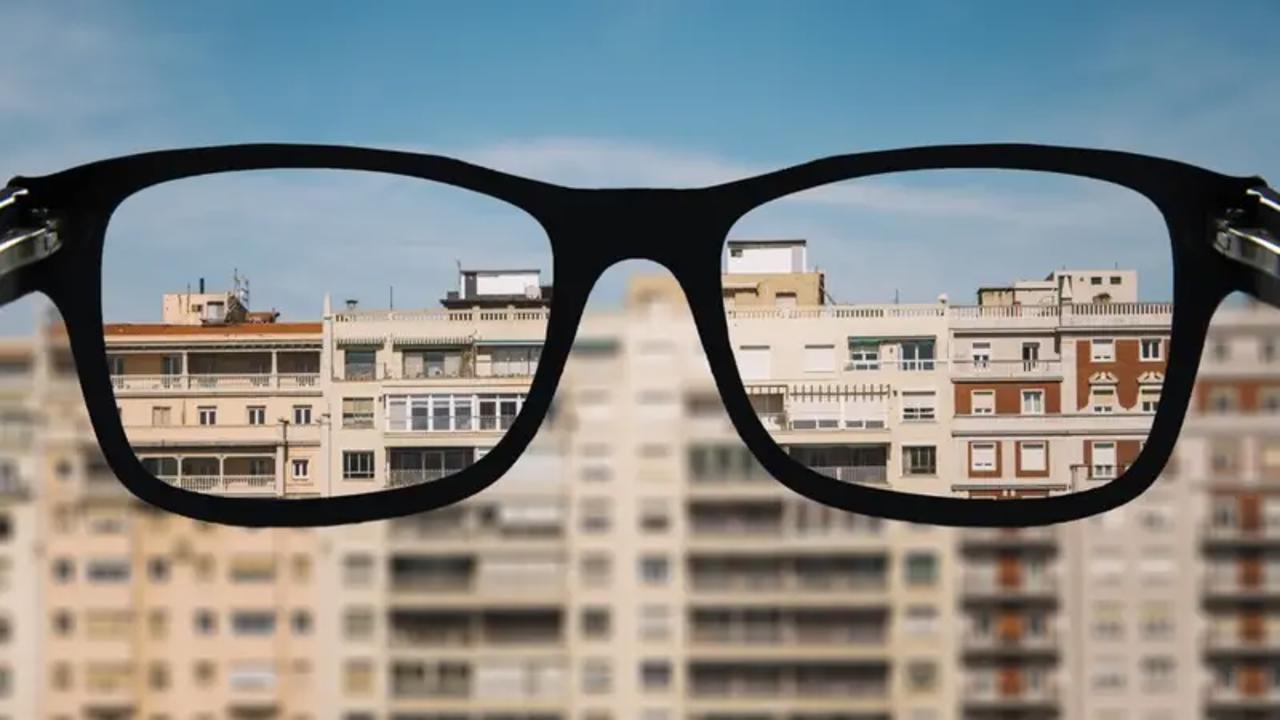
Pediatric ophthalmologists are reporting a concerning surge in childhood myopia. Experts attribute this trend to early, prolonged exposure to digital screens, exacerbated by a sedentary lifestyle.
Dr. Irina Rotaru highlights that early digital device usage is the primary driver of this progression. Beyond screen time, a lack of outdoor physical activity and potential nutritional gaps contribute to the worsening of vision health in adolescents.
Modern intervention strategies for managing myopia progression include orthokeratology (night-time lenses), perifocal glasses, and low-dose atropine therapy. Dr. Rotaru notes that orthokeratology is particularly effective, as it temporarily reshapes the cornea during sleep to ensure clear vision during the day.
To mitigate eye strain, specialists advocate for the 20-20-20 rule. Every 20 minutes, individuals should focus for 20 seconds on an object at least 20 meters away.
Dr. Nicolae Bobescu emphasizes that maintaining visual health requires consistent lifestyle adjustments. This includes regular outdoor activity, proper sleep hygiene, and daily eye exercises.
Parents are urged to schedule consistent ophthalmological screenings to ensure timely detection and treatment of refractive errors.
Translation by Iurie Tataru