Ilan Shor’s empire allegedly financed via Abramovich and Kremlin ties
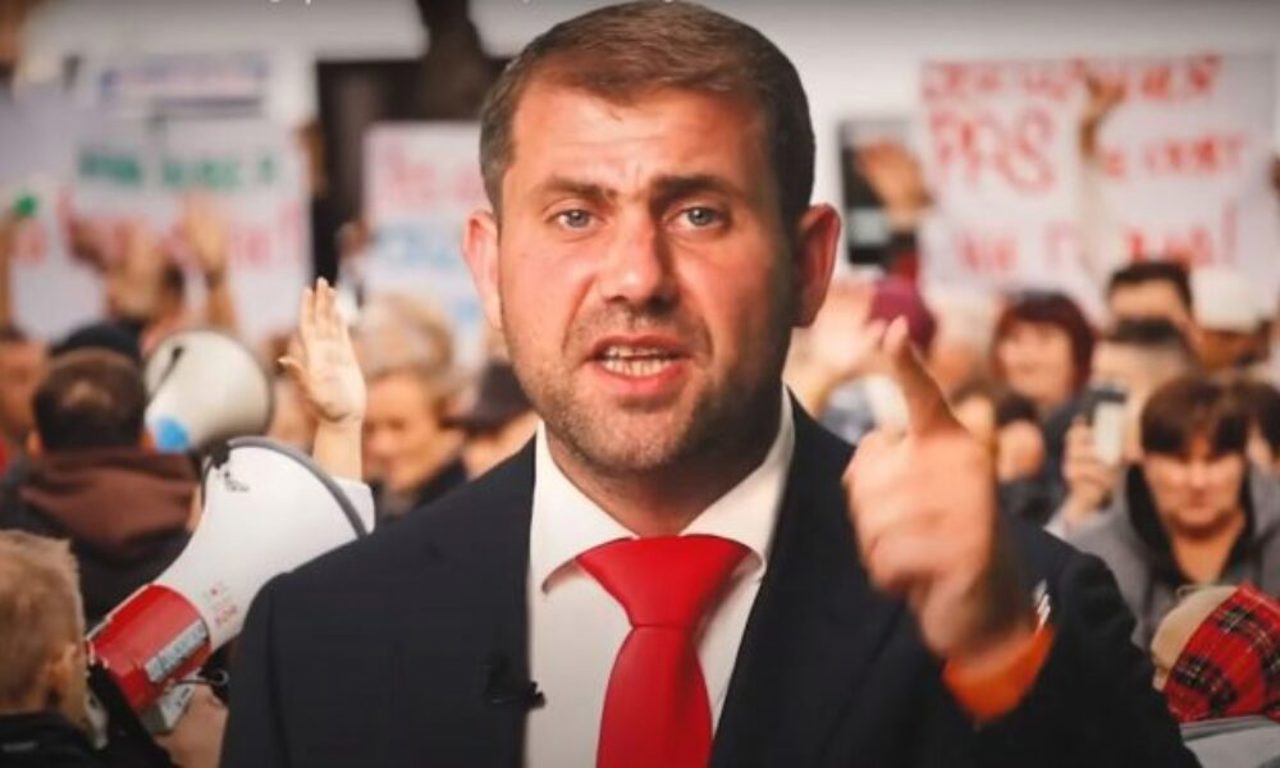
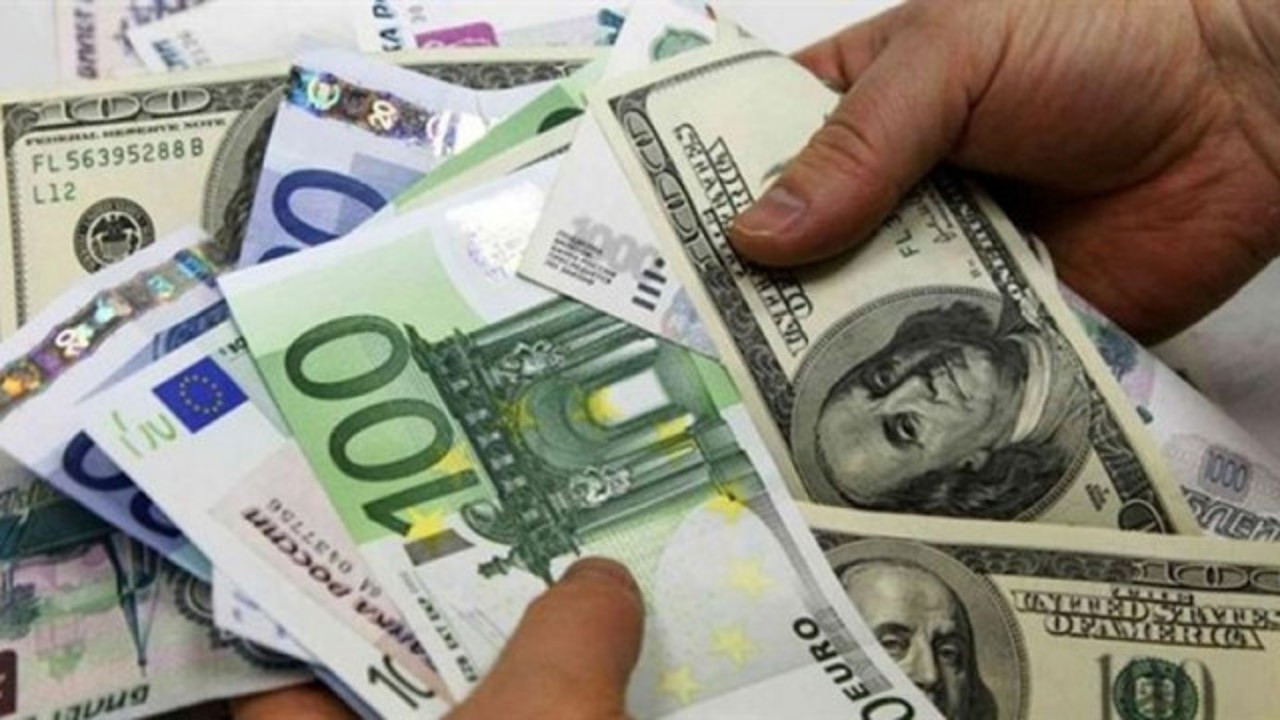
Fugitive convict Ilan Shor has established a substantial financial empire in Russia, aided by billionaire Roman Abramovich. Amid the backdrop of the war in Ukraine, Shor has shifted from being an unwelcome figure to becoming an essential player for Moscow. He manages cryptocurrencies and secret banking systems used by intelligence services and major exporters to evade Western sanctions.
An investigation by the Novaya Gazeta Europa editorial team has uncovered how Ilan Shor built a financial empire that helps Russian companies evade Western sanctions.
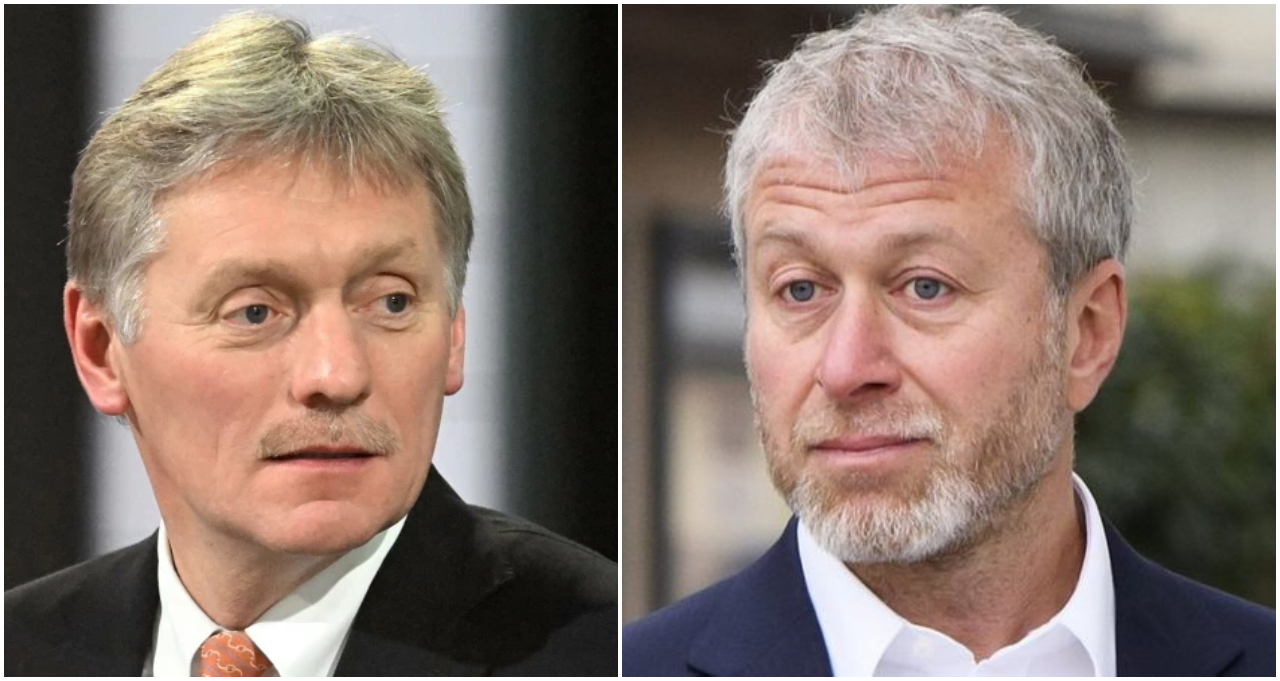
The assets controlled by the former mayor of Orhei are diverse and all are managed by Russian secret services. These operations benefit from the protection of influential figures, such as billionaire Roman Abramovich, the former owner of the London football team Chelsea, and Kremlin spokesman Dmitry Peskov.
“Shor corrupts everyone he sees”
In the Republic of Moldova, Ilan Shor was sentenced to 15 years in prison for the "theft of the billion" and has been placed on an international wanted list. He is also subject to sanctions by the European Union, Great Britain, and the United States.
Interestingly, until recently, he was considered persona non grata in Russia. In 2016, he was banned from entering the country for national security reasons. According to Kommersant, which cited Russian government sources, the ban was due to the belief that Shor “corrupts everyone he sees.”
However, after Russia’s war in Ukraine began, his “talent” became useful to the Russian authorities. By 2023, Shor had visited Moscow again, and in 2024 he received Russian citizenship, later boasting about his “progress” to Russian President Vladimir Putin.
In recent years, Shor has built a significant empire in the Russian Federation. He established an alternative currency transfer system for the Kremlin that helps Russia circumvent international sanctions. Additionally, he finances media outlets and bloggers who promote Russian interests abroad and bribes Moldovan voters to derail Moldova’s European integration efforts.
In 2026, Shor tried to implement some of the techniques he tested in Moldova for the elections in Armenia.
The “A7” Platform and its connection to Abramovich
Shortly after returning to Russia from Israel, Ilan Shor became the owner of one of the largest platforms servicing “difficult” clients—the “A7” platform.
This platform assists both Russian businesses that import household goods from abroad and individuals under sanctions who purchase prohibited products.
Such platforms have existed in Russia for some time. These services were often utilized by businessmen who evaded taxes, moved profits offshore for bribery, or circumvented currency controls.
“Currently, there are a million schemes for international transfers. Some are done informally, while others are developed by banks themselves. But major players need someone to manage the process,” a banker told Novaya Gazeta Europa on the condition of anonymity.
This banker operated currency schemes in Russia even before sanctions were imposed. He has known Shor for a long time, even before the war, and believes that Shor now offers a “turnkey service” to significant players in Russia and their foreign partners—particularly oil companies and importers of sanctioned goods.
What sets Shor apart from many other intermediaries is his backing from influential figures who have vouched for him to other key players. While living in Israel, where he was evading Moldovan authorities, he met Roman Abramovich.
“He is part of the same network. Shor’s wife, singer Jasmin, is a close friend of Tatiana Navka, the wife of Putin’s spokesman, Dmitry Peskov. Abramovich and Shor became close through the Jewish community. All these individuals are essentially part of the same circle and communicate regularly,” said the banker interviewed by Novaya Gazeta Europa.
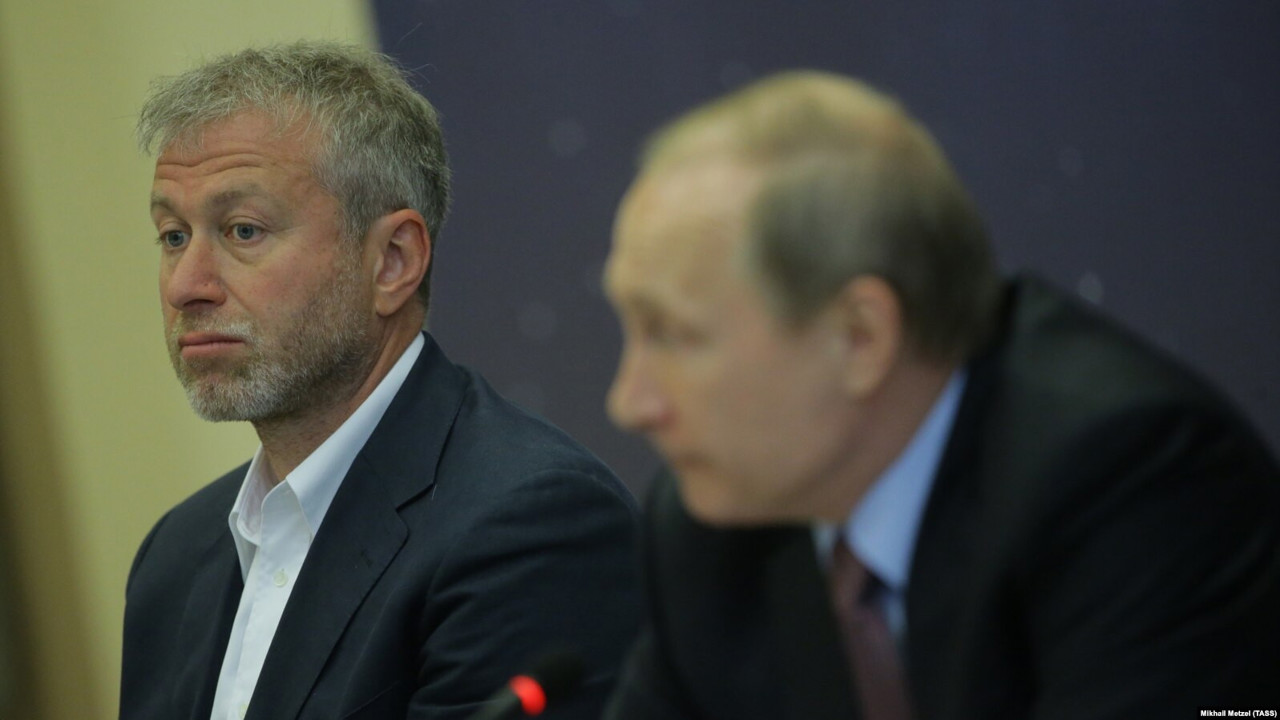
According to him, Abramovich personally introduced Shor to Vladimir Putin and assured that “he can be trusted.”
The “A7” platform, which Shor presented to Putin in the fall of 2024, accounts for approximately 12% of the Russian business community's foreign trade.
Cryptocurrencies and cash deliveries
One of the most publicized projects of the platform "A7" is the cryptocurrency A7A5. In 2014, when the industry was still emerging, the Central Bank of Russia declared any operations involving cryptocurrencies illegal. However, in July 2025, Yuri Tsikhantsin, the head of Rosfinmonitoring, officially reported to President Putin that Russia had begun using cryptocurrencies for international settlements.
It is known that cryptocurrencies are being used to pay for hard-to-reach Western goods, specifically by companies like "Rosatom" and "Rosselkhozbank." Additionally, Russian intelligence services use cryptocurrencies to pay their agents abroad.
The platform also offers its own securities, namely bills of exchange. The company markets these bills as both an investment instrument and a means to access currency in various countries around the world.
Theoretically, the process works like this: a bill of exchange is purchased on the "A7" platform from Russia or Kyrgyzstan. Once abroad, the holder of the bill scratches off a protective film, scans a QR code via a Telegram bot, and a courier then delivers the cash. According to information from the A7A5 bot, the money can only be collected in Istanbul (Turkey) and Dubai.
Eurasia and its influence in the Republic of Moldova
Documents obtained by The Washington Post from Ukrainian intelligence services indicate that in 2022, Ilan Shor caught the attention of Russian secret services. Since then, his political activities have been under their control.
In the same year, the authorities of the Republic of Moldova accused Shor of attempting to organize mass unrest; however, he denied any ties to Moscow. By 2024, Shor remained active in Moldovan politics, but he was operating from Russia.
In 2024, he registered a non-profit organization called Eurasia and became its primary sponsor. Over the past two years, according to accounting reports, this organization has spent 24 billion rubles (approximately 300 million dollars) on initiatives such as launching a media school for young bloggers from the post-Soviet space, distributing grants to activists, and organizing documentary trips to Moscow for young people from former Soviet republics.
Shor stated that the fund is necessary to "preserve traditional values" and to counter the "attacks of the West," which he claims are trying to impose "foreign ideologies on many generations."
However, evidence from several journalistic investigations, along with materials from the police of the Republic of Moldova, suggests that the organization has primarily been involved in buying votes during the presidential and parliamentary elections in the Republic of Moldova, as well as in the referendum on accession to the EU.
The source of Shor's financial empire
"Diamond-Estate" is a crucial fund that finances not only the Evrazia organization but also Shor's cryptocurrency projects.
In 2025, over a trillion rubles passed through this company's accounts. By the end of 2025, "Diamond-Estate" reported having 121 billion rubles in long-term loans and 36 billion in short-term loans. This means that these are debts the company must repay within the next year, which it refers to as its "creditors" in its financial report.
Among the companies that contribute funds to Shor's "piggy bank," two are directly linked to Roman Abramovich. Notably, over seven billion rubles flowed into the company from the Kacikanar Ore Mining and Processing Plant, a metallurgical enterprise within the “Evraz” group. Abramovich is the largest shareholder of this group.
Additionally, at least 65 billion rubles came from a lesser-known company called “Business Broker Finance.” This company has been in existence since 2008 and, until recently, had reported zero assets and had not engaged in any activities.
“Today it is, tomorrow it is not.”
A banker interviewed by Novaya Gazeta Europa claims that Shor’s wealth is “relative.”
“I had four banks in Russia – I was a rich man. Then they took everything from me. Shor has ‘A7’ today, but tomorrow the platform could be seized, leaving him with nothing. How much he has stashed away, how many houses, yachts, and so on – I don’t know.”
“In essence, Shor is now doing exactly what the banks were doing in the Laundromat scheme (the international scheme through which over 20 billion dollars were taken out of Russia). Only now, he provides this service directly for the Russian secret services,” the banker explained.
When asked why Shor would accept such significant risks without any guarantee for himself, the banker offered a philosophical explanation:
“In Russia, he was persona non grata, but now he has become persona number one. We are talking about a double-edged sword. After all, he not only helps Russia; he also trades in foreign goods and raw materials. Essentially, Western companies need him just as much as the Russian state does. And what will happen after the war is over? Maybe he will develop new services that Europeans will need. Today it is like this; tomorrow it will be different,” the banker concluded.