Montenegro leads as Moldova opens first EU negotiation cluster
The European Union enlargement process faces persistent institutional reservations within member states, driven by concerns over structural reforms, budgetary resources, and internal stability.
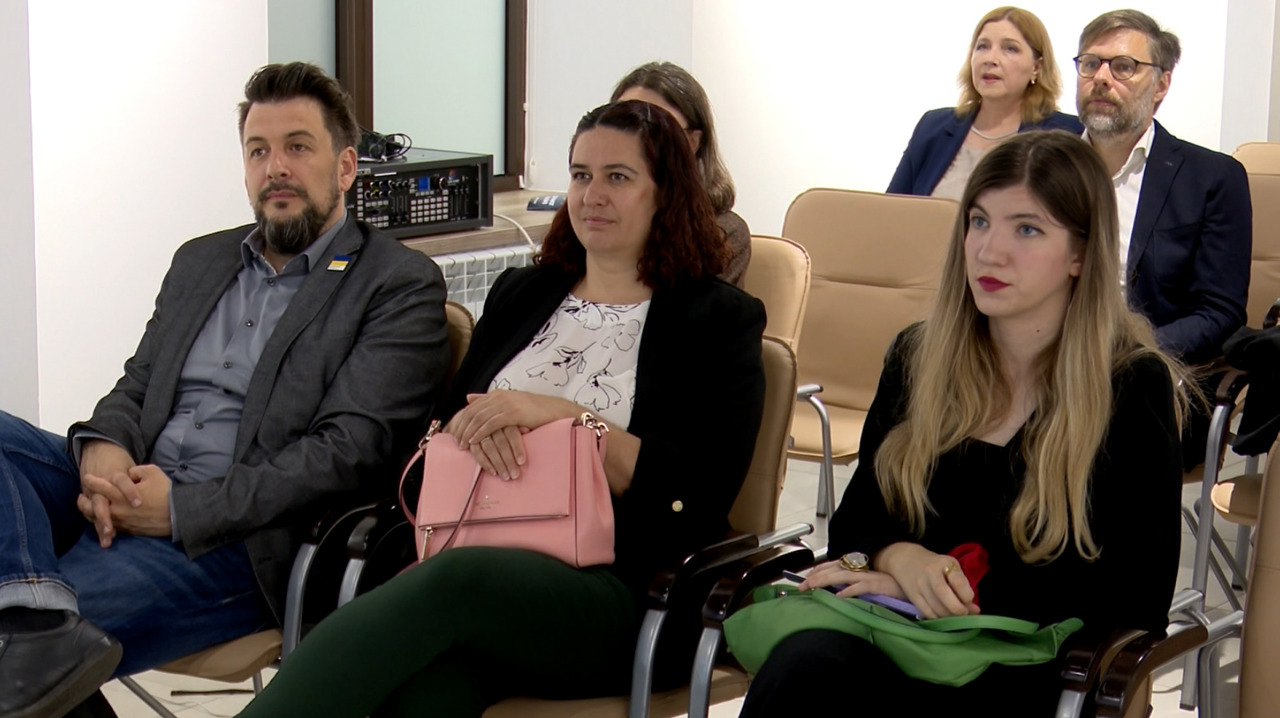
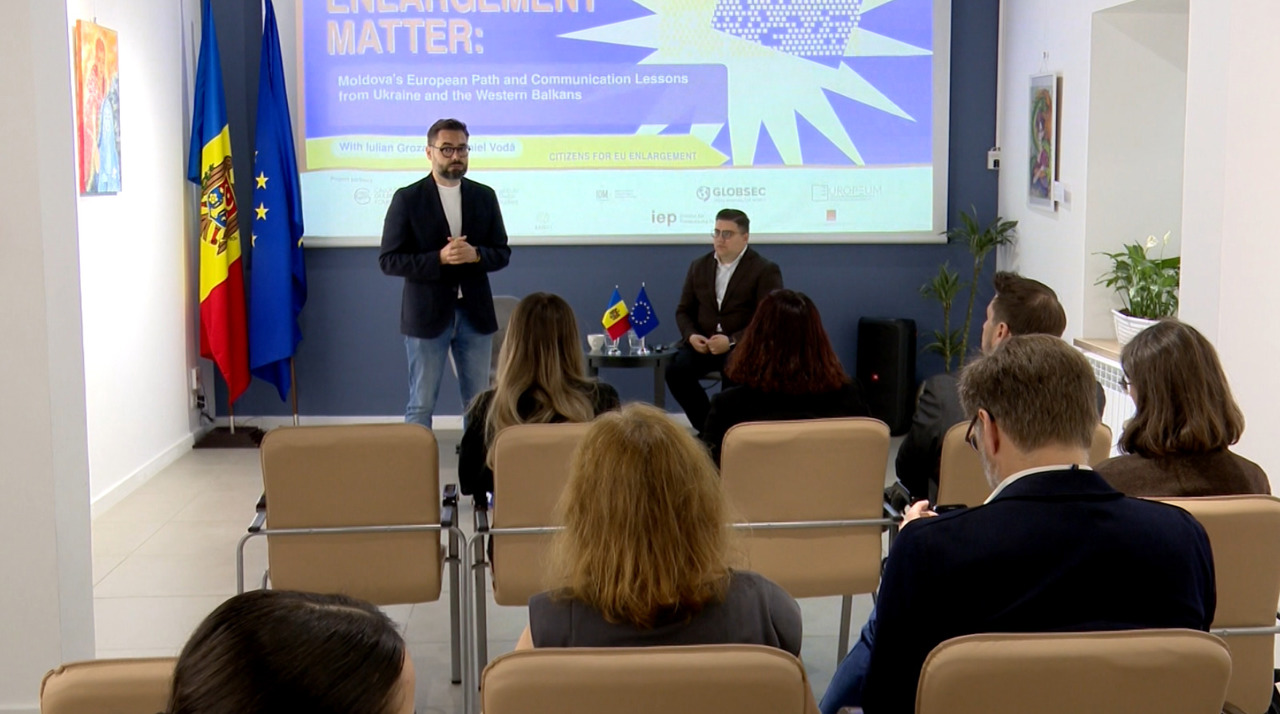
To overcome these barriers, candidate nations including Moldova, Ukraine, and the Western Balkan states must look beyond policy implementation to counter enlargement fatigue. Representatives from 11 regional non-governmental organizations gathered in Chisinau to address these geopolitical hurdles.
Strategic public diplomacy
Civil society experts emphasize that while Moldova’s EU accession before 2030 remains achievable, the trajectory demands accelerated structural alignment and external diplomatic engagement.
"We will likely encounter a scenario where candidate states achieve technical readiness, yet certain EU members remain unprepared," stated Sebastian Schaffer, Director of the Institute for the Danube Region and Central Europe. He noted that addressing member-state skepticism represents a critical challenge for the upcoming integration phase.
The strategic objective centers on securing public and institutional endorsement across EU capitals for the accession paths of aspiring member states.
Concrete reform communication
"Beyond institutional alignment, candidate states face a rigorous communication challenge," noted Iulian Groza, Executive Director of the Institute for European Policies and Reforms (IPRE). He emphasized that demonstrating reform viability to external decision-makers is as critical as domestic implementation.
Daniel Voda, an associate expert at IPRE, reinforced this approach, stating that transparency and active communication of local successes are essential to demonstrating how candidate countries will add value to the European project.
Regional benchmarks and progress
Montenegro’s extended accession framework offers a clear benchmark for newer candidates, illustrating that European integration requires sustained legislative stamina.
"Montenegro remains a frontrunner in the accession process, having reached the midpoint of provisionally closing all negotiating chapters," said Sara Cabarkapa, representing the Centre for Civic Education. She highlighted the recent closure of two additional chapters as a positive signal for the region.
Following their 2022 candidate status designation, both Ukraine and Moldova have advanced technically, highlighted by the opening of Moldova’s first negotiation cluster, focusing on the rule of law and democratic institutions, on June 15, 2026. The subsequent internal market cluster remains under preparation for future evaluation.
Translation by Iurie Tataru