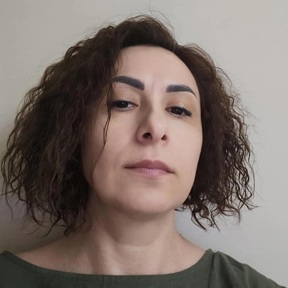
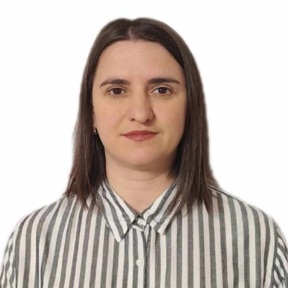
From Chisinau to Beijing: Ana Jalba-Qin’s 27-year cultural odyssey
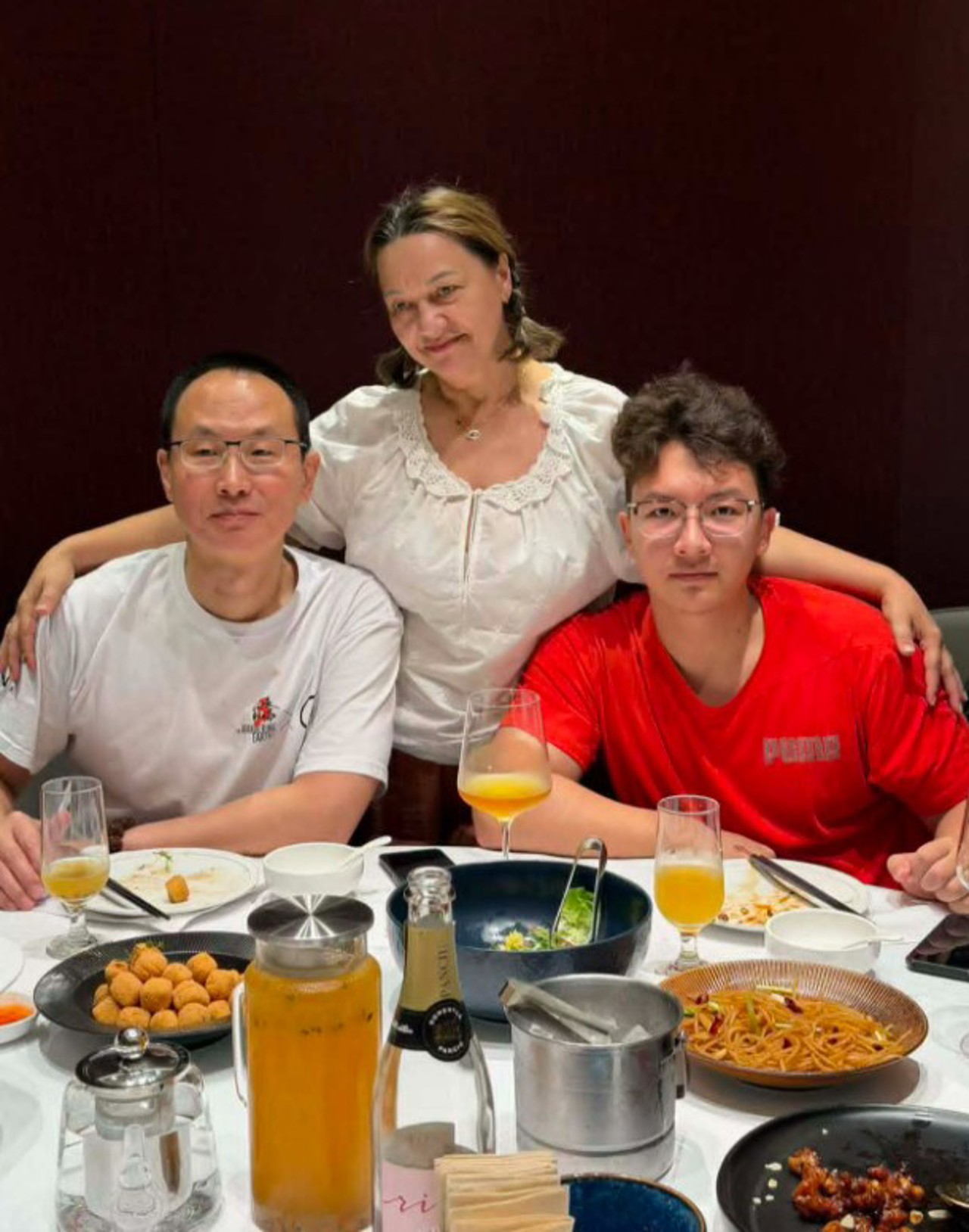
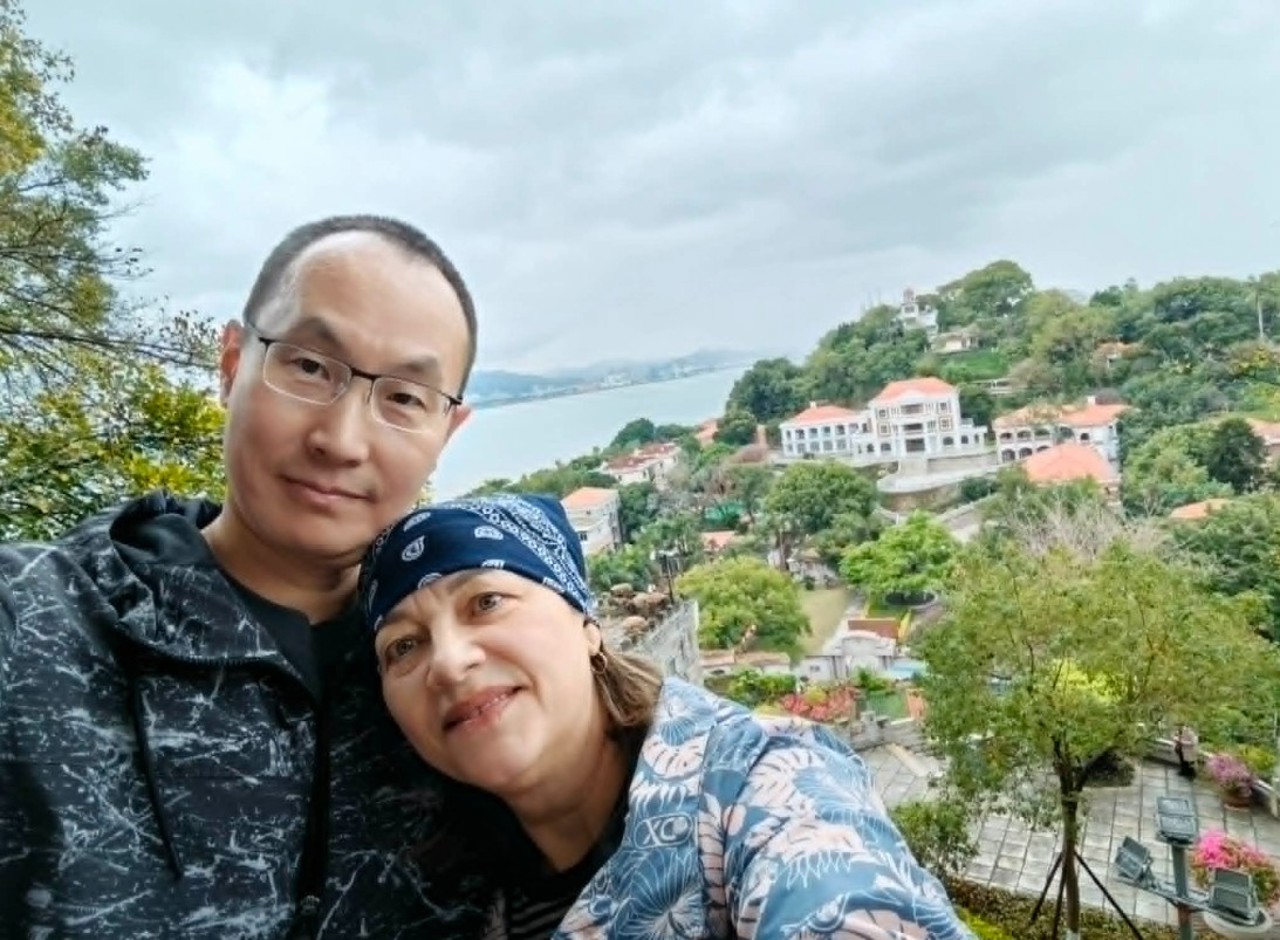
Ana Jalba-Qin has divided her life and identity between two contrasting worlds for the past 27 years. Her journey spans from the majesty of the Great Wall of China to her ancestral family home in Razeni, located in Moldova's Ialoveni district. Today, that family property belongs to her son, Yan Yan Qin, whom she affectionately calls her own Moldovan.
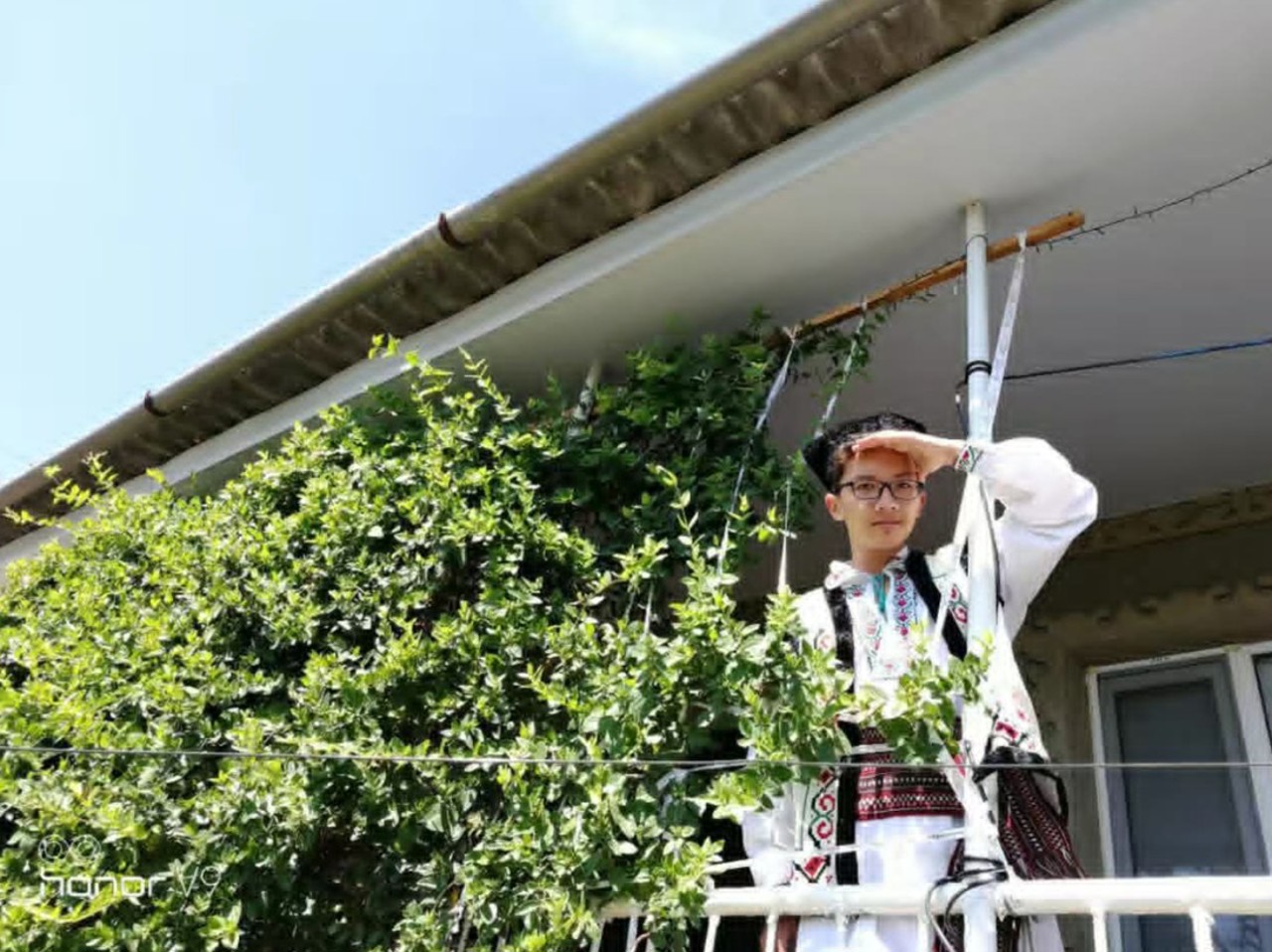
Now 60 years old, Jalba-Qin finds emotional comfort and connection through traditional baking. Operating thousands of kilometers away from her birthplace, she uses her culinary skills to preserve her cultural heritage. Her background includes formal education in both music conduction and medical services.
Cultural diplomacy through gastronomy
Her traditional Moldovan pastries, baked according to authentic regional recipes, are instantly recognized by compatriots living in China. These traditional culinary items have become essential features at Moldovan diaspora gatherings in Beijing. They also serve as a cultural staple during national elections organized at the Moldovan diplomatic mission.
The Moldovan diaspora in China remains small, numbering approximately 200 citizens nationwide, with only 25 residing in the capital. Despite their limited numbers, community members remain highly cohesive and supportive of one another. Before relocating to Asia, Jalba-Qin worked at the prominent State Chancellery Hospital in Chisinau.
An unexpected diplomatic connection
Her life changed radically at the age of 20 when she fell in love, shifting her career focus entirely from music to medicine. While working at the hospital, an official attache from the Chinese Embassy in Moldova arrived as a patient. At the time, the diplomat was actively seeking native speakers to practice his language skills.
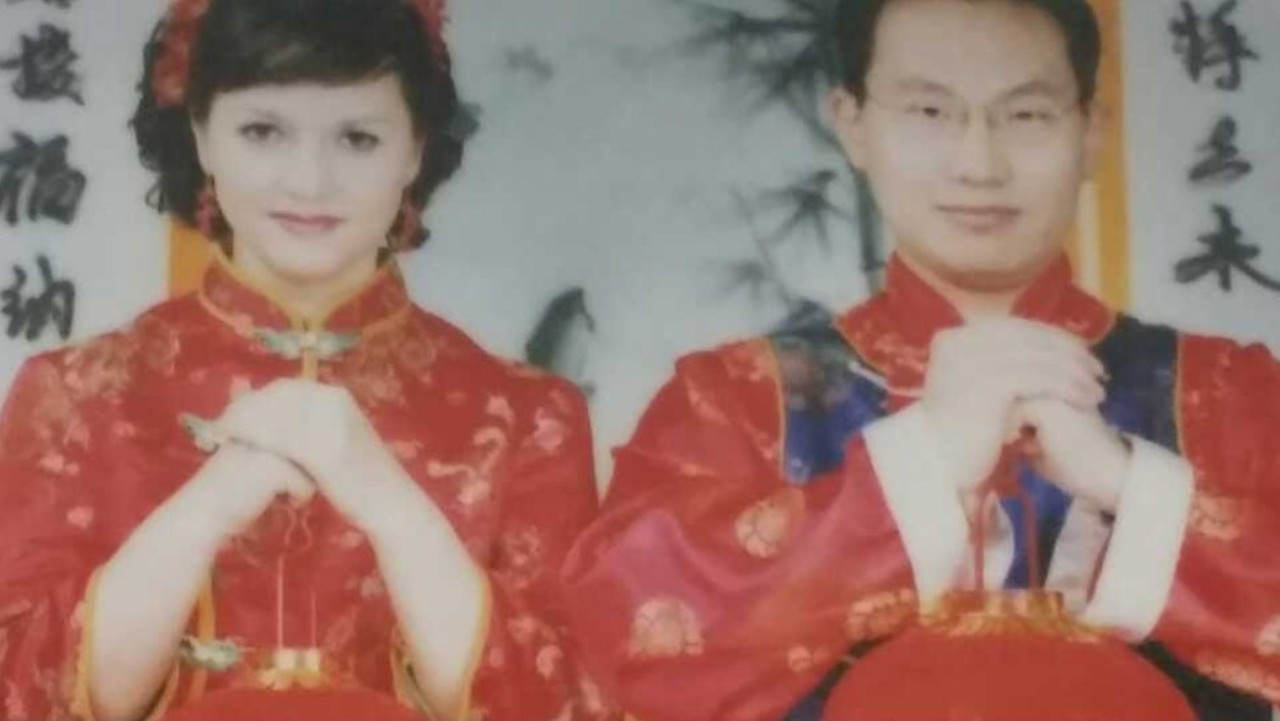
The diplomat had previously studied the Romanian language at the Beijing Foreign Studies University. He spoke rudimentary Romanian at the time and constantly relied on a bilingual dictionary during their early encounters. The relationship developed over time, eventually leading to their marriage and her relocation to China.
From isolation to Chinese cinema
In November 1999, Jalba-Qin arrived in Beijing to begin her married life. The initial adaptation period proved difficult due to the visible scarcity of foreign residents in the capital during that era. To assist with her integration, her husband helped her secure employment at a wholesale market frequented by international traders.
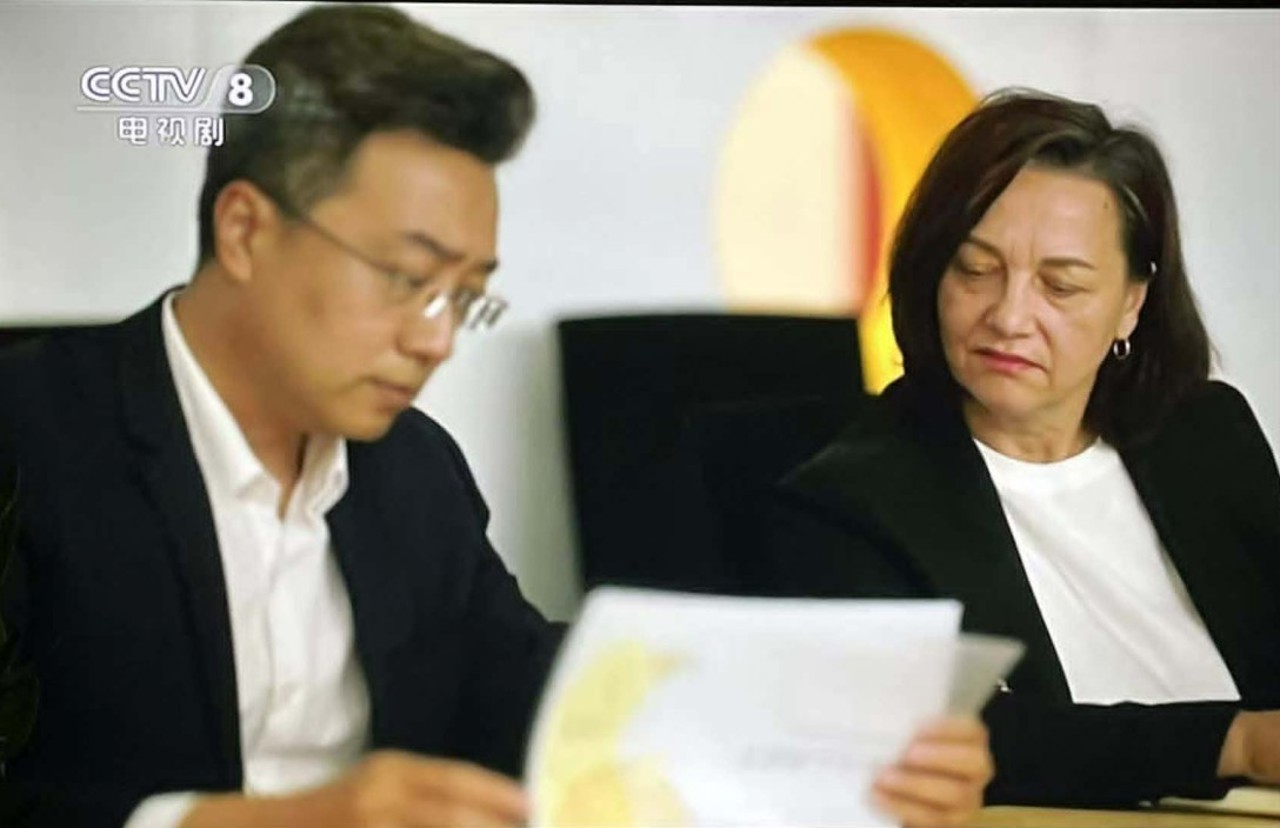
This commercial role allowed her to establish vital connections with Eastern European expatriates, opening doors to new opportunities. In recent years, Jalba-Qin transitioned into the entertainment industry, appearing in numerous Chinese films. To date, she has secured background and secondary roles in approximately 50 cinematic productions and commercial advertisements.
Preserving identity and looking westward
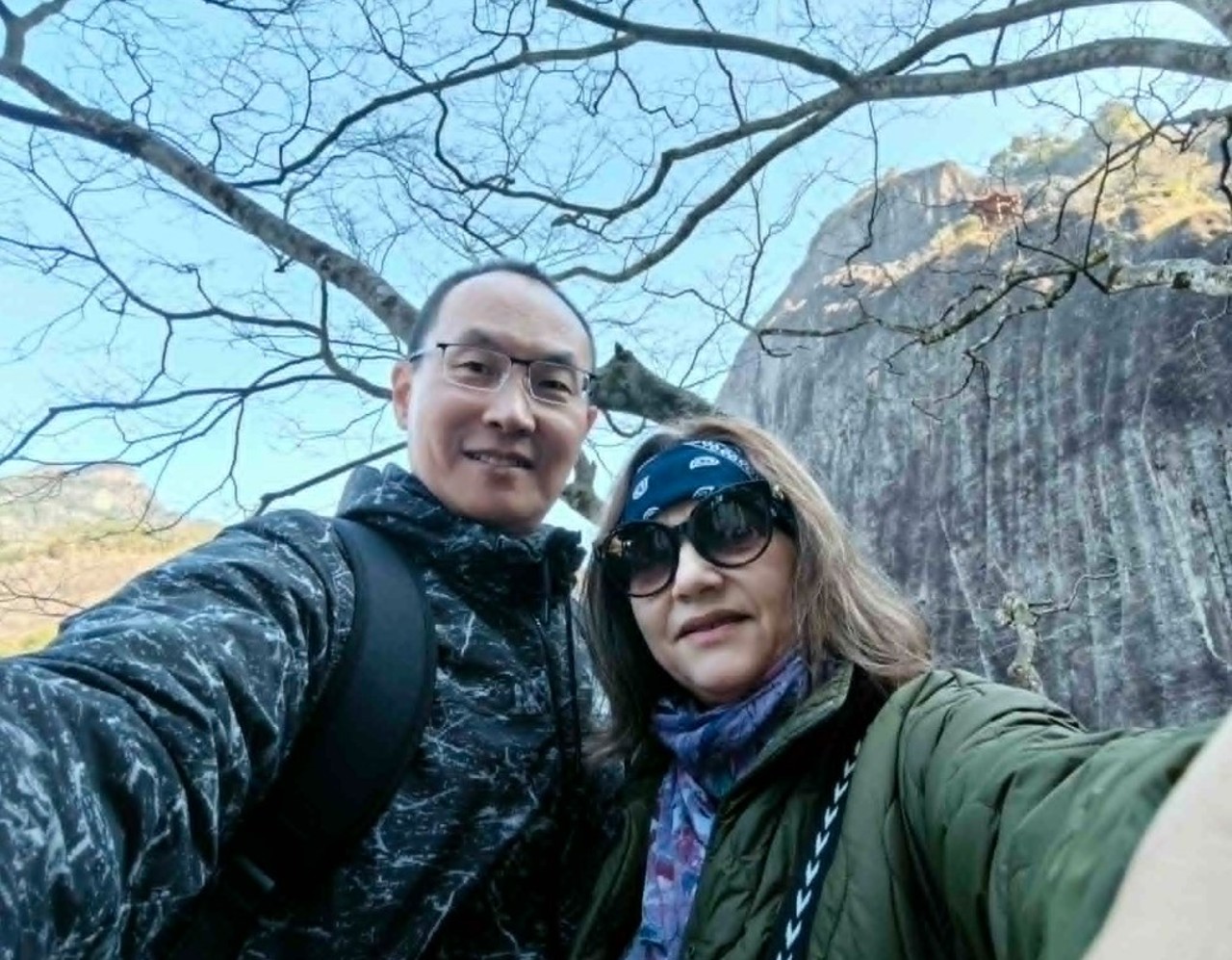
Despite her deep integration into Chinese society, she returns to her home village of Razeni every summer. Inside their Beijing home, the family maintains a strict linguistic rule to speak only Romanian. This practice ensures that her son retains a flawless command of his mother tongue and stays connected to his origins.
Jalba-Qin closely follows political developments in her homeland, expressing immense joy over Moldova's recent integration milestones. The official launch of Moldova's EU accession negotiations on June 15 marked a profoundly emotional moment for her. She views the European path as the fulfillment of a long-standing collective struggle.
Reflecting on nearly three decades in Asia, she remains entirely content with her life choice. She emphasizes that her husband values her precisely because of her distinct national identity. While she enjoys her fulfillment in Beijing, she firmly states she will always remain a Moldovan at heart.
Translation by Iurie Tataru