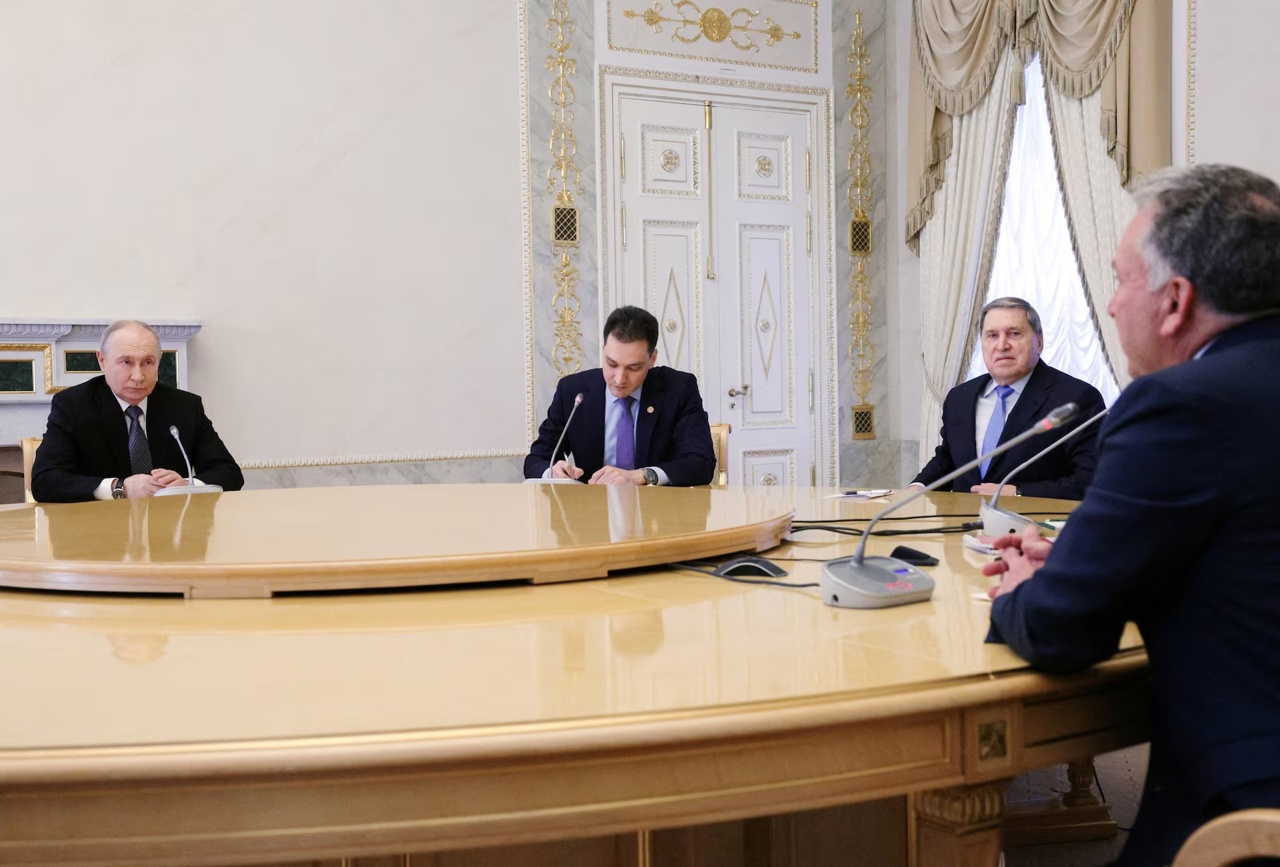
Moldova and IBRD sign grant agreement to build new Termoelectrica power plant
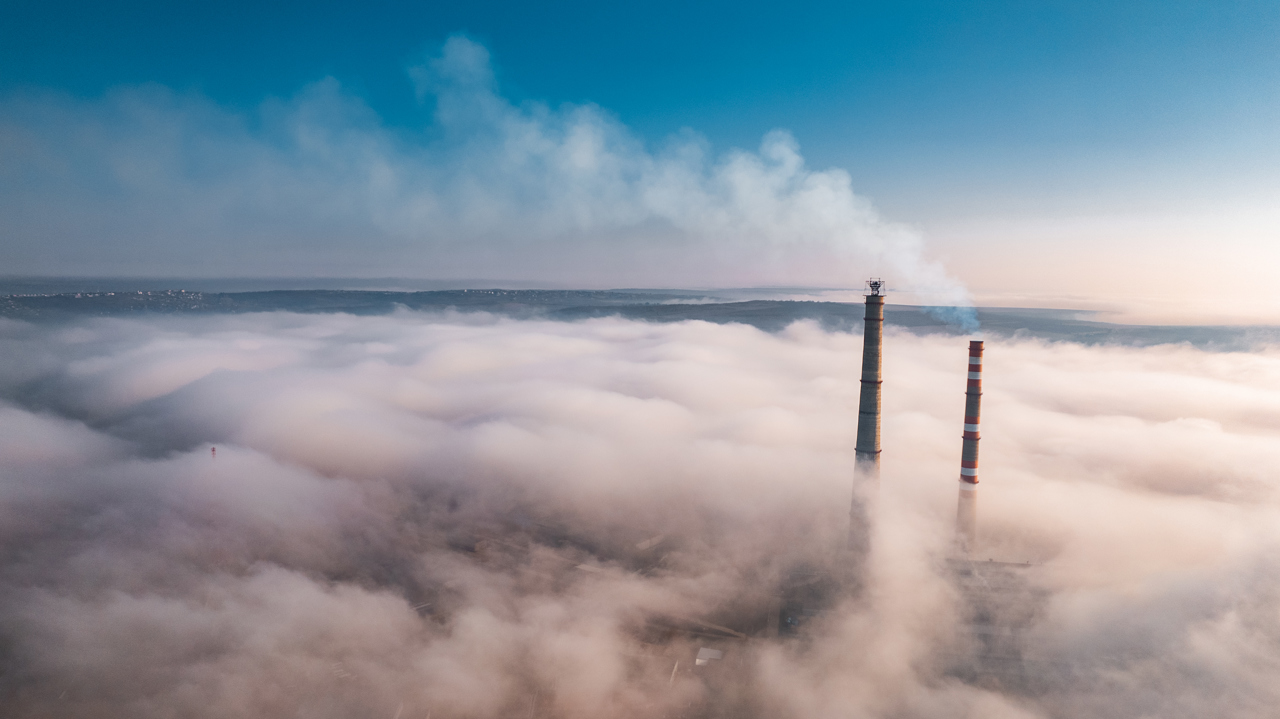
A new cogeneration plant may be constructed at S.A. "Termoelectrica" in Chisinau. The Ministry of Energy has signed a grant agreement of up to $1.7 million with the International Bank for Reconstruction and Development (IBRD) to prepare technical documentation, conduct specialized studies, and carry out environmental and social assessments.
The financing for this initiative is provided through the Grant Facility for Project Preparation (GFPP) and will cover the preparatory activities for an investment included in the "Resilient, Efficient, Secure Combined Heat and Power Program (RESHAPE-Moldova)."
The actual construction of the plant will be financed separately by the World Bank, based on the outcomes of the studies conducted.
This plant will be a combined-cycle cogeneration unit with an electrical capacity of approximately 250 megawatts and a thermal capacity of approximately 180 megawatts. Cogeneration allows for the simultaneous production of electricity and heat, using less fuel than if they were produced separately.
The project is based on a feasibility study developed under the second Project for Improving the Efficiency of the Centralized Thermal Energy Supply System (PIESACET-2), also financed by the World Bank.
The implementation will be overseen by the Consolidated Unit for the Implementation and Monitoring of Energy Projects (UCIPE), in collaboration with Termoelectrica. The funds allocated can be utilized until the end of 2027.
After the agreement is signed, it must be ratified by Parliament to take effect.
The Ministry of Energy asserts that signing this agreement marks a significant step in preparing for one of the largest investments in the energy sector, aimed at modernizing the district heating system in the capital and enhancing energy security.
Historically, the Republic of Moldova has met most of its electricity needs from the Cuciurgan power plant (MGRES), located in the Transnistrian region and supplied with Russian gas. Its contribution has ranged from 70% to 90% in previous years. However, on January 1, 2025, following the expiration of the Russian gas transit agreement through Ukraine, Moldova ceased receiving energy from Cuciurgan, relying instead on domestic sources and imports from Romania.
The domestic energy system remains fragile, with over 70% of network equipment exceeding its standard operational lifespan. Energy imports depend significantly on a single high-capacity corridor, the 400 kV Isaccea-Vulcănești line; damage to this transmission line can destabilize the supply to the entire country, as demonstrated by the crisis caused by Russian bombings on March 23, 2026.
To mitigate this vulnerability, Moldova is developing several interconnections with Romania. The Strașeni-Gutinaș line, financed by a US grant, is expected to be completed between 2030 and 2032, while the Balți-Suceava line is projected to be finished in 2027.
In parallel, the World Bank is supporting three energy projects in Moldova with a total value of approximately $224.5 million. This includes the Vulcănești-Chișinău line and a project for cogeneration plants at Termoelectrica. The new plant targeted by the grant will add to this portfolio.
Termoelectrica supplies district heating to Chișinău and also generates electricity. During the crisis in January 2025, the CET-1 and CET-2 units were activated to help meet domestic demand.